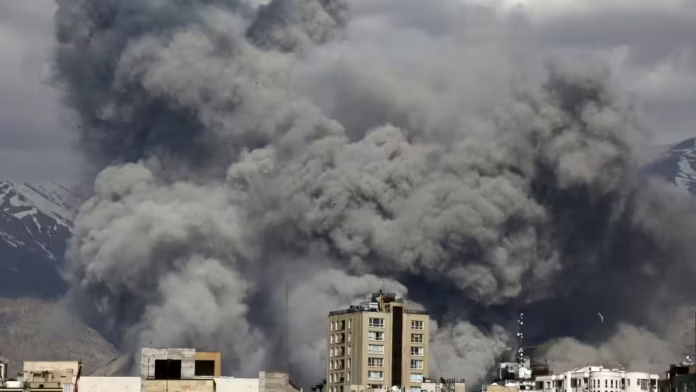
Iran Strikes Us Bases — Iran has struck at least 20 American military facilities spread across eight countries in the Middle East since the end of February, destroying or damaging dozens of aircraft and inflicting hundreds of millions of dollars in damage to some of the United States military’s most sophisticated air defence systems.
Satellite imagery and video analysis confirm the scale of the destruction, with damaged installations identified in Saudi Arabia, the United Arab Emirates, Qatar, Kuwait, Iraq, Jordan, Bahrain and Oman. Some analysts place the total number of bases hit as high as 28. The attacks have targeted air defence batteries, surveillance aircraft, refuelling planes and radar installations — a systematic campaign against the infrastructure underpinning American power projection across the region.
Among the most significant losses are three Terminal High Altitude Area Defense (THAAD) batteries, damaged at Al Ruwais and Al Sader airbases in the UAE and at Muwaffaq Salti Airbase in Jordan. The United States operates only eight THAAD batteries worldwide. Each costs approximately $1 billion to manufacture and requires a crew of around 100 troops to operate, while individual THAAD interceptor rounds carry a price tag of roughly $12.7 million each. The destruction of even a fraction of that inventory represents a strategically significant blow.
Recommended Reading
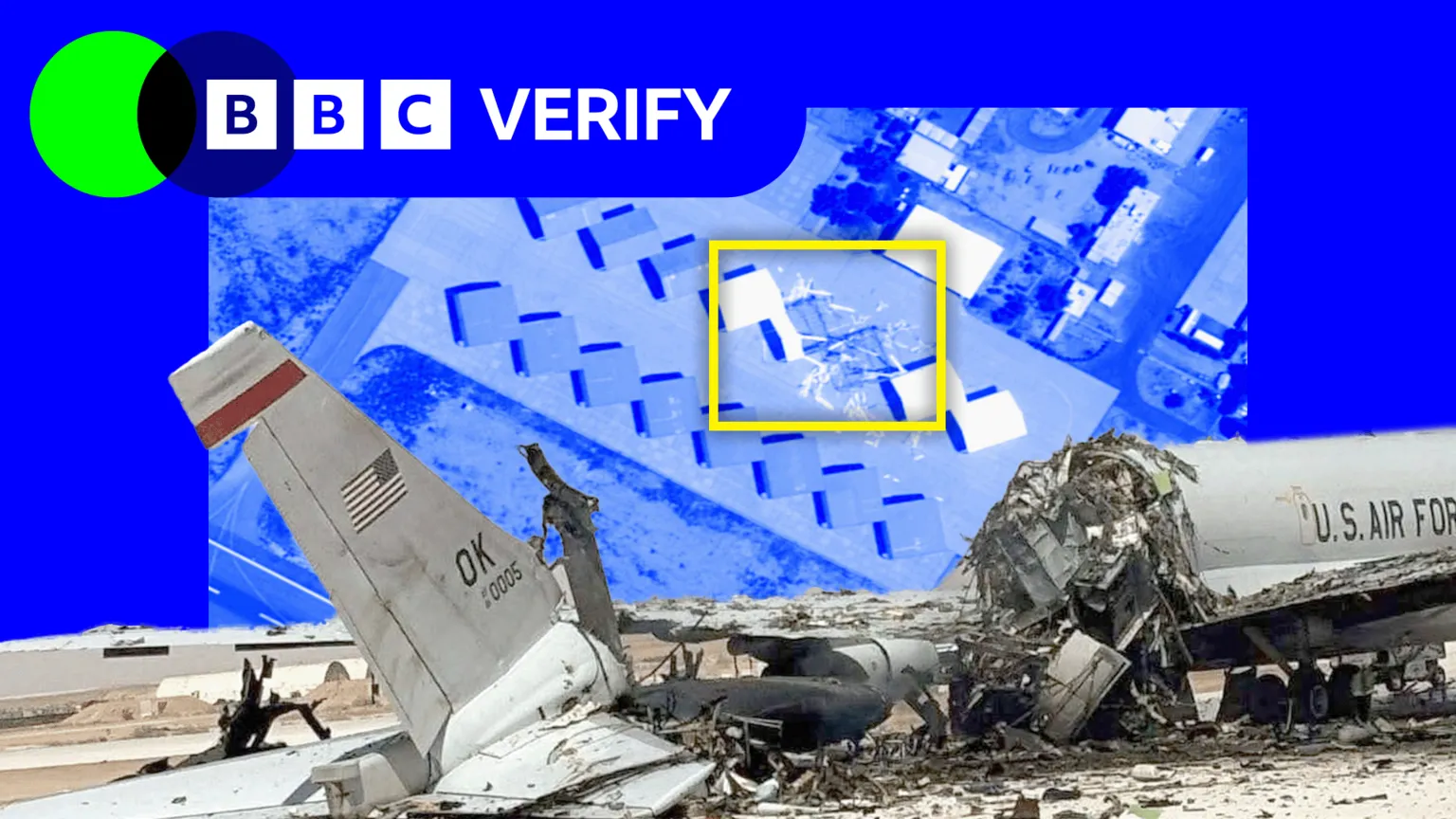
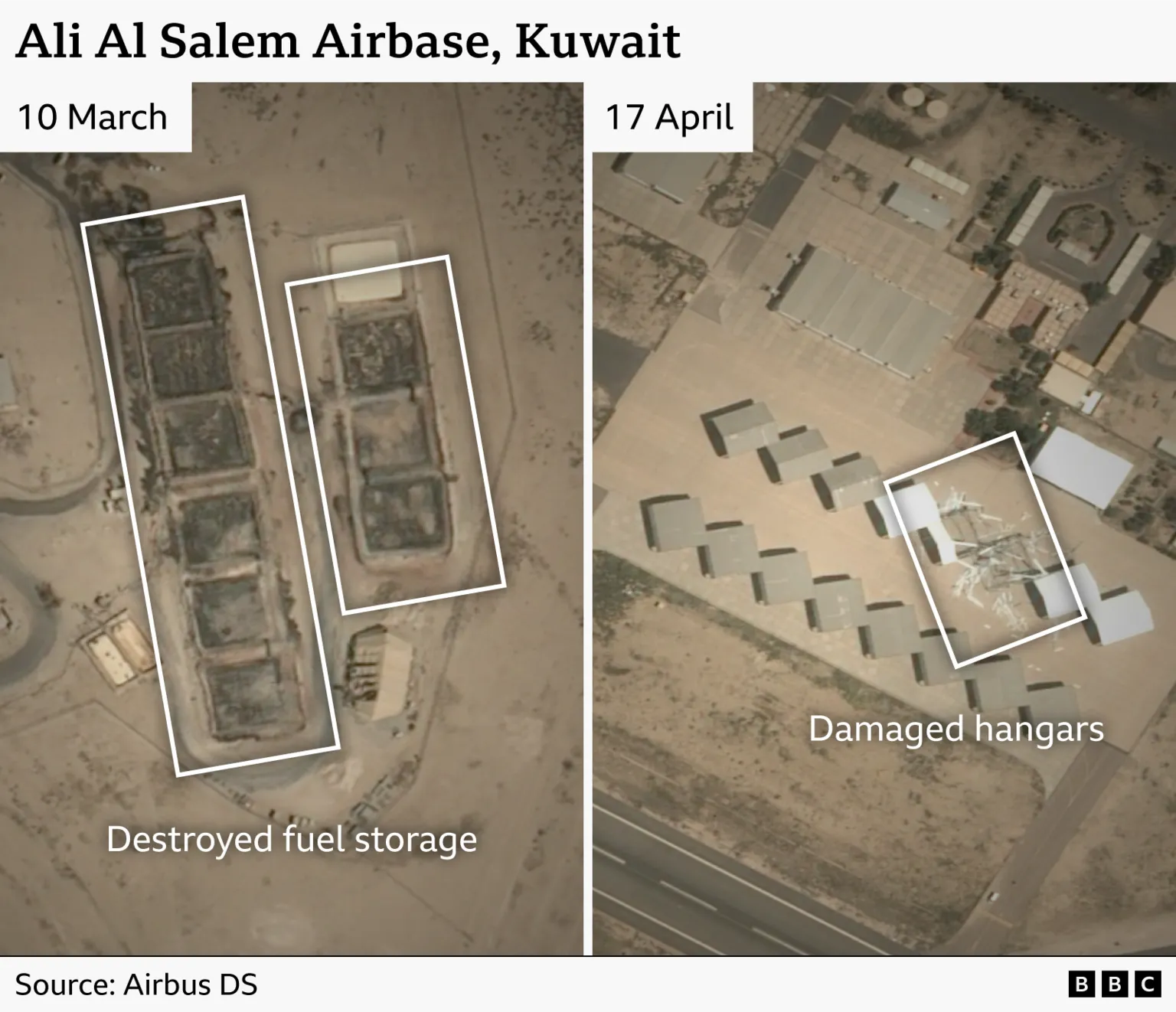
An E-3 Sentry surveillance aircraft was also damaged at Prince Sultan Airbase in Saudi Arabia. Replacing a single E-3 Sentry could cost up to $700 million. In Kuwait, Iranian strikes targeted both Ali Al Salem Airbase and Camp Arifjan. Across all theatres, at least 42 aircraft have been destroyed or damaged since February, including F-15 and F-35 fighter jets, 24 MQ-9 Reaper drones and an A-10 attack plane.
Mojtaba Khamenei, Iran’s supreme leader, declared on Tuesday that the Middle East was no longer a ‘safe place’ for American military bases — a statement that reflects both the ambition and the evolving sophistication of Iran’s military campaign. Iranian tactics have shifted markedly over the course of the conflict, moving away from sprawling, indiscriminate missile barrages toward more precise, directed strikes designed to degrade specific high-value assets.
The Islamic Revolutionary Guard Corps (IRGC) announced on Thursday that it had targeted an American base in the region in direct retaliation for fresh US strikes on southern Iran — an exchange that has placed renewed pressure on a ceasefire agreement already showing signs of collapse.
The financial toll on Washington is staggering. A Pentagon estimate from May placed the total cost of Operation Epic Fury at $29 billion. The US military says it has struck more than 13,000 targets inside Iran since the operation began, a tempo of strikes that has generated enormous expenditure in munitions, logistics and personnel. The damage inflicted on American assets adds a further dimension to those costs that is only now becoming fully visible.
The United States has also moved to restrict the flow of open-source intelligence that might illuminate the full extent of the damage. Washington requested that Planet, one of the world’s leading commercial satellite imagery providers, impose an indefinite restriction on the release of new imagery covering Iran and most of the broader Middle East — a measure that underscores the sensitivity surrounding the conflict’s true military balance sheet.
Iran Strikes Us Bases: Regional Implications
Analysts warn that the erosion of American air defence capacity in the region carries consequences that extend well beyond the immediate conflict. With only eight THAAD batteries in the entire US arsenal, the loss or degradation of even two or three represents a meaningful reduction in the country’s ability to protect allied territory and its own forces from ballistic missile attack — not just in the Middle East, but globally.
The conflict has unfolded against a backdrop of deep regional anxiety. American bases in the Gulf states have long served as the cornerstone of Washington’s deterrence posture in the Middle East, hosting tens of thousands of troops and providing the logistical backbone for air operations across the region. Iran’s demonstrated ability to strike those facilities — repeatedly, and with increasing precision — challenges assumptions about the invulnerability of those installations that have underpinned US strategy for decades.
Whether the latest IRGC strike and the US response that preceded it will tip the conflict back into full-scale escalation or whether both sides will step back from the brink remains uncertain. What is no longer in doubt is the scale of the damage already done.