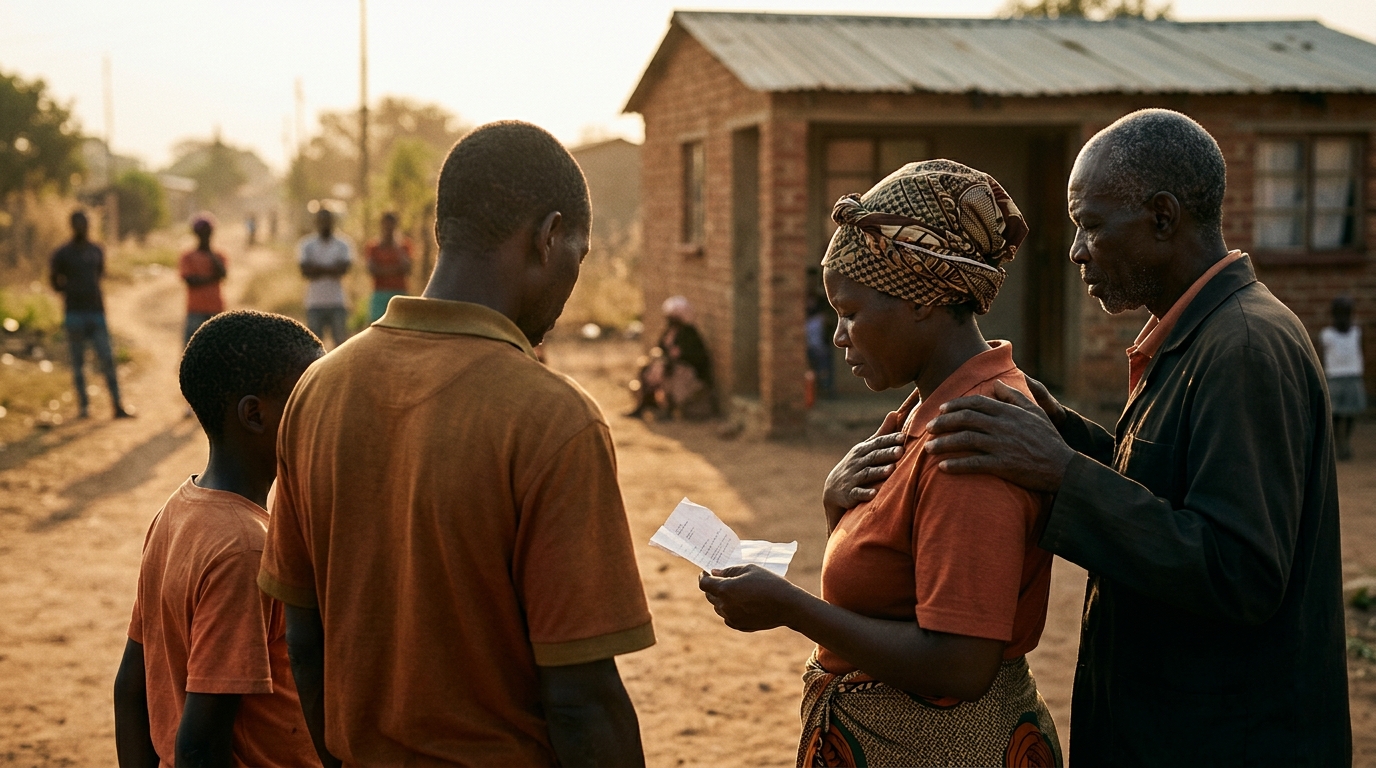
Harare — Zimbabwe has officially confirmed that 15 of its citizens have been killed fighting for Russia in Ukraine, with a further 66 nationals believed to be alive but stranded on active frontlines, the country’s government announced Wednesday. The disclosure represents the first formal acknowledgement by Harare that dozens of its people have been drawn into one of the world’s deadliest conflicts through an orchestrated campaign of deception.
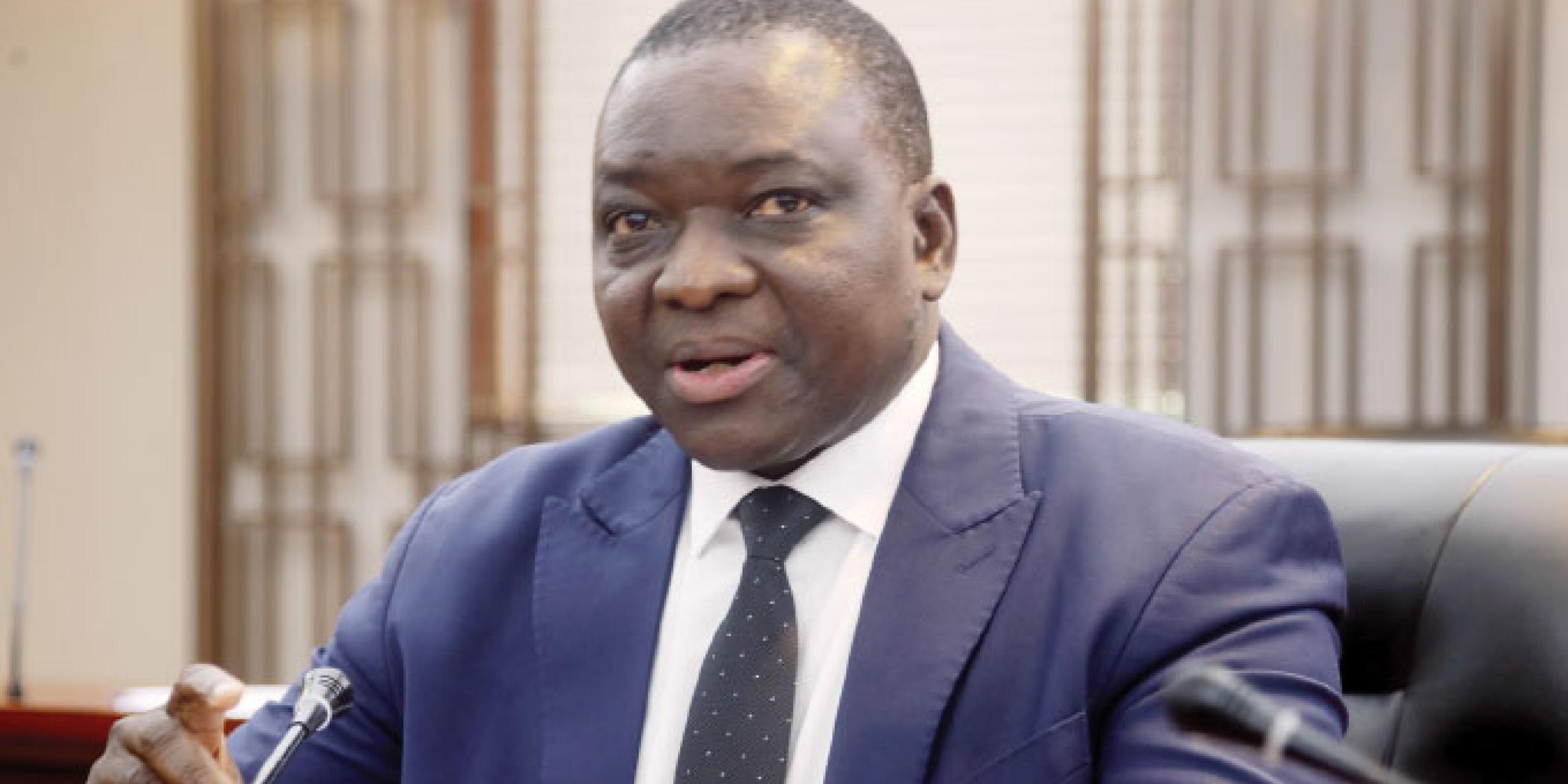
Information Minister Zhemu Soda described the recruitment operation as a calculated scheme run by shadowy agencies that exploited social media platforms to target unemployed young Zimbabweans with promises of lucrative overseas work. Recruits were offered positions in construction, security, and logistics — only to have their passports confiscated upon arrival in Russia and be coerced into military service with little to no training. Many families depleted their limited savings paying recruitment fees before learning the true fate of their relatives.
"These individuals were lured by fraudulent employment agencies," Soda said, urging Zimbabweans to verify all overseas job opportunities through official government channels. Once a recruit was injured, captured, or killed, recruiters vanished from digital platforms entirely, leaving families without financial support, information, or recourse.
Zimbabwe’s government is now engaged in diplomatic talks with Russian authorities to repatriate the bodies of those killed and secure the safe return of survivors. The negotiations are complicated by the active combat environment in which many of the remaining nationals are believed to be operating. Zimbabwe maintains close relations with Moscow, a factor officials hope will facilitate the process.
The crisis in Zimbabwe is far from isolated. A Ukrainian intelligence assessment estimated that more than 1,700 individuals from at least 36 African nations have been fraudulently recruited to fight for Russia since the conflict escalated in 2022 — a war that has claimed close to two million lives, according to a January assessment by the Centre for Strategic and International Studies.
Kenya has emerged as one of the most severely affected countries. An intelligence report identified as many as 1,000 Kenyan citizens recruited under false pretences before being deployed to the front lines. Approximately 252 Kenyans have been identified as illegally conscripted into Russian military service, with dozens more reported injured, missing, or still fighting. At least one Kenyan has been confirmed dead. Kenyan Cabinet Secretary for Foreign Affairs Musalia Mudavadi travelled to Moscow to place the issue directly on the bilateral agenda, ultimately securing an agreement with Russian authorities to halt the deployment of Kenyan nationals.
Ghana has reported some of the starkest figures on the continent. An estimated 272 Ghanaian citizens have been lured into the conflict since 2022, and 55 of them have been confirmed killed — a death toll that has prompted urgent calls for coordinated African diplomatic action.
In South Africa, police questioned 11 men who returned home in February after allegedly being recruited under the pretence of security training. Two South Africans were confirmed killed, and several others were injured or left stranded. Seventeen nationals were ultimately secured and returned home after government intervention. Nigeria has also reported cases of its citizens being trafficked into the conflict zone under similarly deceptive circumstances.
The recruitment model follows a consistent pattern across all affected countries. Operatives target nations experiencing high youth unemployment and economic instability, advertising well-paying jobs through social media channels that are difficult to trace or regulate. Once recruits arrive in Russia, their travel documents are confiscated, eliminating any practical means of escape. Those who survive initial deployment are placed in life-threatening combat situations with minimal preparation.

Human rights advocates have characterised the scheme as a form of human trafficking, noting that the combination of deception, document confiscation, and forced military service meets internationally recognised definitions of exploitation. The targeting of economically vulnerable populations across an entire continent has drawn comparisons to historical patterns of coercive labour recruitment.
The scale of the phenomenon underscores a significant gap in international oversight of private military recruitment networks, particularly those operating across digital platforms with cross-border reach. As African governments scramble to account for their missing citizens and negotiate with Moscow, pressure is mounting for a coordinated multilateral response to what has become a continent-wide crisis.