The World Health Organisation has confirmed more than 20 attacks on Iranian healthcare facilities since March 1, with WHO Director-General Tedros Adhanom Ghebreyesus warning that the strikes have killed at least nine people and caused severe disruption to medical services across the country. The assault on civilian health infrastructure marks a significant and alarming escalation in the conflict.
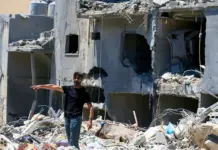
Among the hardest-hit institutions is the Pasteur Institute in Tehran, one of Iran’s most prominent biomedical research centres. Images posted to X by Iranian Ministry of Health spokesperson Hossein Kermanpour showed a building reduced to rubble, with structural damage so severe that the facility was rendered temporarily unable to deliver health services. Iran’s ISNA news agency reported, however, that core operations were not ultimately interrupted, and the institute itself confirmed that vaccine and serum production would continue. No employees were reported harmed in the attack on the Pasteur Institute.
The pattern of strikes extends well beyond a single institution. The Delaram Sina Psychiatric Hospital sustained damage, though no casualties were reported there. The Tofigh Daru pharmaceutical facility was also struck. In Khuzestan province, an explosion near the Imam Ali Hospital forced a full evacuation and the suspension of all services at the site.
Humanitarian organisations have not been spared. The Iranian Red Crescent Society confirmed that one of its warehouses was directly targeted, destroying two relief buses, two-wheeled relief containers and additional emergency vehicles. A member of the Red Crescent was killed in the attacks — as was an infectious diseases health worker, underscoring the human cost borne by frontline medical personnel. The Red Crescent reports that a staggering 307 health, medical and emergency care facilities have been damaged across Iran since the war began.
A separate strike hit a laser and plasma research facility at Shahid Beheshti University in Tehran, according to Iran’s Mehr news agency, suggesting the targeting of academic and scientific infrastructure alongside medical sites.
Legal experts and humanitarian advocates have been swift to condemn the strikes. Healthcare facilities, ambulances and humanitarian warehouses are explicitly protected under the Geneva Conventions, the foundational framework of international humanitarian law established after World War II. International law also broadly prohibits the deliberate targeting of civilian infrastructure. The scale and consistency of the damage documented by the WHO and the Red Crescent has intensified calls for accountability.
The attacks attributed to US-Israeli military operations appear to represent a deliberate widening of the target set. In the early weeks of the conflict, strikes were concentrated on military installations, security apparatus and political sites. The shift toward hospitals, pharmaceutical manufacturers, psychiatric facilities and humanitarian supply chains signals a new and more expansive phase of the campaign.
US President Donald Trump has threatened to bomb Iran back to what he described as the Stone Ages, rhetoric that has drawn international condemnation and heightened fears of further escalation against civilian infrastructure.
The WHO’s verification of more than 20 healthcare attacks in under a month places Iran among the most acutely affected countries for medical facility strikes in any active conflict globally. With vaccine production facilities damaged, psychiatric care disrupted, emergency services evacuated and humanitarian supply lines destroyed, the cumulative impact on Iran’s civilian population is deepening by the day. International pressure for an immediate halt to strikes on protected sites is mounting, though no ceasefire or diplomatic breakthrough has yet emerged.