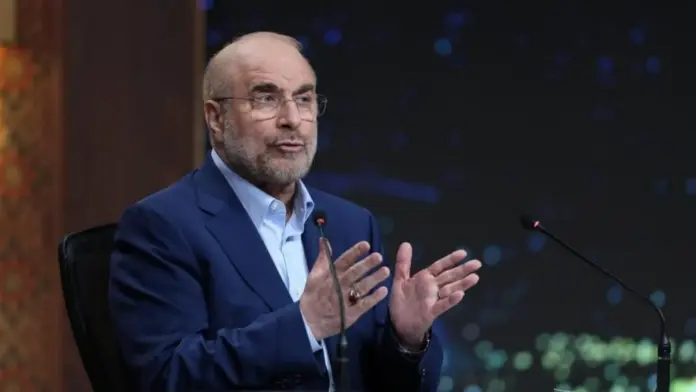
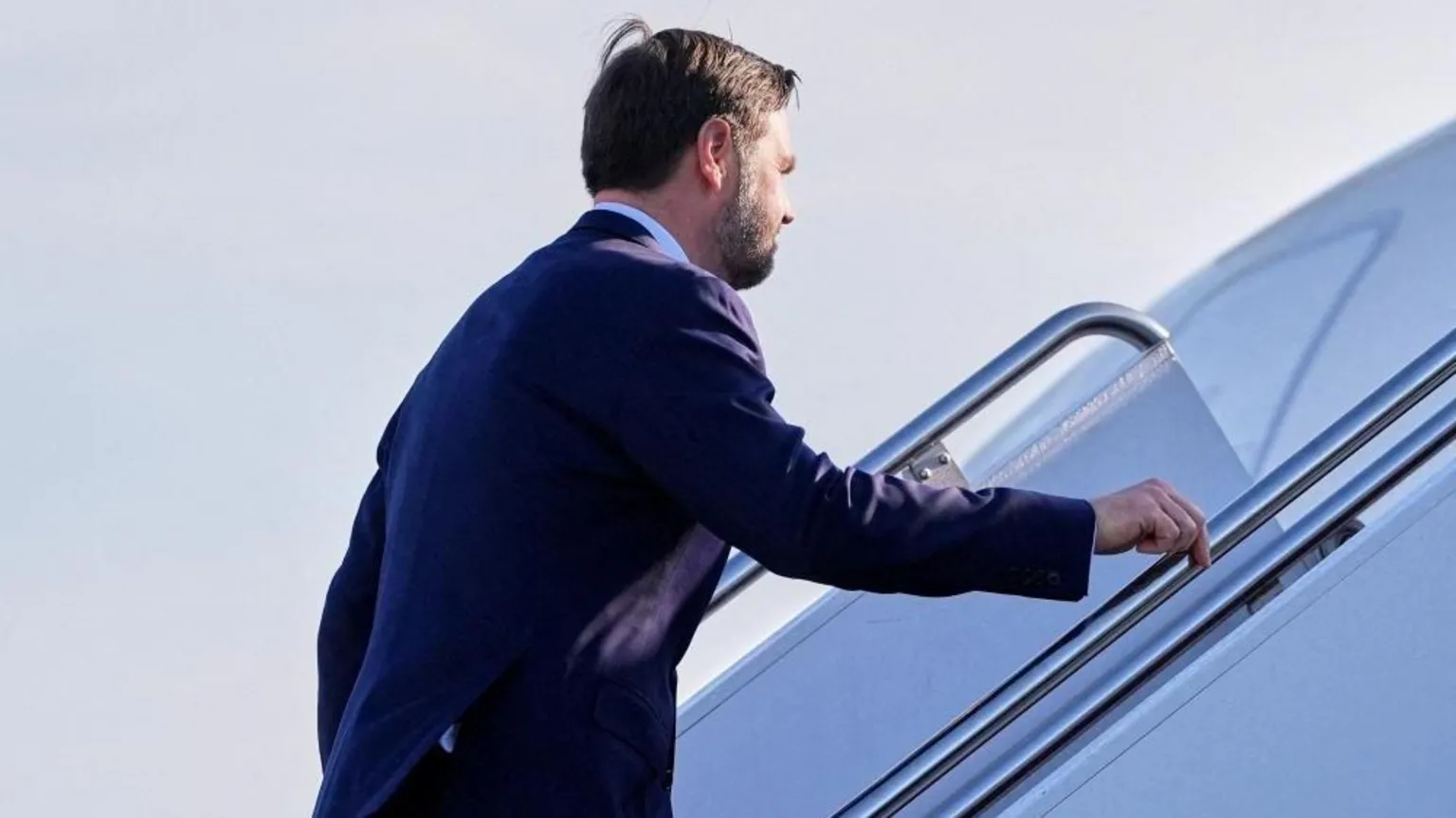
ISLAMABAD — US Vice-President JD Vance and Iranian Parliamentary Speaker Mohammad Bagher Ghalibaf are set to hold face-to-face talks in Islamabad this weekend, a meeting that would represent the most senior direct contact between the two adversarial nations in nearly half a century — since the Islamic Revolution of 1979 upended relations entirely.
The encounter, brokered through Oman, which has long served as a trusted back-channel between Washington and Tehran, follows six weeks of military conflict that President Donald Trump has characterised as achieving "regime change" in Iran. A ceasefire was announced earlier in the week, though its terms remain contested and its durability uncertain.
Tehran’s insistence on elevating the level of engagement to the Vice-President — rather than accepting lower-ranking American envoys — signals how seriously Iran’s new leadership views the stakes. The country is navigating an extraordinary moment of internal crisis: Supreme Leader Ayatollah Ali Khamenei was assassinated in the early hours of the war, and his son, Mojtaba Khamenei, who was himself wounded in the same attack, has since risen to power. The Islamic Revolutionary Guards are widely understood to be the dominant force shaping decisions within Iran’s current leadership structure.
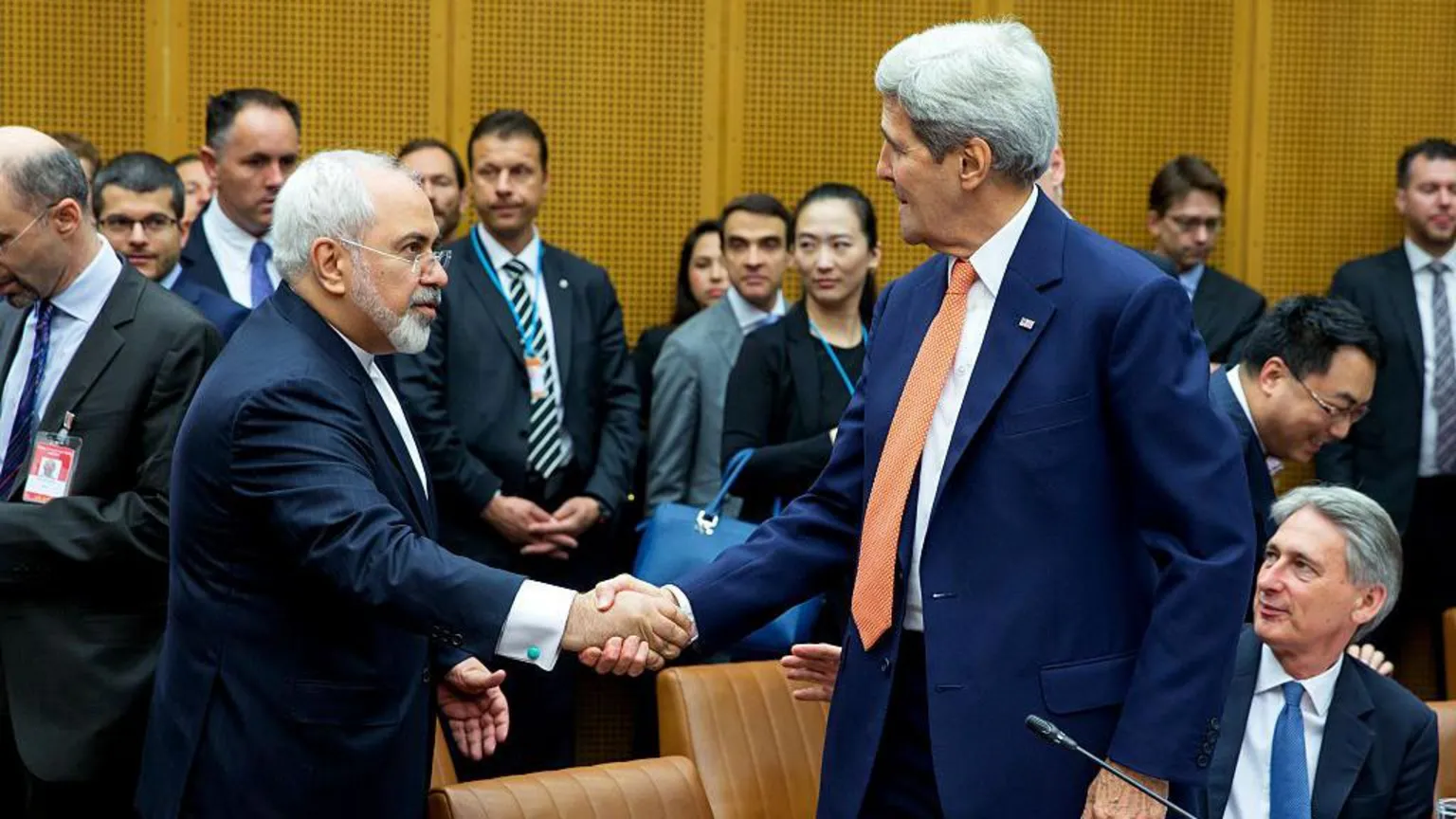
The political landscape inside Iran has been further destabilised by nationwide protests earlier this year, which were suppressed with thousands of casualties. Against that volatile backdrop, the Islamabad meeting carries enormous symbolic and practical weight.
The diplomatic path to this weekend’s encounter has been neither smooth nor linear. Negotiations took place in Geneva in February, involving both direct and indirect exchanges, with Rafael Grossi, the head of the International Atomic Energy Agency, providing technical expertise. Iran offered notable concessions at that stage, including the dilution of its stockpile of highly enriched uranium. Those talks were subsequently disrupted by US-Israeli military action, forcing a reset.
Earlier rounds of engagement had also taken place in June 2025. Throughout this period, Trump’s special envoy Steve Witkoff — a former property developer with no conventional diplomatic background — has been a central American interlocutor, alongside Jared Kushner, Trump’s son-in-law, who played a prominent role in Middle East affairs during the president’s first term, most notably in brokering the Abraham Accords that normalised relations between Israel and several Arab states while largely sidelining the Palestinian question.
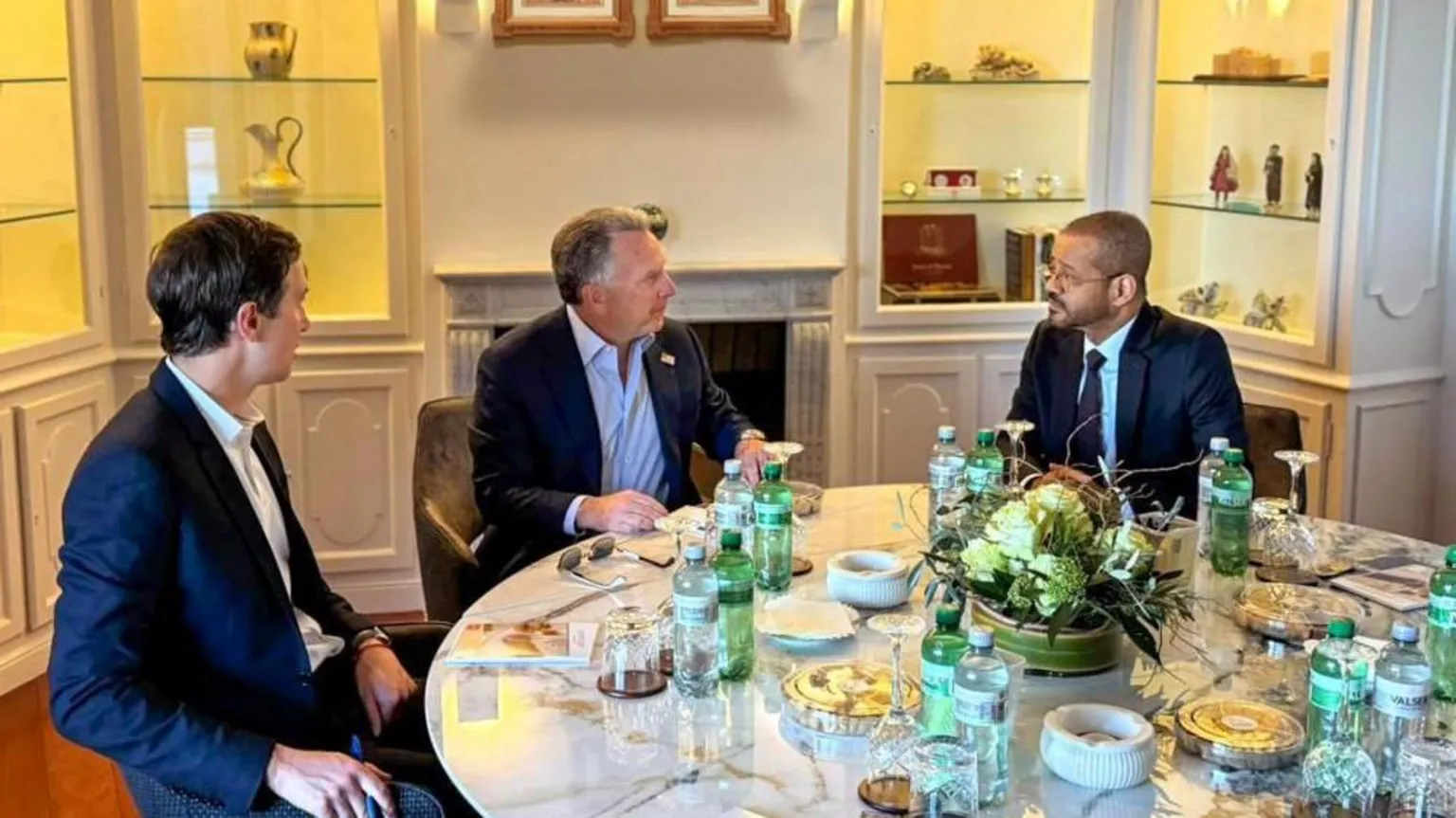
The contrast with previous nuclear diplomacy is stark. The 2015 nuclear agreement — which Trump later withdrew from in 2018, dismissing it as "the worst deal in history" — was the product of nearly 18 months of painstaking negotiations. Those talks featured delegations of experienced career diplomats and leading nuclear physicists, with then-US Secretary of State John Kerry and Iran’s then-Foreign Minister Mohammad Javad Zarif as the principal interlocutors. Senior European diplomats and foreign ministers from the United Kingdom, France, China, and Russia lent the process both technical depth and multilateral legitimacy.
That earlier diplomatic opening was itself only made possible when Iran’s Supreme Leader Khamenei made what was described internally as a reluctant concession — a posture his advisers termed "heroic flexibility" — allowing intensified nuclear talks to proceed. The reformist president at the time, Hassan Rouhani, provided the political cover for that shift. No comparable reformist figure exists in Iran’s current power structure.
The economic pressure on both sides is considerable. US inflation surged in March, with the conflict against Iran cited as a factor driving broader economic uncertainty. Iran’s economy, already battered by years of sanctions, has been further strained by the war and the internal unrest that preceded it.
Whether the Islamabad meeting produces a durable framework or merely a temporary pause in hostilities remains to be seen. What is beyond dispute is that the encounter — two senior officials from nations that have not spoken at this level in 46 years, meeting in a third country under the shadow of a contested ceasefire — marks a moment of genuine historical consequence.