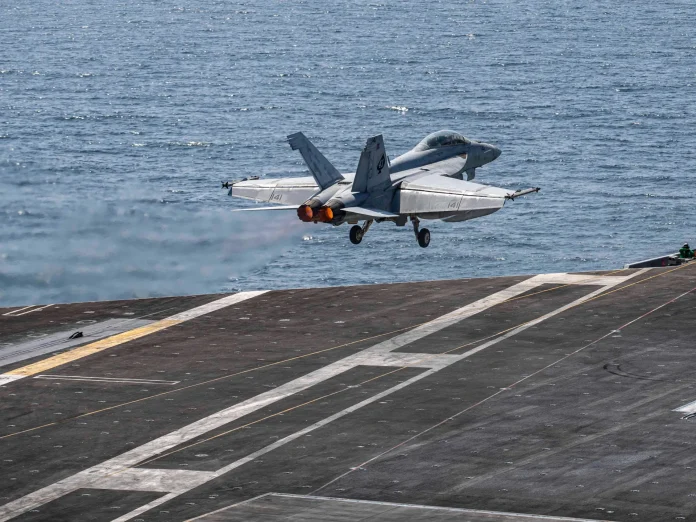
A military campaign that began without warning in the middle of active diplomatic negotiations has plunged the United States and Iran into open war, raising urgent questions about who controls American foreign policy in the Middle East — and to what end.
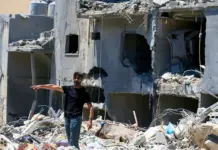
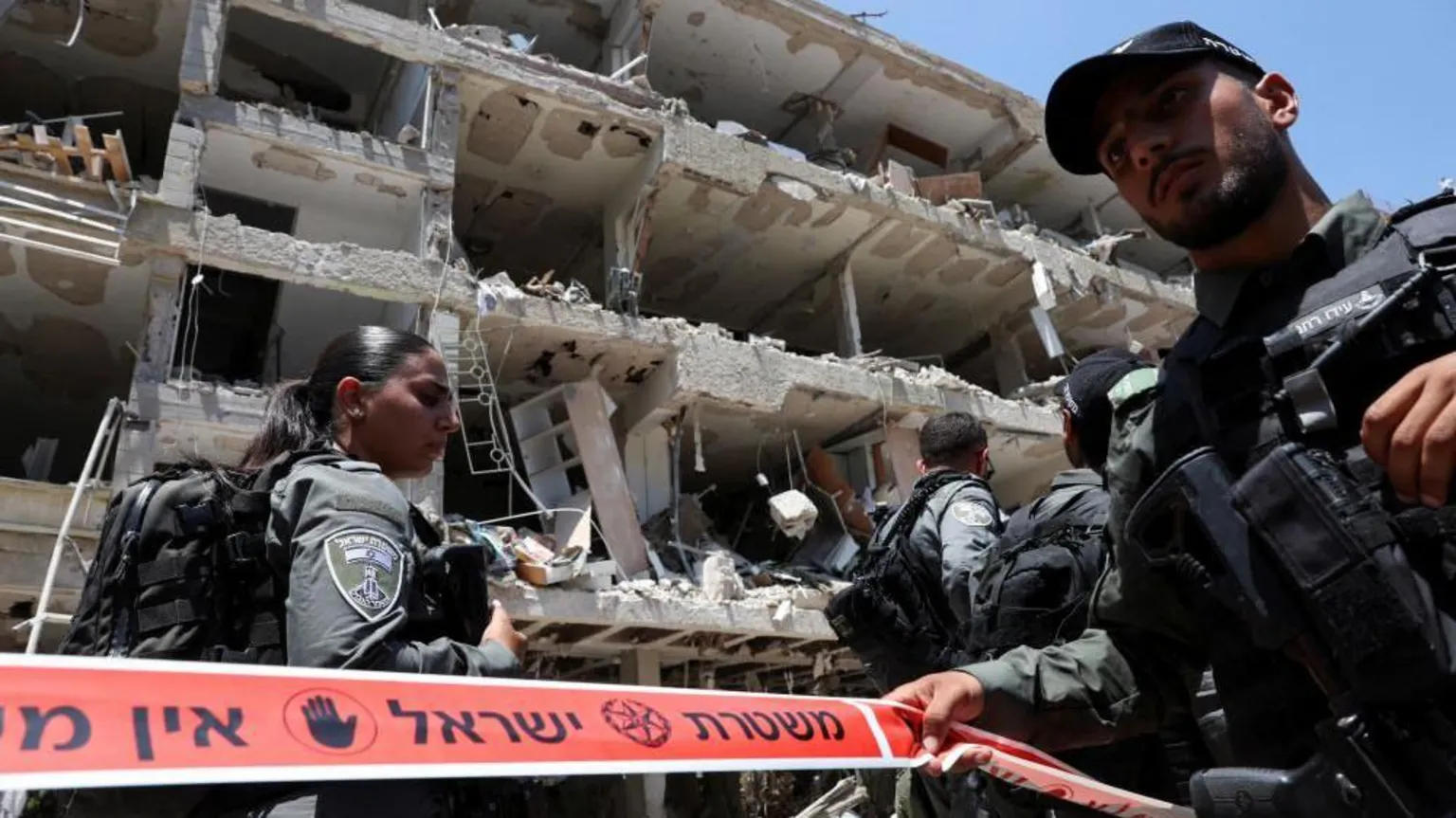
Joint US-Israeli strikes targeted Iran’s nuclear and ballistic missile infrastructure in June 2025, initiating what would become a 12-day war. President Donald Trump declared the bombing had ‘obliterated’ Iran’s nuclear programme. Iran fired back with hundreds of ballistic missiles aimed at Israeli towns and cities, with some penetrating Israel’s air-defence systems and striking apartment blocks in Tel Aviv. At least 28 people were killed in those strikes. On the first day of the conflict, Iran also launched missiles against bases and cities across the Middle East hosting US troops and assets — a retaliation Trump had publicly acknowledged could result in American casualties.
The timing of the offensive was striking. US and Iranian negotiators had completed three rounds of talks in the preceding week. Omani mediators and Iranian officials both described the final session, held on a Thursday, as positive. Tehran had signalled willingness to accept rigorous inspections of its nuclear programme. The war began before those talks could produce an agreement.
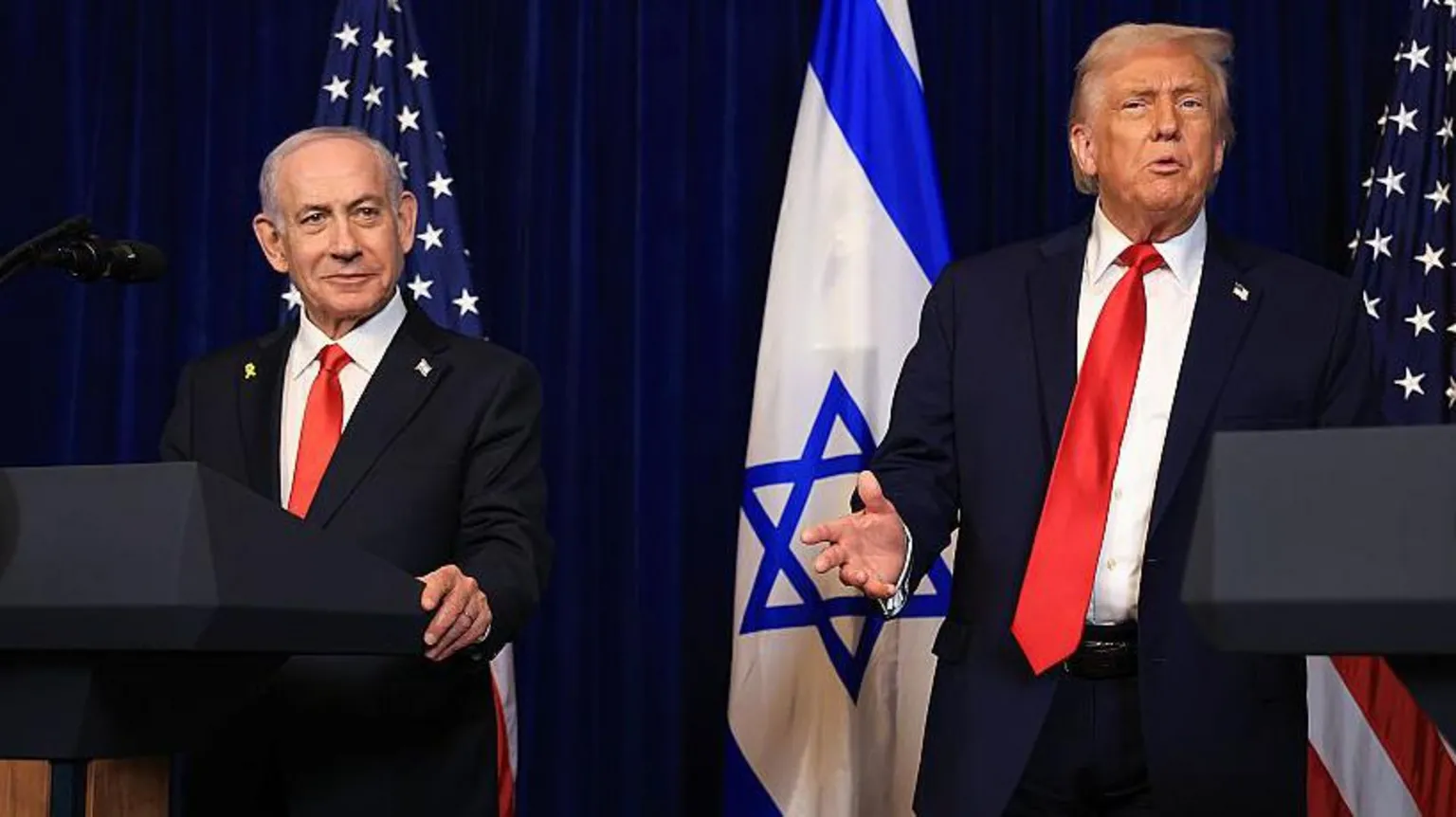
The conflict’s origins have drawn sharp criticism at home and abroad. Only 21 percent of respondents in a recent University of Maryland survey expressed support for war with Iran. Congresswoman Rashida Tlaib stated plainly that the American public does not want this war. The sentiment cuts against a broader strategic logic: the US National Security Strategy had explicitly called for de-prioritising the Middle East in Washington’s foreign policy, and Trump himself, during a May visit to the region, declared a new era of American engagement no longer defined by reshaping governments or reordering societies.
Yet the administration moved forward. Critics have drawn uncomfortable parallels to the 2003 US invasion of Iraq — a war Benjamin Netanyahu publicly promoted at the time. The Israeli prime minister has spent more than two decades warning that Iran stands on the verge of acquiring nuclear weapons. Iran has consistently denied seeking a bomb, and Trump administration officials have themselves acknowledged that Washington possesses no evidence Tehran is actively weaponising its uranium enrichment programme.
Netanyahu’s role in the current conflict is a matter of considerable debate. He has remained unusually quiet publicly about the US military build-up in the region, aside from remarks encouraging Iran’s anti-government protesters. Yet he reportedly urged Trump earlier this month to hold back, viewing the planned American strike as ‘too small.’ Israel’s military intelligence chief Shlomi Binder travelled to Washington this week to meet with US intelligence agencies and discuss potential targets inside Iran. Two senior Israeli intelligence figures — Danny Citrinowicz, a 25-year veteran of Israel’s Defence Intelligence now at the Institute for National Security Studies, and Asaf Cohen, a former deputy director of Israel’s signals intelligence unit — are among the analysts now publicly divided over whether any diplomatic deal with Tehran is achievable.
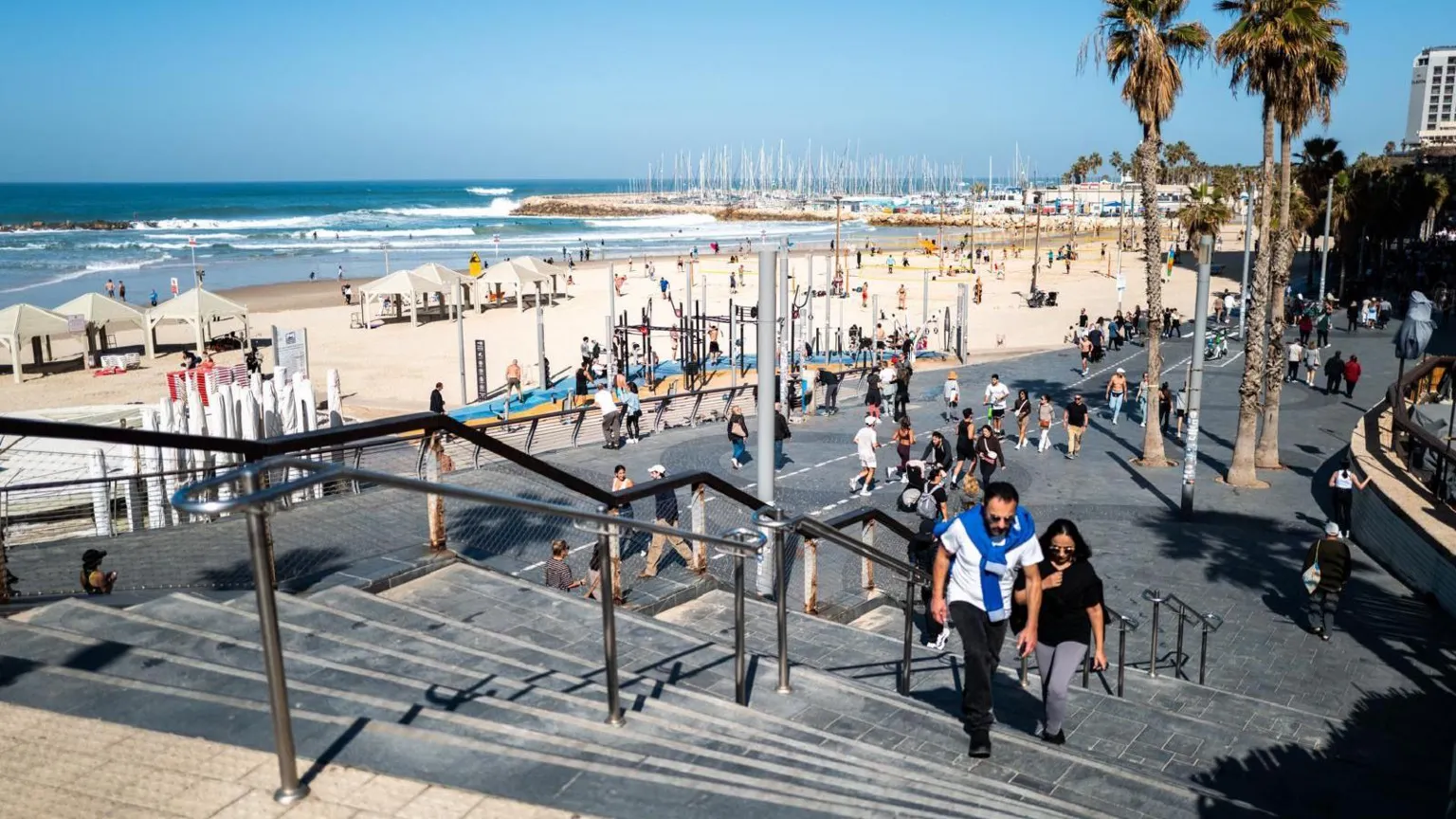
Netanyahu has long characterised Iran as the central threat to Israeli security and the primary source of regional instability. He has also claimed Iran is developing intercontinental ballistic missiles with a range of 8,000 kilometres. Iran has vehemently denied this. Geographically, Iran lies more than 10,000 kilometres from the United States — a fact critics cite when questioning the framing of Iran as a direct American security threat. US Ambassador to Israel Mike Huckabee argued that without Iran, Hezbollah would not exist. Israel’s Alma research institute estimates Hezbollah currently holds up to 25,000 missiles and rockets positioned across the Lebanese border.
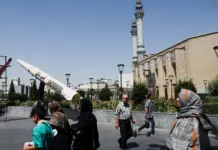
Six months after the 12-day war, Iran is actively rebuilding its missile stockpiles. A senior adviser to Supreme Leader Ayatollah Ali Khamenei warned this week on social media that Tel Aviv would face an ‘immediate and unprecedented’ response to any further US attack. The warning underscores how little the initial campaign resolved.
Israeli public opinion, by contrast, remains broadly supportive of military action against Iran — polls consistently show a strong majority of Jewish residents backing strikes, including in surveys conducted after last year’s conflict. Netanyahu faces elections this year, a political reality that colours any assessment of his strategic calculations.
On the diplomatic front, there are tentative signs of narrowing. Trump has conditioned negotiations on Iran ending uranium enrichment, curtailing support for regional proxies, and accepting limits on its ballistic missile programme. Both governments have stated openness to talks. Some analysts suggest the administration may be quietly softening its demands, focusing primarily on the nuclear file. Israeli analysts who lived through the 2013 negotiations recall that Iran’s stated red lines proved more flexible than advertised — what they called ‘pink lines’ that shifted under pressure.
Moshe Tur-Paz, a member of the Yesh Atid opposition party and a sitting member of Israel’s parliamentary Defence Committee, is among those watching the trajectory of both the military campaign and the diplomatic track with deep unease. Whether Washington can simultaneously prosecute a war and negotiate a durable settlement — without repeating the strategic failures of Iraq — remains the defining question of a conflict that few in the United States asked for.