A fragile ceasefire between the United States and Iran is entering its final days, with diplomats racing to extend a two-week truce before it expires as fundamental disagreements over nuclear enrichment and war reparations continue to block a durable settlement. The truce follows a punishing 40-day conflict that left Washington’s strategic objectives unmet and reshaped the balance of power across the Persian Gulf.
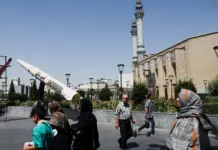
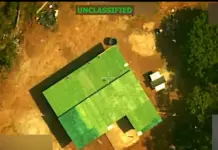
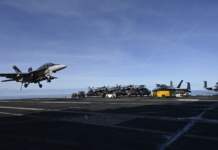
The war itself emerged from a sequence of rapid escalation. A 12-day conflict between Iran and Israel preceded direct American military involvement, during which Washington made a fateful miscalculation: intelligence assessments assumed Iran would replicate the restrained behavioural pattern it had displayed against Israel. Instead, Tehran calibrated a far more aggressive response to direct US involvement, striking American military installations across the region — including bases in the UAE, Bahrain, Kuwait, Qatar, Saudi Arabia, and Jordan.
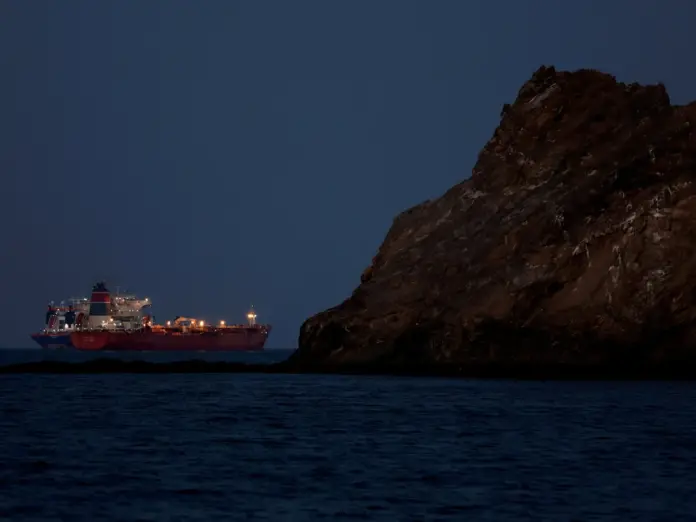
The consequences were swift and severe. Oil prices surged past $120 per barrel, with analysts debating whether crude could reach $200. The Strait of Hormuz, whose strategic vulnerability had been raised by General Keane, chairman of the Joint Chiefs of Staff, at a February 12 situation room meeting, became a decisive chokepoint. President Trump had rejected Keane’s warnings at the time. Within weeks, Ali Abdollahi, commander of Iran’s highest operational command, threatened to halt all exports and imports through the Persian Gulf, Sea of Oman, and Red Sea — a threat that rattled global energy markets and exposed the limits of Washington’s initial optimism.
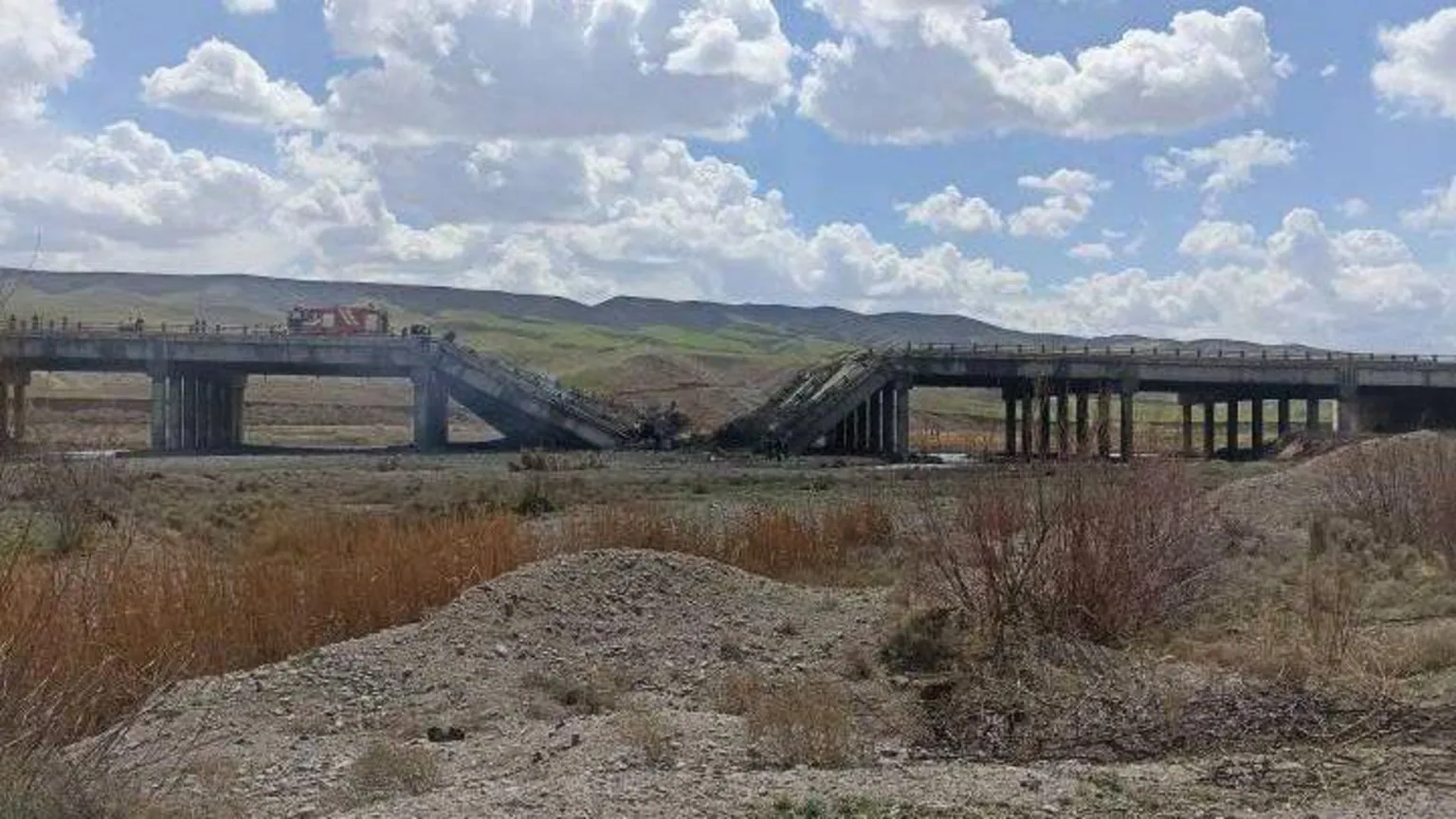
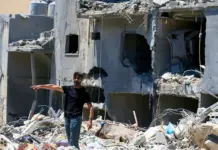
The human and infrastructural toll inside Iran has been severe. Ayatollah Ali Khamenei was assassinated on 28 February during the opening salvos of the conflict. His son, Mojtaba Khamenei, was reported seriously injured in the same attack and has not appeared in public since. The main bridge linking Tabriz with Tehran via Zanjan collapsed under missile fire, and airports across the country remain shut, leaving a 12-hour road journey as the only route to the capital. Strikes on civilians, including the Minab school tragedy, drew international condemnation. On April 7, Trump threatened that ‘a whole civilisation will die tonight,’ and days later told Fox Business News he could destroy every bridge and power plant in Iran within an hour.
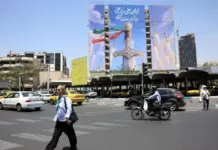
Yet the war did not produce the internal collapse Washington had anticipated. December intelligence reports had predicted instability or regime disintegration under sustained military pressure. The opposite occurred: a state of war generated social cohesion inside Iran and strengthened popular resistance. Axis of resistance-aligned groups increased their operational coordination throughout the conflict, rather than retreating to the margins as American planners had expected.
On the American side, the war generated mounting political and institutional strain. Senior generals, including the army chief of staff, were dismissed — moves that reflected a deepening deadlock over modern military doctrine and the conduct of the campaign. NATO failed to provide effective support for Washington. Domestically, prominent former Trump allies, including Tucker Carlson, publicly criticised the war. At the United Nations, a resolution proposed by Bahrain was vetoed by Russia and China. After 40 days, the United States accepted Iran’s terms to begin negotiations — a tacit acknowledgment that the war had not achieved its stated goals.

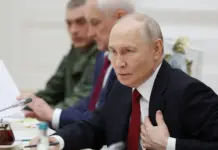
Talks opened in Islamabad, where a US delegation led by Vice-President JD Vance met Iranian officials headed by Parliamentary Speaker Mohammad Bagher Ghalibaf. The session lasted 21 hours. Vance declared he had placed Washington’s ‘final and best offer’ on the table. Iran’s foreign ministry spokesman Esmail Baghaei responded by demanding a full end to the war, the lifting of all sanctions, and financial retribution for US-Israeli strikes on Iranian territory.
The gaps remain stark. American red lines include a complete halt to nuclear enrichment, the dismantling of all enrichment facilities, removal of Iran’s entire stockpile of highly enriched uranium, the reopening of the Strait of Hormuz, and an end to Iranian funding for Hamas and Hezbollah. Iran holds a 440-kilogram stockpile of highly enriched uranium, with its 60% enriched material sitting dangerously close to weapons-grade threshold. Tehran has rejected a US demand for a 20-year moratorium on enrichment, instead proposing a five-year pause — the same offer it had tabled before hostilities began. Iran has agreed to dilute its 60% enriched uranium rather than surrender the stockpile outright.
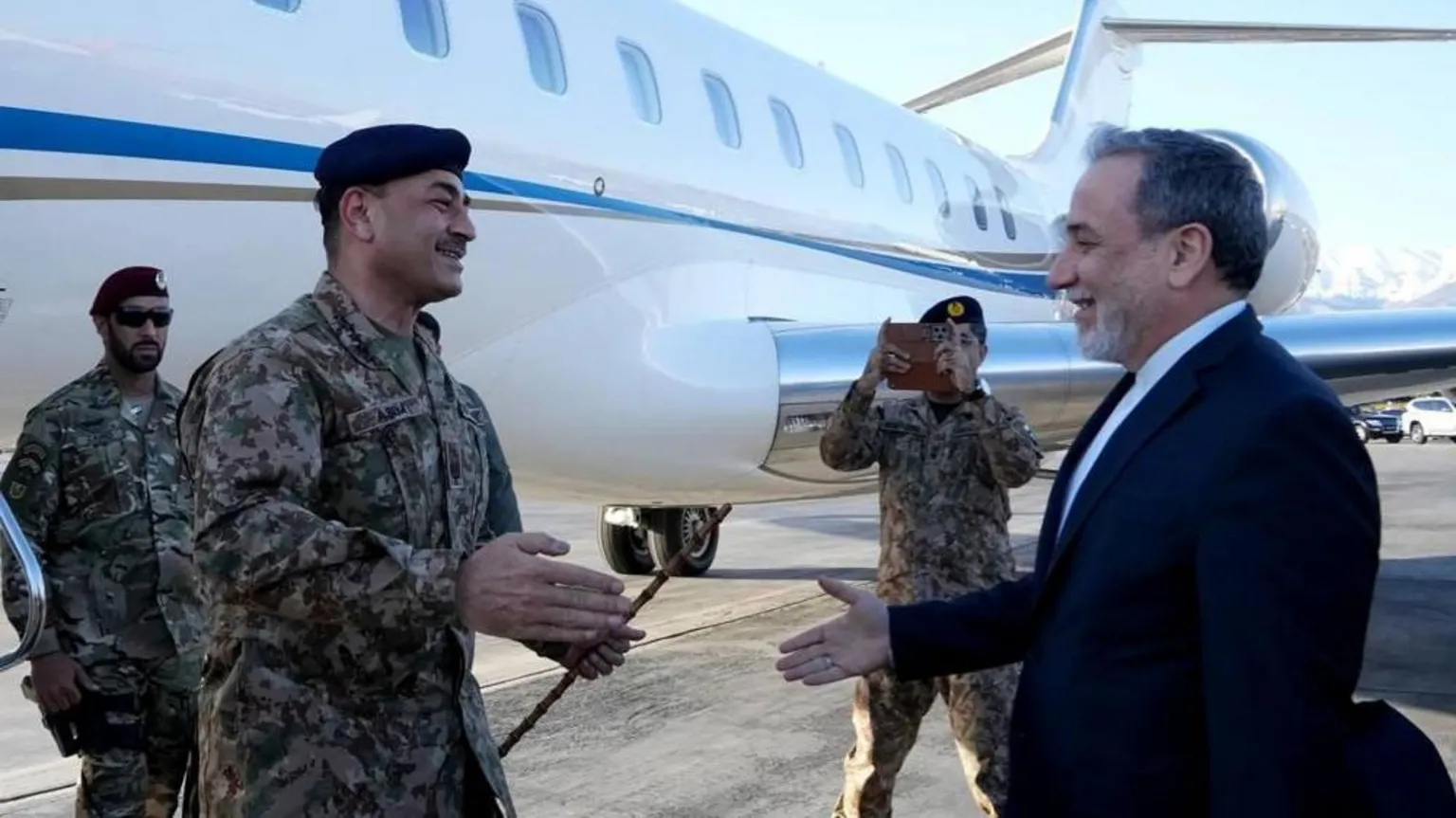
Pakistan’s Army Chief Field Marshall Asim Munir flew to Tehran to accelerate mediation efforts, and White House press secretary Karoline Leavitt confirmed that a second round of talks in Islamabad is under active discussion. An extension to the current truce is also being negotiated. Northwestern Iran has continued to see Israeli and American airstrikes even during the ceasefire period, underscoring the fragility of the current pause.
The broader strategic reckoning for Washington is already under way. The war imposed heavy military, economic, and political costs while failing to neutralise Iran’s nuclear programme, fracture its domestic cohesion, or degrade the operational capacity of its regional allies. How the next round of negotiations resolves — or fails to resolve — those core disputes will determine whether the ceasefire becomes a foundation for diplomacy or merely a pause before renewed hostilities.