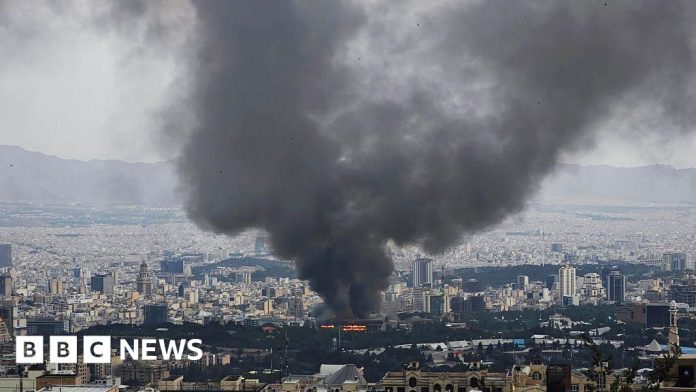
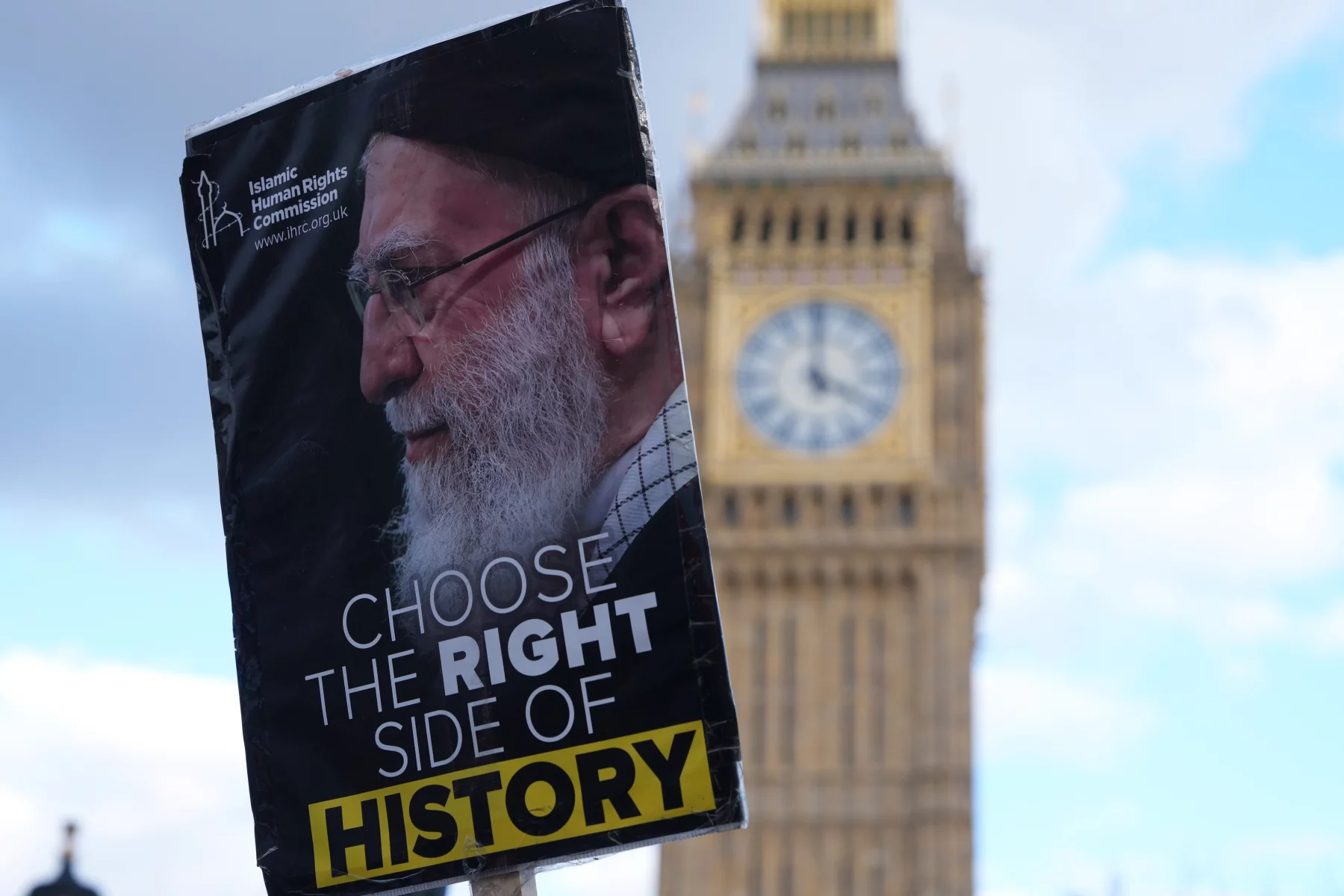
American and Israeli forces struck cities across Iran on Saturday in a sweeping military operation that killed Supreme Leader Ayatollah Ali Khamenei, shattered decades of uneasy deterrence, and set off a chain of retaliatory strikes that has drawn the entire Middle East to the edge of full-scale war.
President Donald Trump described the assault as ‘major combat operations’, framing the offensive as a decisive move to dismantle Iran’s missile capabilities, degrade its naval assets, and sever the supply lines that arm proxy militias across the region. Iranian state television confirmed Khamenei’s death, a development without precedent in the 45-year history of the Islamic Republic. Trump simultaneously called on the Iranian public to rise up against the theocracy that has governed the country since 1979.
Israel characterised its participation as a ‘preemptive attack’, with Israeli Ambassador Danny Danon telling an emergency session of the UN Security Council that the two allies had acted to neutralise an existential threat to Israel and to global stability. US Ambassador Mike Waltz elaborated that the strikes were specifically designed to dismantle Iran’s missile infrastructure, degrade its naval power, and disrupt the machinery sustaining its network of armed proxies.
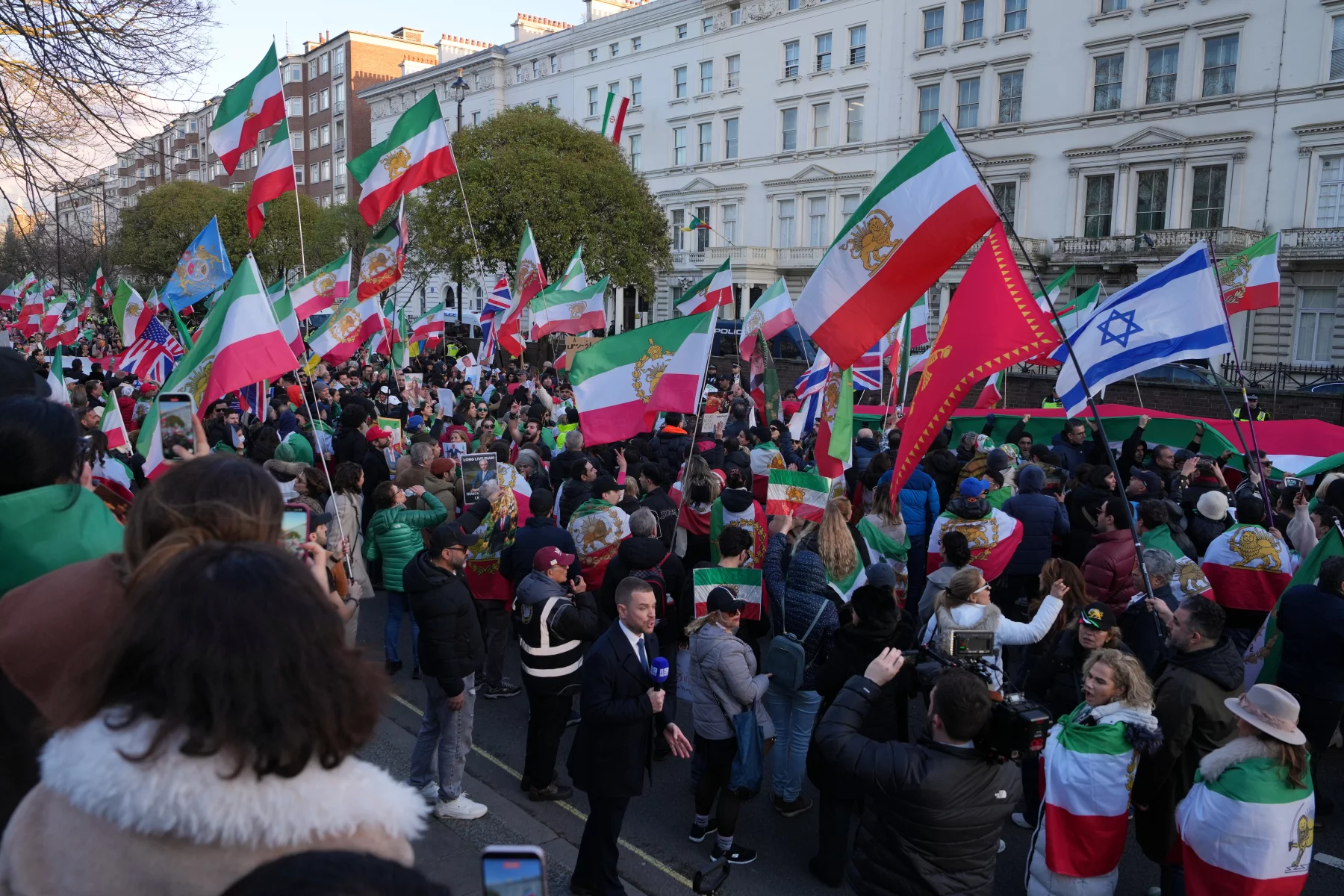
Iran’s response was swift and broad. The Revolutionary Guard Corps (IRGC) launched missiles and drones at US military installations in Kuwait, Bahrain, Qatar, and the United Arab Emirates under an operation it named ‘Truthful Promise 4’, declaring it was retaliating directly for the strikes on Iranian soil. The attacks on Gulf states drew immediate condemnation from Saudi Arabia, which denounced Iranian aggression in the strongest terms, while Morocco, Jordan, and the UAE also denounced the Iranian strikes. The 22-nation Arab League called the Iranian attacks a blatant violation of the sovereignty of countries that had been advocating for peace.
Bahrain and France jointly requested the emergency UN Security Council session, which convened in New York on Saturday afternoon. UN Secretary General Antonio Guterres condemned the military escalation, and UN Human Rights Chief Volker Türk urged all parties to exercise restraint and return to the negotiating table. European Commission President Ursula von der Leyen and European Council President António Costa called for maximum restraint and the protection of civilians.
The diplomatic fallout spread rapidly across continents. Russian Ambassador Vasily Nebenzia condemned the strikes as a pre-planned and unprovoked act of armed aggression against a sovereign UN member state, warning of severe escalation risks. China called for an immediate halt to military action and a return to negotiations. Oman’s Foreign Minister Badr Albusaidi, who had been serving as a key mediator in US-Iran nuclear talks, said he was ‘dismayed’, adding that the US action constitutes a violation of international law and the principle of settling disputes through peaceful means.
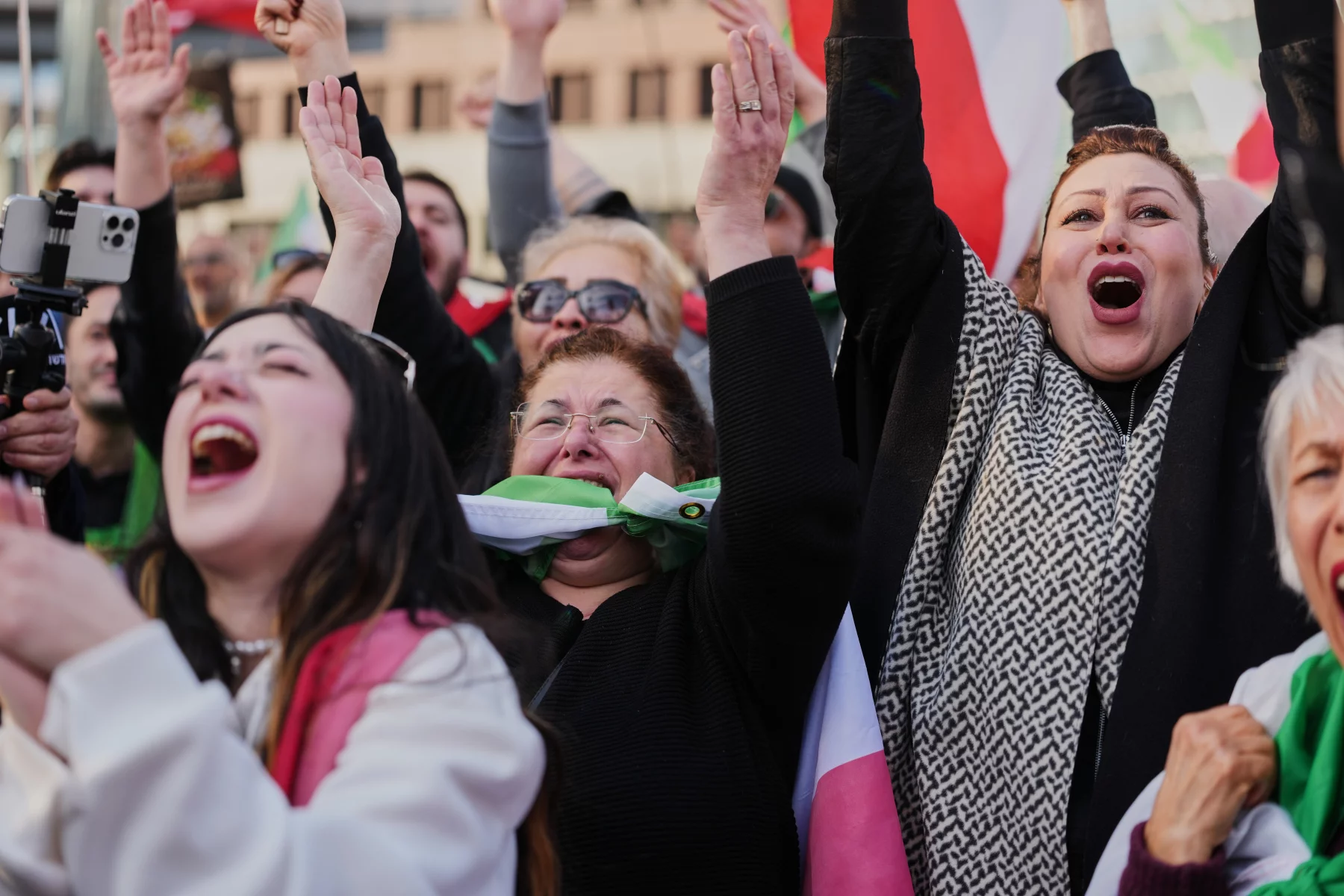
Iran’s Foreign Minister Abbas Araghchi described the joint assault as ‘wholly unprovoked, illegal, and illegitimate’. The EU’s top diplomat, Kaja Kallas, called the latest developments ‘perilous’, while Norwegian Foreign Minister Espen Barth Eide warned of the prospect of a new, extensive war engulfing the Middle East.
European leaders moved quickly to distance themselves from the operation while urging de-escalation. French President Emmanuel Macron, German Chancellor Friedrich Merz, and UK Prime Minister Sir Keir Starmer issued a joint statement calling for a resumption of negotiations between Washington and Tehran, emphasising that none of the three countries participated in the strikes. France stated it had not been warned in advance, while Germany said it had received prior notification. Starmer acknowledged that British aircraft were operating in the Middle East as part of coordinated regional defensive operations. Italian Prime Minister Giorgia Meloni said Rome would consult allies and regional leaders to support efforts to ease tensions.
Beyond Europe, reactions were sharply divided. Australian Prime Minister Anthony Albanese expressed support for the United States, saying Canberra backed efforts to prevent Iran from obtaining a nuclear weapon — a position reinforced by Australia’s decision last August to expel Iran’s ambassador following accusations of orchestrating antisemitic attacks on Australian soil. Canadian Prime Minister Mark Carney also expressed support for the military action. Brazil, by contrast, condemned the US and Israeli attacks and expressed grave concern over the trajectory of events.
The strikes followed weeks of escalating threats and stalled negotiations over Iran’s nuclear programme. On the ground, the immediate human impact was visible across the region: gas stations in multiple countries reported unusually long queues as residents stockpiled fuel in anticipation of supply disruptions. Israel closed checkpoints controlling the movement of people and goods on Saturday. Palestinian communities in the occupied West Bank, lacking warning sirens or bomb shelters, faced particular vulnerability to falling debris and errant missiles.
The death of Khamenei removes the central figure who has shaped Iranian foreign and domestic policy for more than three decades, leaving the Islamic Republic’s political future deeply uncertain at the moment of its most acute military crisis.