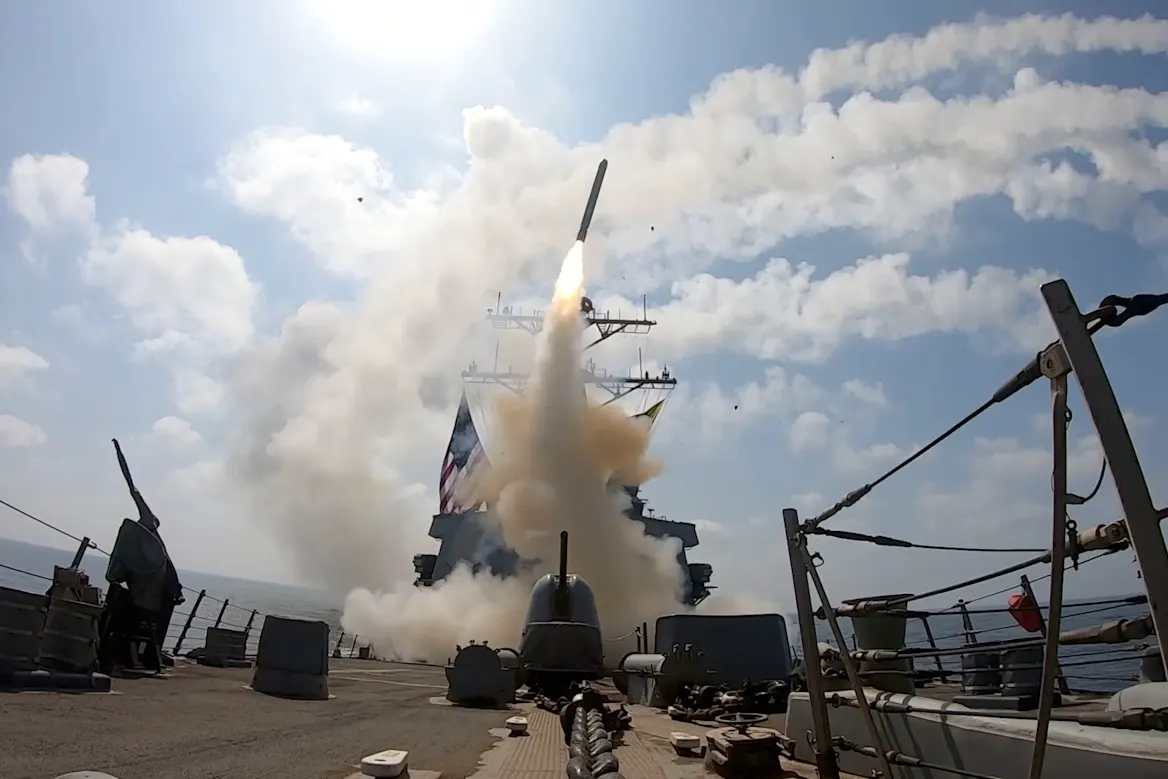
Tehran/Washington/Tel Aviv — The United States and Israel launched sweeping military strikes across Iran on Saturday, killing Supreme Leader Ayatollah Ali Khamenei and triggering an immediate Iranian retaliatory barrage against Israel and four Gulf Arab states, plunging the Middle East into its most dangerous crisis in a generation.
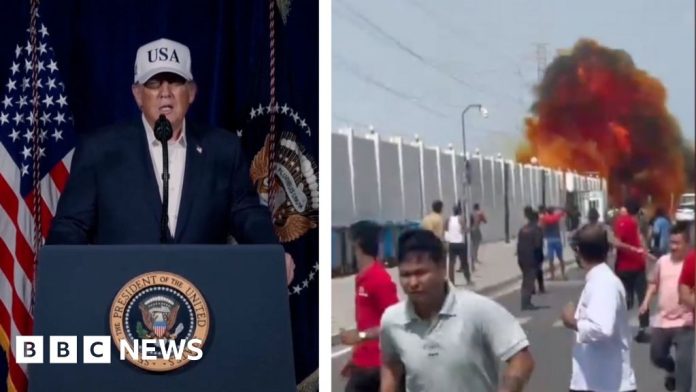
President Donald Trump confirmed the operation in a video address to the nation. ‘A short time ago the United States began major combat operations in Iran,’ he said, announcing that Khamenei — who had ruled the Islamic Republic since 1989 and was 86 years old — was dead. Israeli Prime Minister Benjamin Netanyahu simultaneously confirmed that Khamenei’s compound in Tehran had been destroyed in what he described as a ‘powerful, surprise strike.’ Iranian state media acknowledged the Supreme Leader’s death, though it offered no comment on the circumstances.
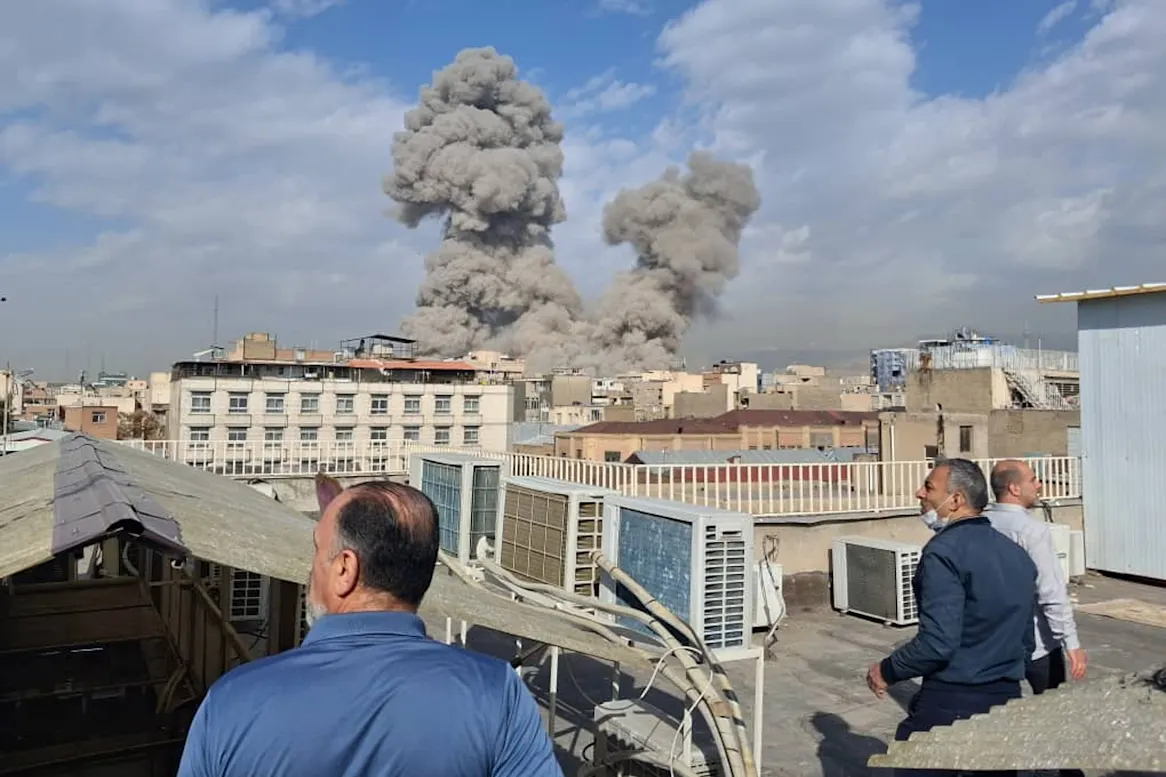
Israel designated its component of the assault Operation Roaring Lion; the American military named its campaign Operation Epic Fury. Israeli Defence Minister Israel Katz described the Israeli action as a preemptive strike. The first bombs struck central Tehran on Saturday morning local time, and videos circulating online documented the aftermath across the capital, with smoke visible rising over the city skyline.
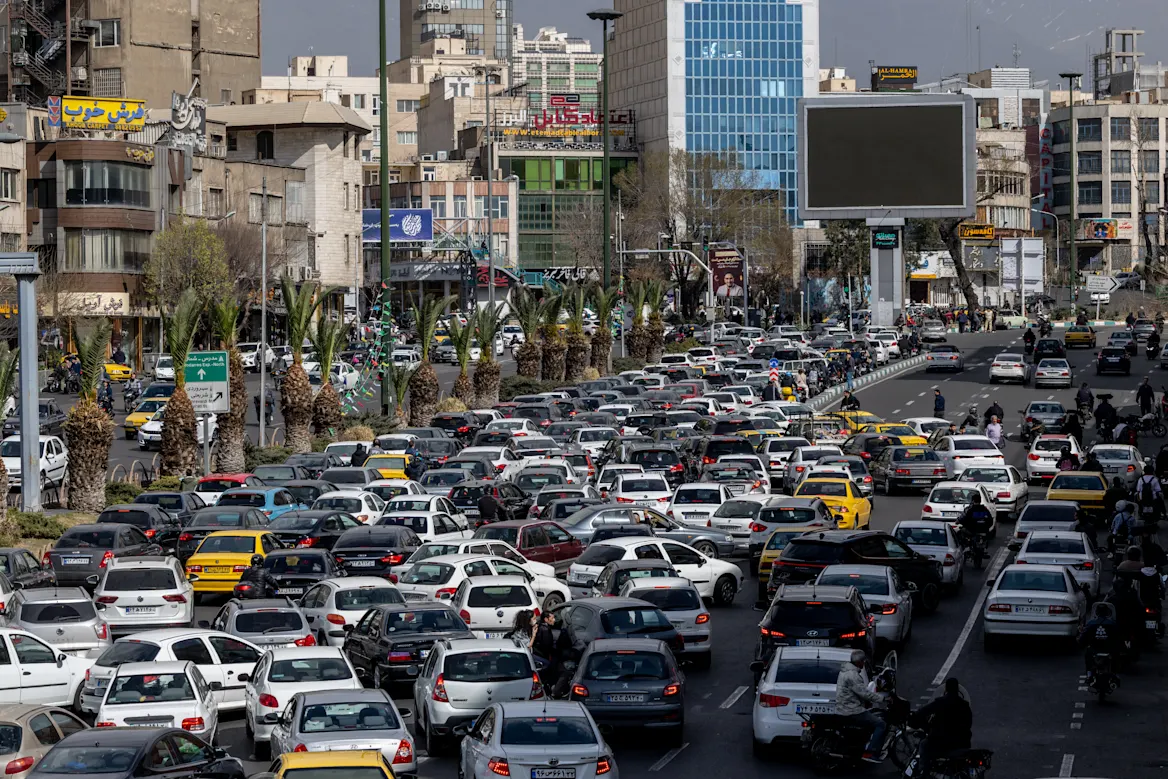
Iran’s response was swift and broad. The Islamic Republic launched salvos of missiles and drones toward Israel, forcing the closure of schools and workplaces across the country. Simultaneously, Iran targeted military installations across the Gulf, striking Al Udeid airbase in Qatar, Al-Salem airbase in Kuwait, Al-Dhafra airbase in the United Arab Emirates, and the US Fifth Fleet headquarters in Bahrain — all facilities that host significant American military forces. Fires broke out at the Fairmont The Palm Hotel in Dubai and at Dubai International Airport, where four people were injured.
The strikes came despite a third round of nuclear negotiations between Washington and Tehran, facilitated by Oman and held in Switzerland, in which Omani Foreign Minister Sayyid Badr Albusaidi had declared ‘significant progress.’ Iran had agreed in principle to degrade its existing stockpiles of enriched nuclear material and halt further accumulation. Those diplomatic efforts now appear shattered.
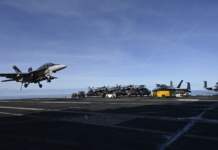
The military confrontation had been building for months. A US military build-up launched in January included the deployment of two aircraft carriers — the USS Gerald R. Ford and the USS Abraham Lincoln — to the region. The current campaign follows an assault on Iranian nuclear facilities carried out the previous June, which had already dramatically raised tensions between the two countries.
The strikes land against a backdrop of severe domestic instability inside Iran. Anti-government protests, described as the largest in years, entered their 13th consecutive day, having erupted on December 28 over the country’s deteriorating economy. Thursday’s demonstrations appeared to be the most geographically widespread since the movement began. An internet shutdown remained in force following deadly clashes between protesters and security forces, and footage examined from a Tehran mortuary showed scores of bodies. Amid the unrest, a 26-year-old man named Erfan Soltani, detained last week, is reported by relatives to face execution on Wednesday.
The international dimensions of the crisis extend beyond the immediate military theatre. A British woman detained by Iran, along with her husband, was sentenced to 10 years in prison on espionage charges. In Gaza, UN Humanitarian Chief Tom Fletcher acknowledged that more aid trucks were entering the territory following a ceasefire that began three months ago, but warned the volume remained critically insufficient. Fletcher cautioned that approximately 14,000 babies could die within 48 hours without adequate aid delivery — a figure the UN said underscored how far short current access falls from what is needed.
Separately, Kurdish-administered facilities in Syria continue to hold approximately 8,000 suspected Islamic State fighters and around 34,000 family members of suspected IS detainees — a population whose fate grows more uncertain as regional security structures are upended by the rapidly expanding conflict.
The killing of Khamenei, who presided over Iran’s theocratic government for 35 years, represents an unprecedented rupture in the Islamic Republic’s leadership and raises profound questions about succession, internal stability, and the trajectory of a nation now simultaneously absorbing military strikes, economic collapse, and mass street protests. World capitals scrambled to respond as the full scale of the operation became clear.