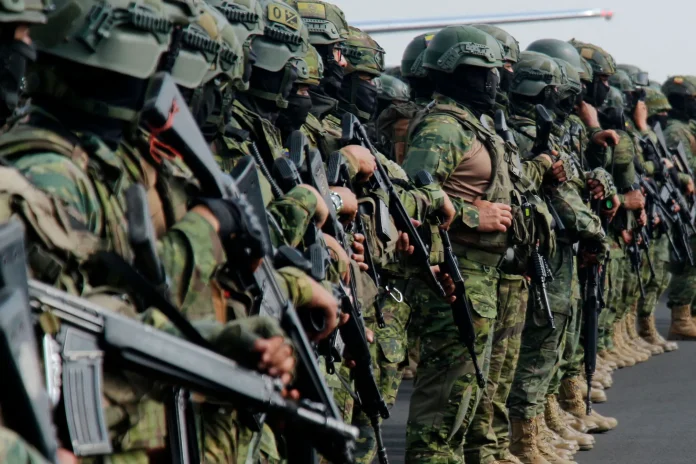
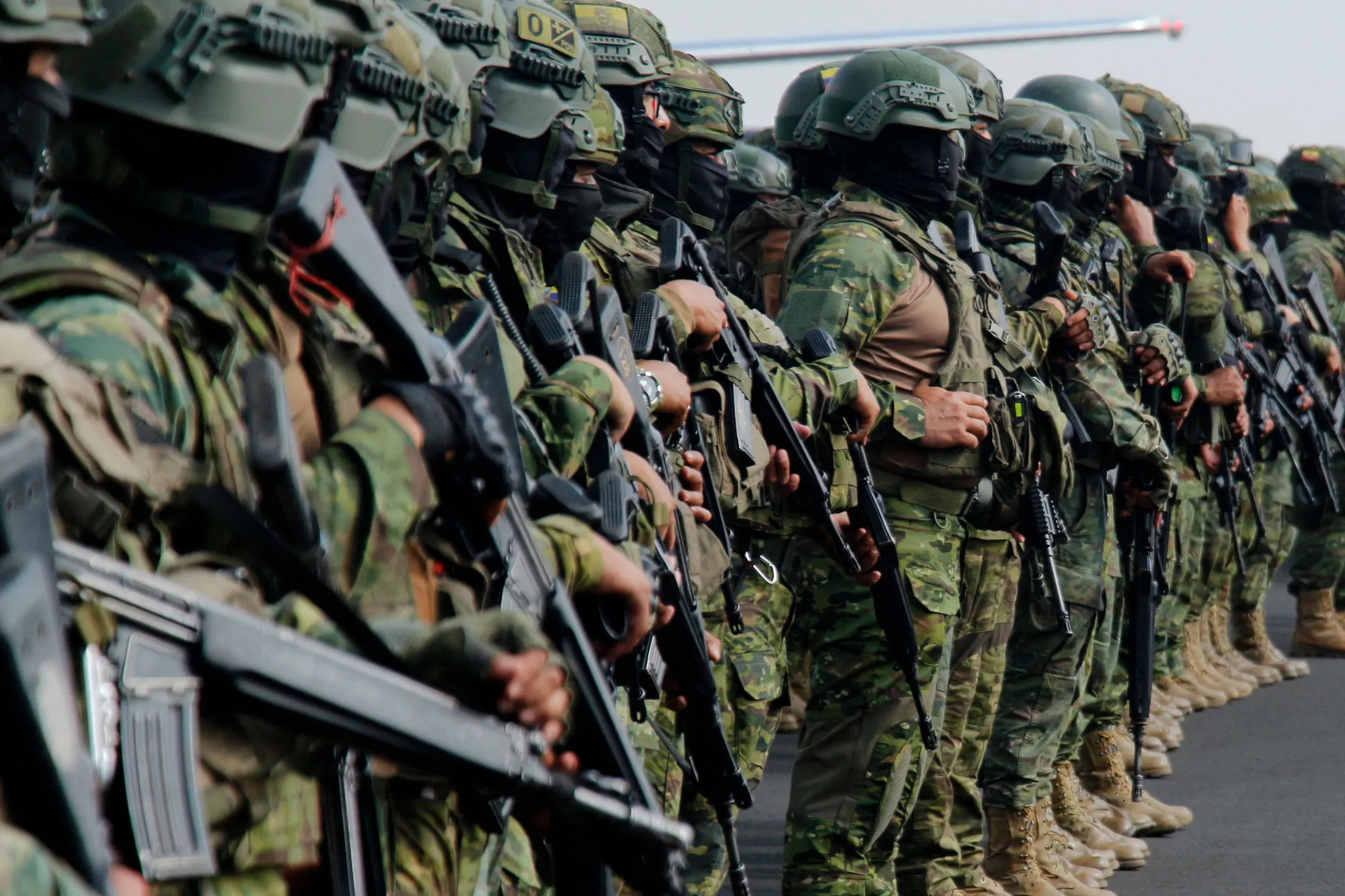
American and Ecuadorian military forces launched joint operations on March 3 against designated terrorist organisations operating inside Ecuador, the latest and most direct escalation in the Trump administration’s expanding military campaign across Latin America.
US Southern Command announced the operations, with Commander General Francis L. Donovan praising Ecuador’s armed forces in an official statement. The Pentagon confirmed the action but declined to specify which groups were being targeted or what the operations would entail in detail. White House Press Secretary Karoline Leavitt endorsed the joint effort at a Wednesday briefing, calling it a demonstration of the administration’s commitment to combating narco-terrorism.
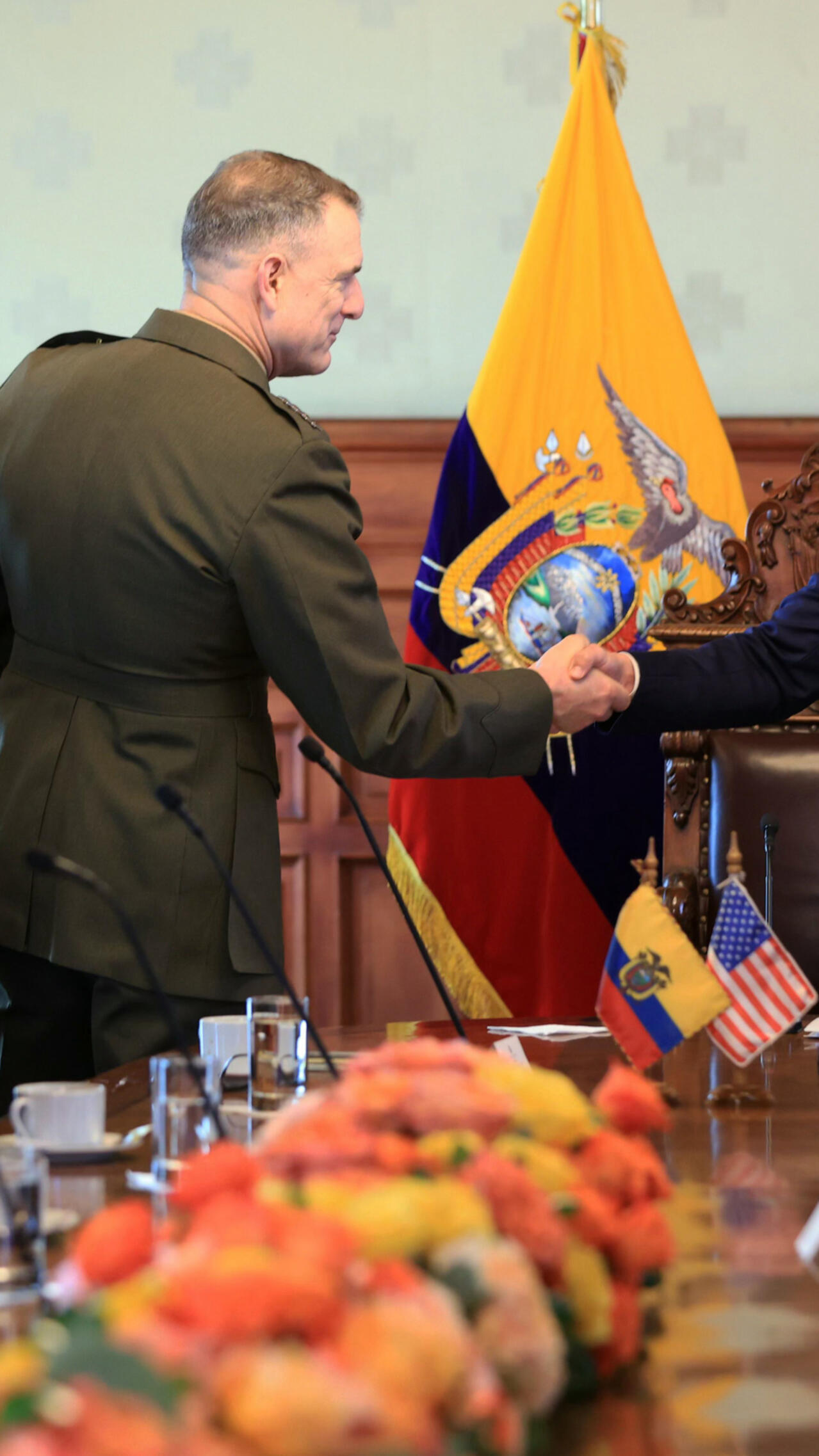
The announcement came one day after General Donovan met with Ecuadorian President Daniel Noboa and senior defence officials at the Government Palace in Quito on March 2. That meeting focused on strengthening information sharing, operational coordination, and tightening controls at the country’s airports and ports. Noboa simultaneously announced via social media that Ecuador was entering a new phase in its fight against drug trafficking and illegal mining, framing the US partnership as central to that effort.
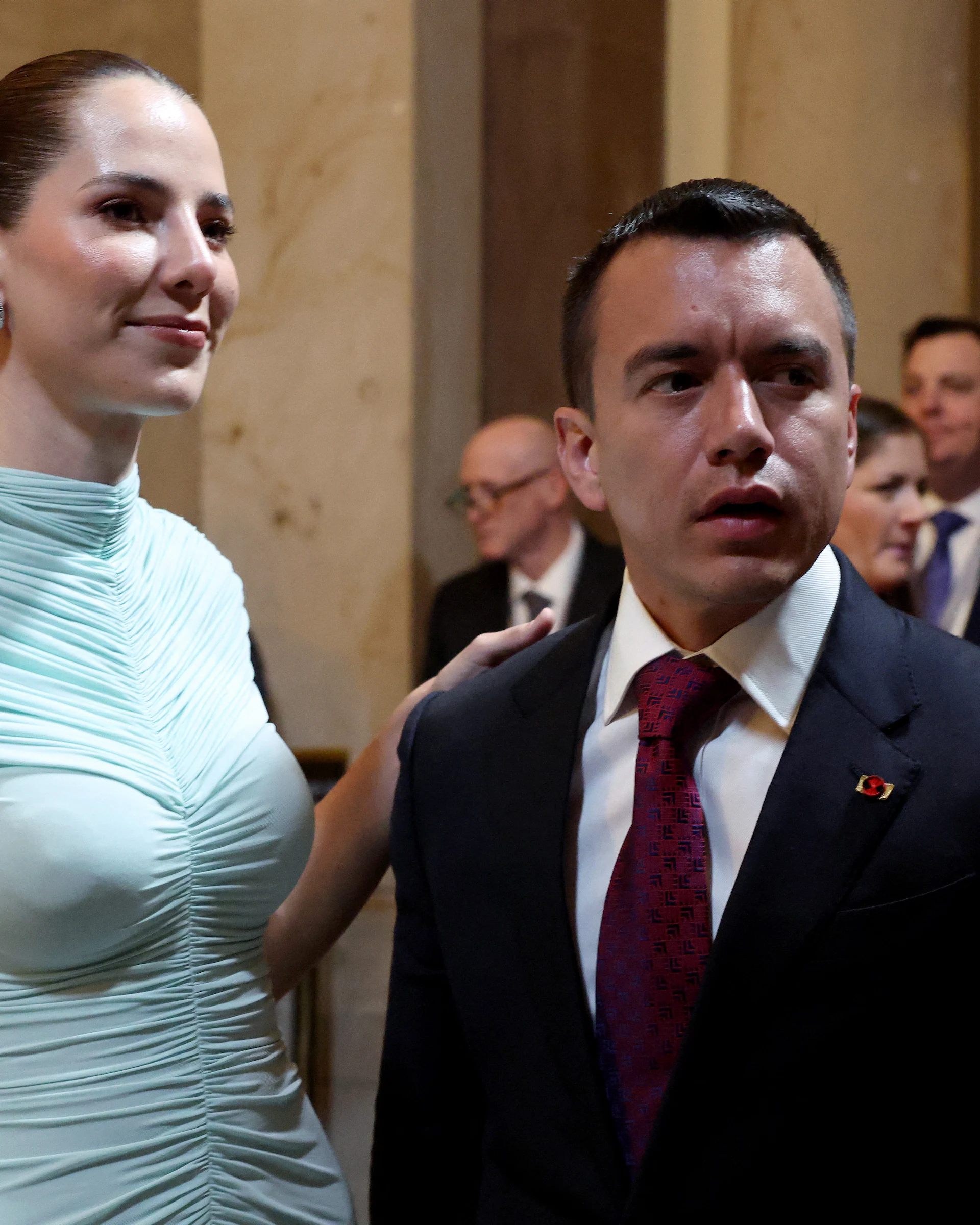
Ecuador’s Ministry of Defence echoed the announcement, stating that the country’s armed forces would combat organised crime alongside strategic allies. Both governments characterised the targeted groups as organisations that have spread violence and corruption across the Western Hemisphere.
Among the groups in the crosshairs are Los Lobos and Los Choneros, two Ecuadorian criminal organisations designated as foreign terrorist organisations by the US State Department in September. Ecuador has endured a sharp rise in homicides and violent crime since the onset of the COVID-19 pandemic in 2020, a crisis that propelled Noboa — a right-wing leader who took office in 2023 — to the presidency on a platform of restoring public security. He won re-election on the same pledge.
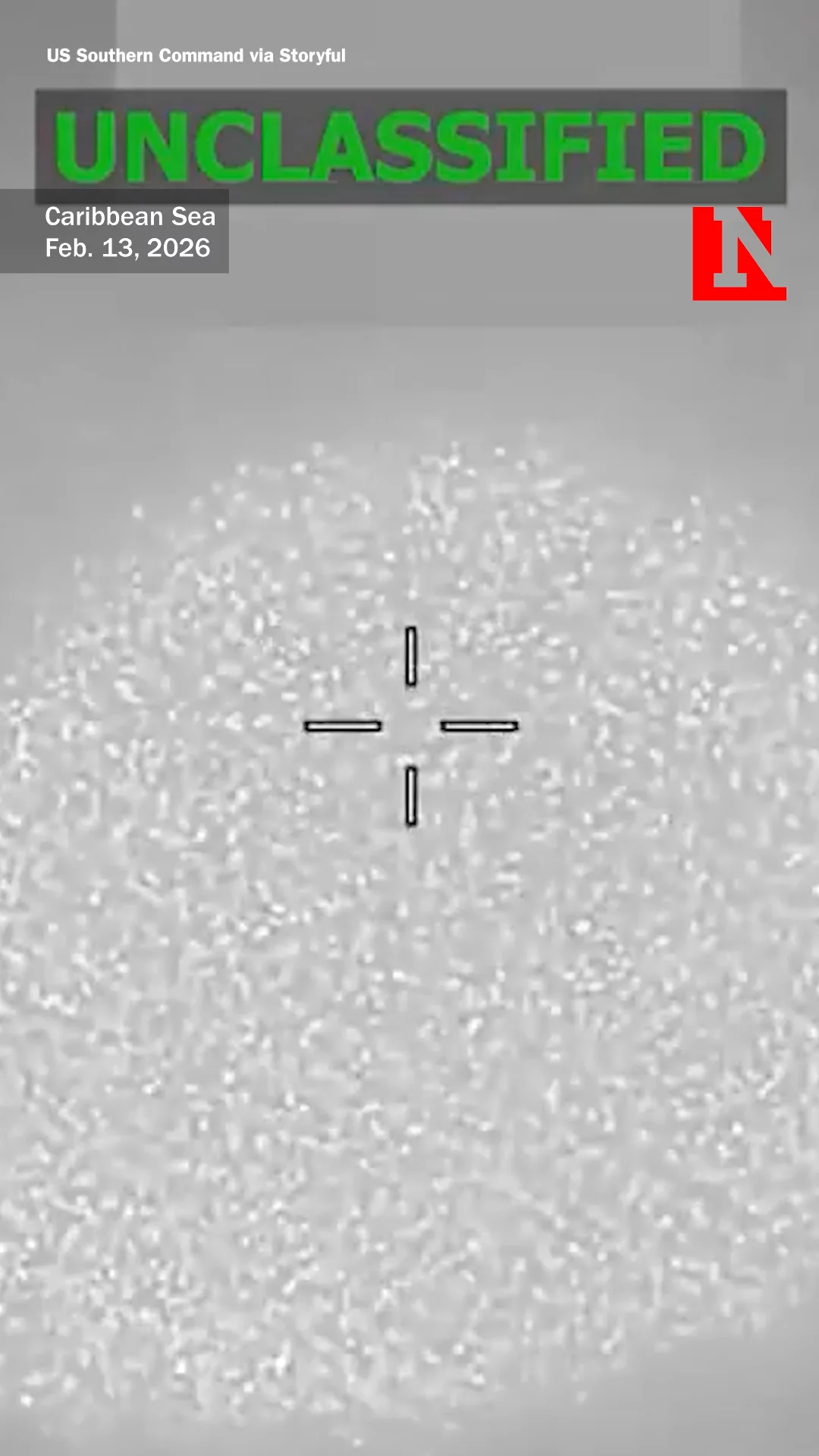
The Ecuador operations are part of a broader and increasingly militarised strategy by Washington. Under Operation Southern Spear, at least 151 people have been killed in aerial strikes targeting alleged drug-smuggling boats across the Caribbean Sea and the eastern Pacific Ocean. The identities of those killed have not been confirmed by US officials, and no charges against the victims have been made public. Two survivors from an October strike on a submarine were recovered and subsequently repatriated to Ecuador and Colombia, where they were released.
The Trump administration has also taken direct military action on Venezuelan soil. A first operation in late December targeted a dock allegedly used by the transnational gang Tren de Aragua. A second operation on January 3 resulted in the capture of Venezuelan President Nicolás Maduro, who was subsequently imprisoned and charged with drug trafficking and weapons offences in a US federal court — a dramatic move with sweeping implications for hemispheric relations.
Colombia has also faced pressure from Washington. President Donald Trump and Noboa have both threatened Bogotá over what they describe as insufficient action against cocaine trafficking. Noboa announced plans to impose a 50 percent tariff on Colombian imports beginning March 1 as punitive measures against the government of left-wing President Gustavo Petro. Trump has designated multiple prominent cartels as foreign terrorist organisations since beginning his second term, providing legal and institutional scaffolding for the military actions now unfolding across the region.
The relationship between Quito and Washington has deepened considerably in recent months. Homeland Security Secretary Kristi Noem has visited Ecuador multiple times over the past year, and the US has expressed interest in establishing a permanent military base in the country. Ecuadorian voters rejected that proposal in a referendum held in November, though the two governments have continued to expand operational cooperation regardless.
The March 3 operations represent the most direct US military engagement inside Ecuador to date, and signal that the Trump administration views the country as a key partner — and a critical front — in what it has cast as a hemispheric war on narco-terrorism. Whether the campaign will meaningfully reduce drug flows or deepen instability in an already volatile region remains an open and urgent question.