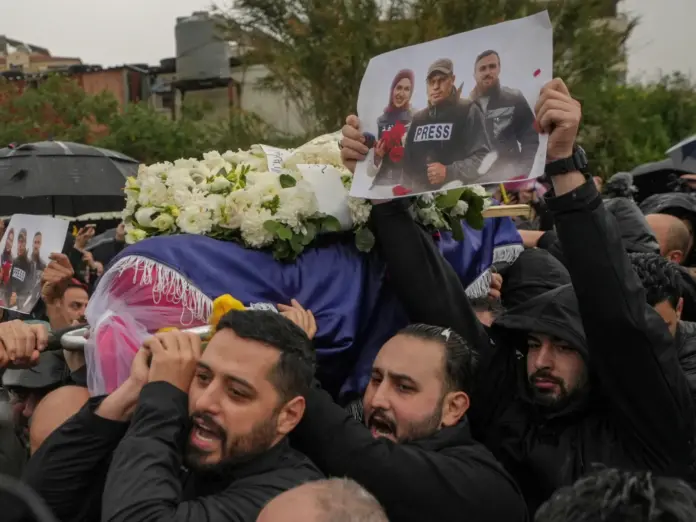
Three United Nations special rapporteurs have demanded an independent investigation into Israel‘s killing of three journalists in southern Lebanon, warning that the targeted strike may constitute a war crime and forms part of a deliberate campaign to suppress reporting on Israeli military operations.
The UN experts — Irene Khan, Morris Tidball-Binz, and Ben Saul — issued their statement on Thursday, condemning the March 28 strike that killed Al Mayadeen journalist Fatima Ftouni, her brother and freelance photojournalist Mohamad Ftouni, and Al-Manar correspondent Ali Shoaib. All three died when an Israeli strike hit their car in southern Lebanon.
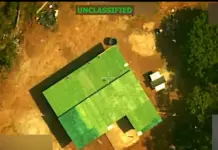
Israel accused Shoaib of being a member of the Radwan force, an elite unit within Hezbollah, claiming he was operating under the guise of journalism. The Israeli military similarly labelled Mohamad Ftouni a terrorist affiliated with Hezbollah’s military wing. The UN experts flatly rejected both characterisations, noting that Israel provided only a photoshopped image as evidence of the journalists’ alleged links to armed groups. Shoaib’s colleagues also dismissed the accusations.
"Working for media outlets affiliated with an armed group does not mean journalists are directly participating in hostilities under international humanitarian law," the three rapporteurs stated, adding that the deliberate killing of journalists not taking direct part in combat constitutes a war crime. Both Al Mayadeen and Al-Manar are editorially aligned with Hezbollah, but the experts stressed that affiliation alone carries no legal weight under the laws of war.
The UN experts accused Israel of being emboldened by a pattern of impunity for previous killings of journalists in Lebanon, Gaza, and the West Bank. They warned that the strikes represent a broader push to silence independent reporting on Israel’s military campaigns — a concern echoed by press freedom organisations tracking the toll on the media.
The Committee to Protect Journalists reported in February that Israel was responsible for two-thirds of all journalist killings recorded in 2024 and 2025. Of the 86 journalists killed by Israeli fire in 2024 alone, more than 60 percent were Palestinian journalists reporting from the Gaza Strip. Since 2023, at least 231 journalists and media workers have been killed by Israeli forces, with 210 of those deaths occurring in Gaza.
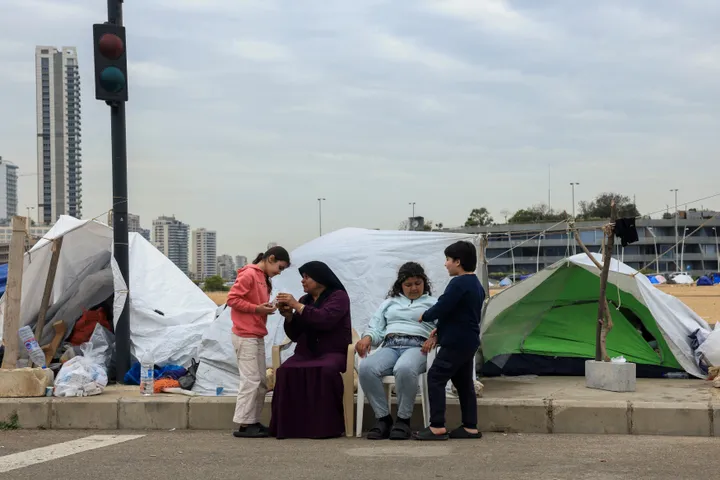
Sara Qudah, the Committee to Protect Journalists’ Middle East director, warned that Lebanon is becoming an increasingly deadly zone for journalists, as Israeli military operations intensify across the country.
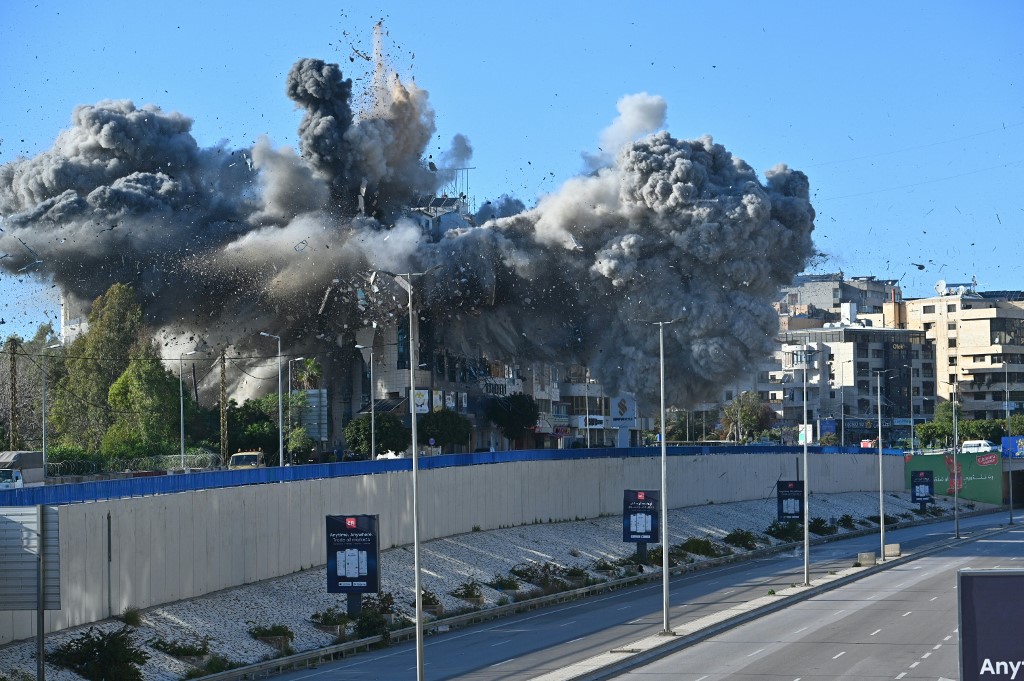
The human cost extends far beyond the press corps. Lebanon’s Ministry of Health reports that intensified Israeli attacks since early March have killed at least 1,345 people and wounded at least 4,040 others. The UN special rapporteurs described Israel’s parallel military campaign in Gaza as a genocidal war.
The March 28 strike drew immediate international attention given the deliberate nature of the targeting. The three journalists were travelling together in a single vehicle — a circumstance the UN experts said underscored the precision and intentionality of the attack. Israel has not publicly presented credible evidence to substantiate its claims against any of the three victims.
The rapporteurs’ call for accountability reflects mounting alarm within the international community over what critics describe as the systematic elimination of journalists covering Israeli military operations. Press freedom advocates argue that the scale and consistency of journalist casualties cannot be explained by the fog of war alone, and that the pattern points to a deliberate strategy of media suppression.
Israel has not responded publicly to the UN experts’ latest statement. The three special rapporteurs — whose mandates cover freedom of expression, extrajudicial killings, and international humanitarian law respectively — urged all relevant parties to ensure journalists can operate safely and without threat of lethal force.