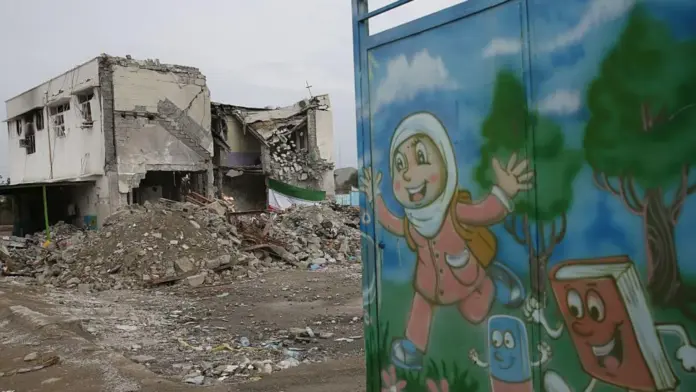
GENEVA/WASHINGTON — The United Nations human rights chief has urged the United States to swiftly conclude its investigation into a missile strike on a primary school in southern Iran that killed at least 168 people, warning that the world cannot afford a prolonged silence over one of the deadliest single incidents of civilian casualties in recent American military history.
Volker Türk, the UN High Commissioner for Human Rights, made the appeal after meeting with US officials in Washington this week and again at an emergency session of the UN Human Rights Council in Geneva on Friday. He called not only for the investigation to be completed as soon as possible, but for its findings to be made public.
The strike targeted the Shajareh Tayyebeh school in Minab on February 28 — the opening day of a regional war launched through joint US-Israeli strikes. Two missiles hit the school in rapid succession. Iranian officials say at least 168 people died, among them approximately 110 children. Tehran has put the toll even higher, claiming more than 175 children and teachers were killed.
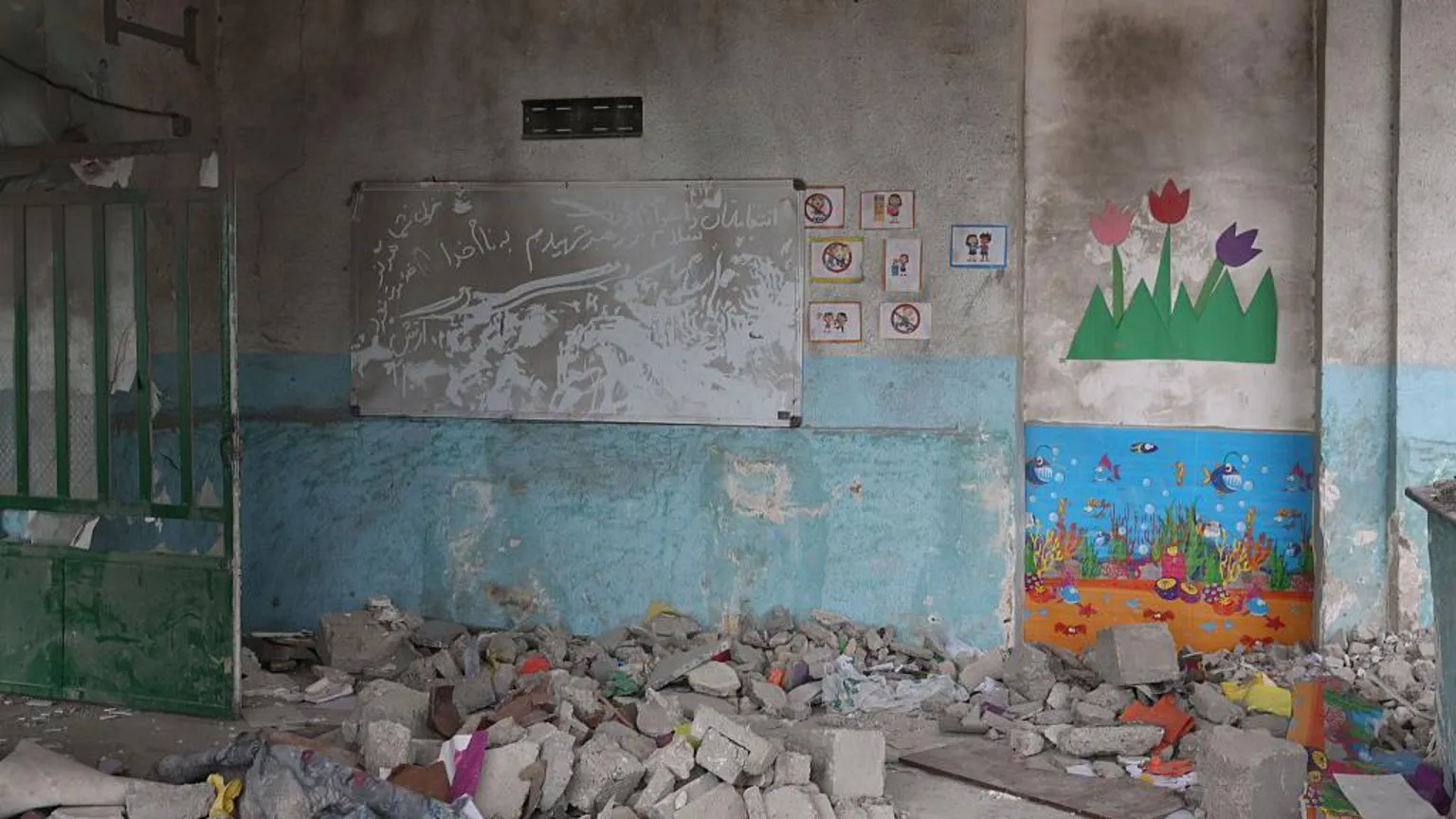
US military investigators have not yet reached a final conclusion, but preliminary findings — first reported on March 5 — indicate that American forces were likely responsible for the strike, which investigators believe was unintentional. The Pentagon has elevated the probe in response to mounting pressure. US Defence Secretary Pete Hegseth has acknowledged the investigation is ongoing and has previously stated that the US does not target civilians.
The probable cause of the error points to a critical intelligence failure. Officers at US Central Command are believed to have generated target coordinates using outdated data from the Defense Intelligence Agency. The intended target was an adjacent base belonging to Iran’s Islamic Revolutionary Guard Corps. The school building, however, had formerly been part of that same IRGC compound — a fact apparently not reflected in the targeting data used.
Video evidence has added significant weight to the case for US involvement. Footage published by Iran’s semi-official Mehr news agency and authenticated as genuine shows a missile in the moments before impact. Weapons experts identified it as a Tomahawk cruise missile — a munition exclusively associated with the US military and not known to be in the arsenals of either Israel or Iran. The presence of a Tomahawk, combined with evidence of two strikes in close succession, led analysts to conclude the operation bore the hallmarks of a US strike.
Iran’s Foreign Minister Abbas Araghchi, addressing the Human Rights Council by video link from Tehran, rejected any suggestion of accident. He characterised the bombing as a "deliberate and intentional" act of aggression, framing it within a broader pattern of what he described as US-Israeli aggression since the war began. Iran called the emergency council debate, and Araghchi’s appearance marked a rare direct address to the Geneva body amid the ongoing conflict.

The seats reserved for the United States and Israel at the council chamber remained empty throughout the session. Both countries have disengaged from the Human Rights Council, citing what they describe as institutional bias against Israel. Israel’s diplomatic mission to the UN in Geneva did, however, issue a statement criticising Iran for its own attacks on civilians across the region since February 28 — strikes that have targeted Israel, US military bases, and Gulf states.
Britain expressed that it was appalled by the school strike, while also drawing attention to Iran’s human rights record, including its conduct during mass protests earlier this year. The dual condemnations reflected the diplomatic complexity surrounding a conflict in which multiple parties stand accused of serious violations.
On Capitol Hill, nearly every Senate Democrat signed a letter to Hegseth demanding a full accounting of the strike. The letter asked directly whether US forces carried out the attack and pressed the Pentagon on whether faulty or outdated target analysis could have caused the school to be misidentified as a military objective. The Pentagon responded that it would reply directly to the letter’s authors.
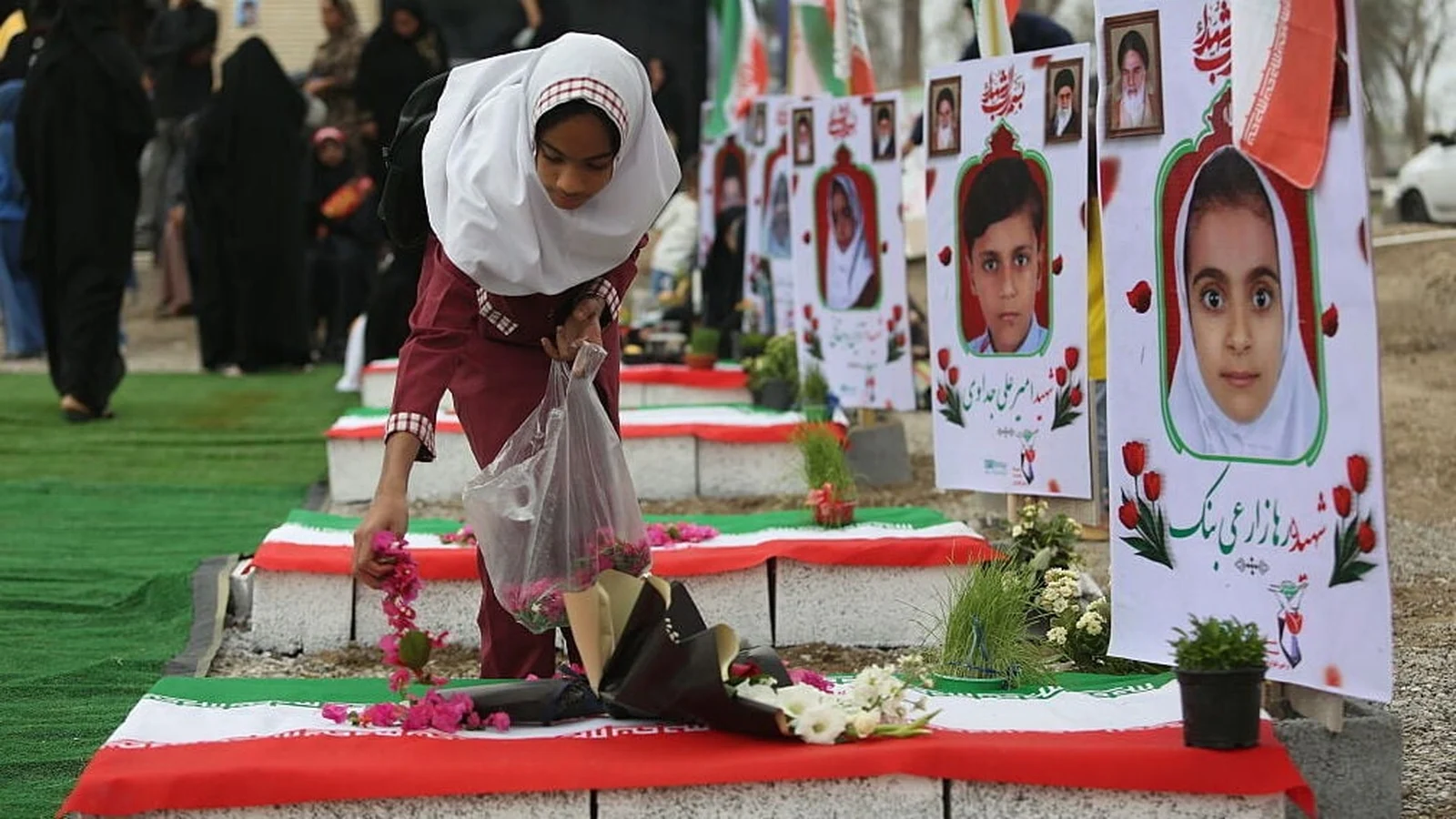
If US responsibility is ultimately confirmed, the Minab school strike would rank among the worst single incidents of civilian casualties caused by American military action in decades of engagement across the Middle East — a sobering benchmark that has lent urgency to calls from Geneva, Washington, and beyond for transparency and accountability.
The regional war, now entering its second month, began on February 28 with coordinated US-Israeli strikes. Iran has conducted retaliatory operations against Israeli territory, American military installations, and targets in Gulf states since the conflict erupted. The school strike on its opening day has become the conflict’s most contested and consequential single incident, with its full legal and political ramifications still unfolding.