The war in Ukraine has evolved far beyond the artillery duels and armoured thrusts that defined 20th-century European conflict. Since Russia launched its full-scale invasion, the battlefield has been transformed by a relentless technological arms race — one in which machines are increasingly taking the place of soldiers on the front line.
Swarms of spy and killer drones now dominate Ukrainian skies. Uncrewed boats have crippled Russia’s Black Sea Fleet. And in the most significant development yet, Ukraine has embarked on a sweeping programme to deploy armed robots on the ground, fielding what military officials describe as the world’s first dedicated uncrewed ground vehicle (UGV) battalion.
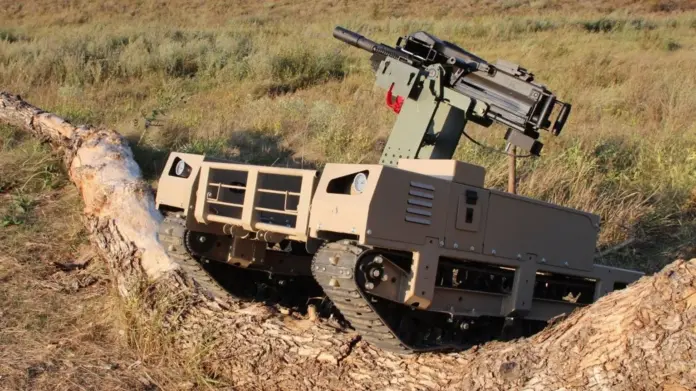
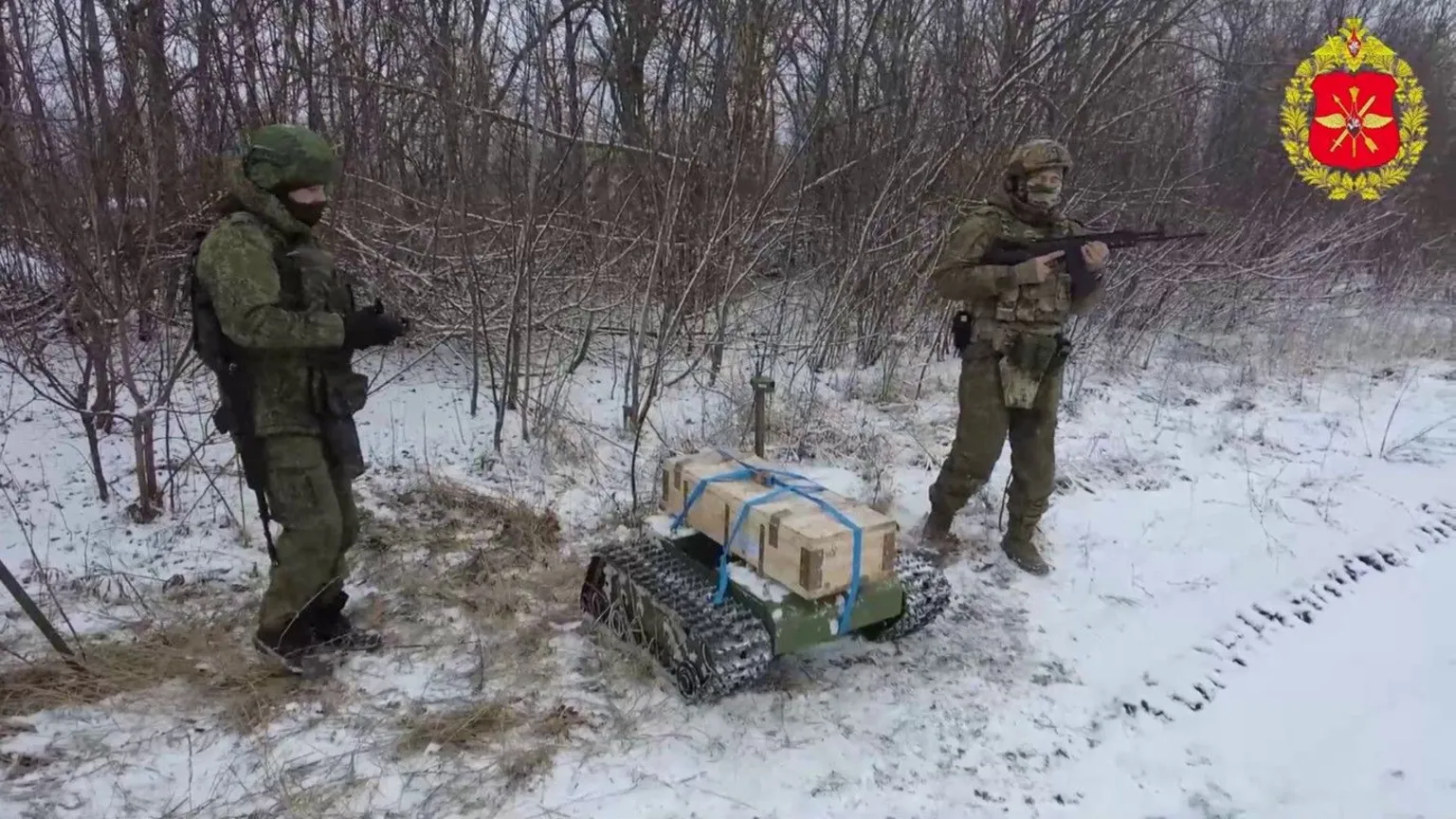
That unit falls under the K2 brigade, commanded by Oleksandr Afanasiev, and represents a doctrinal leap that other militaries are watching closely. Ukrainian UGVs have been mounted with Kalashnikov machine guns and grenade launchers, fitted with explosive-laden kamikaze systems, and tasked with planting landmines and barbed wire in contested terrain. The majority, however, serve a less dramatic but equally vital role — ferrying supplies to forward positions and evacuating wounded soldiers under fire.
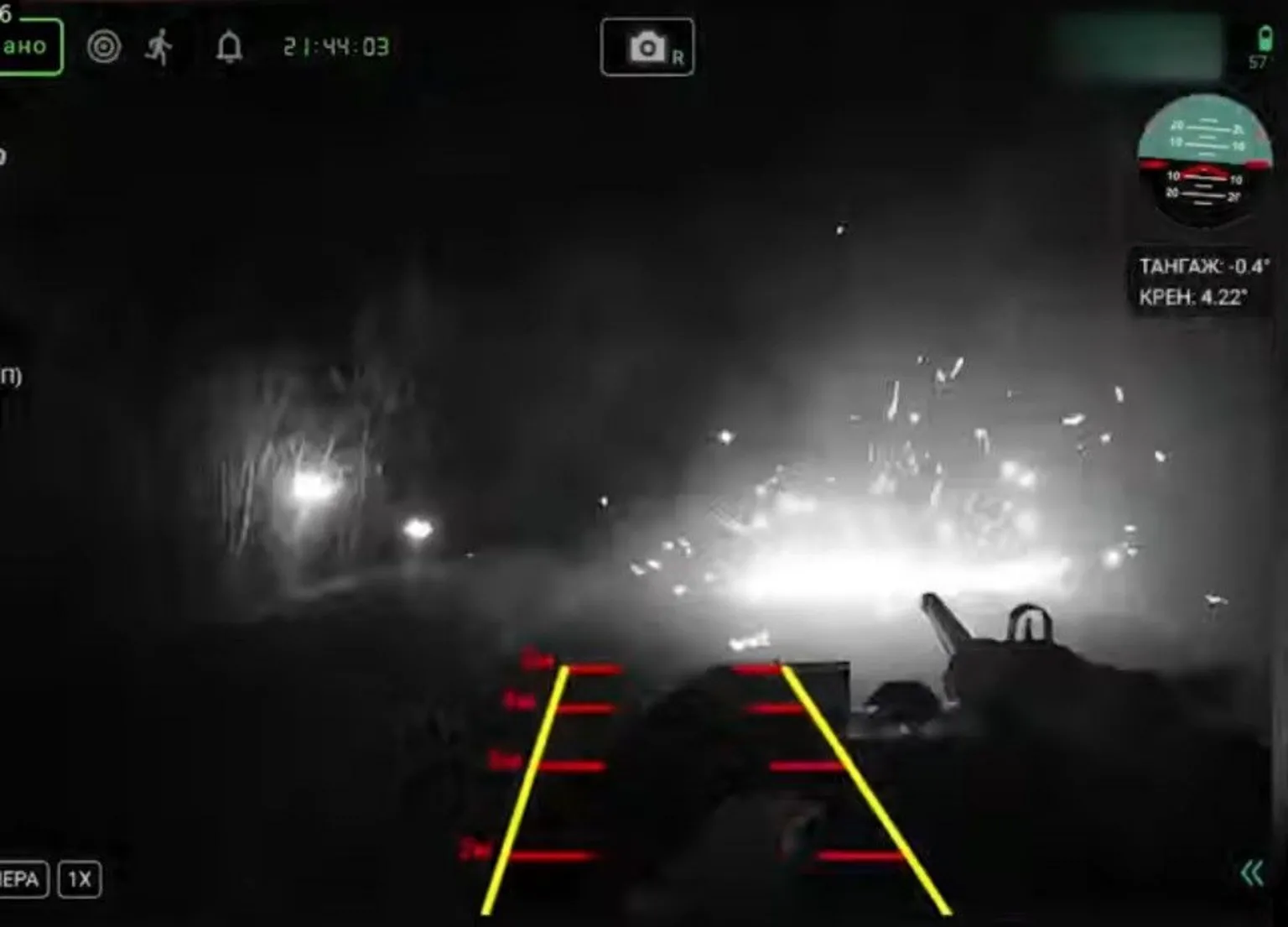
The battlefield impact is already tangible. A commander in the 33rd Detached Mechanised Brigade, known by the callsign Afghan, described a UGV armed with a machine gun successfully ambushing a Russian personnel carrier. In a separate incident, a single robot defended a Ukrainian position for weeks without requiring a human presence. Afghan also cautioned, however, that robots can misidentify targets — a key reason Ukrainian military doctrine places the decision to open fire firmly in human hands. Operators control lethal action; the machines move, observe, and detect.
‘Modern UGVs are part-autonomous,’ Afghan noted, underscoring the hybrid nature of the systems. ‘They can navigate and identify threats, but the trigger is always pulled by a person.’
The industrial scale of Ukraine’s robotics push is striking. Devdroid, a Ukrainian UGV manufacturer led by CEO Yuriy Poritsky, produced hundreds of strike droids for the military last year and is now developing a failsafe system that allows ground drones to return autonomously if communications are severed. Tencore, another domestic producer directed by Maksym Vasylchenko, delivered more than 2,000 UGVs to the Ukrainian army in 2025 alone. Vasylchenko projects demand will surge to approximately 40,000 units in 2026, with at least 10 to 15 percent of those platforms expected to carry weapons.
The strategic logic driving this expansion is straightforward and urgent. Ukraine has faced severe manpower shortages throughout the conflict, and the human cost of frontline exposure has grown dramatically. Valerii Zaluzhnyi, Ukraine’s former commander-in-chief and now ambassador to the United Kingdom, addressed the issue directly at the Chatham House think-tank, warning that drone capabilities have extended the battlefield kill zone to between 20 and 25 kilometres from the line of contact. That range makes conventional troop movements extraordinarily dangerous, accelerating the push to replace human bodies with machines wherever possible.
Russia is not standing still. Moscow has developed the Kuryer combat UGV, a platform that can be equipped with a flamethrower and heavy machine gun and is capable of operating autonomously for up to five hours. Russian forces have also deployed Lyagushka kamikaze vehicles — small, explosive-laden uncrewed platforms used to detonate against Ukrainian defensive positions.
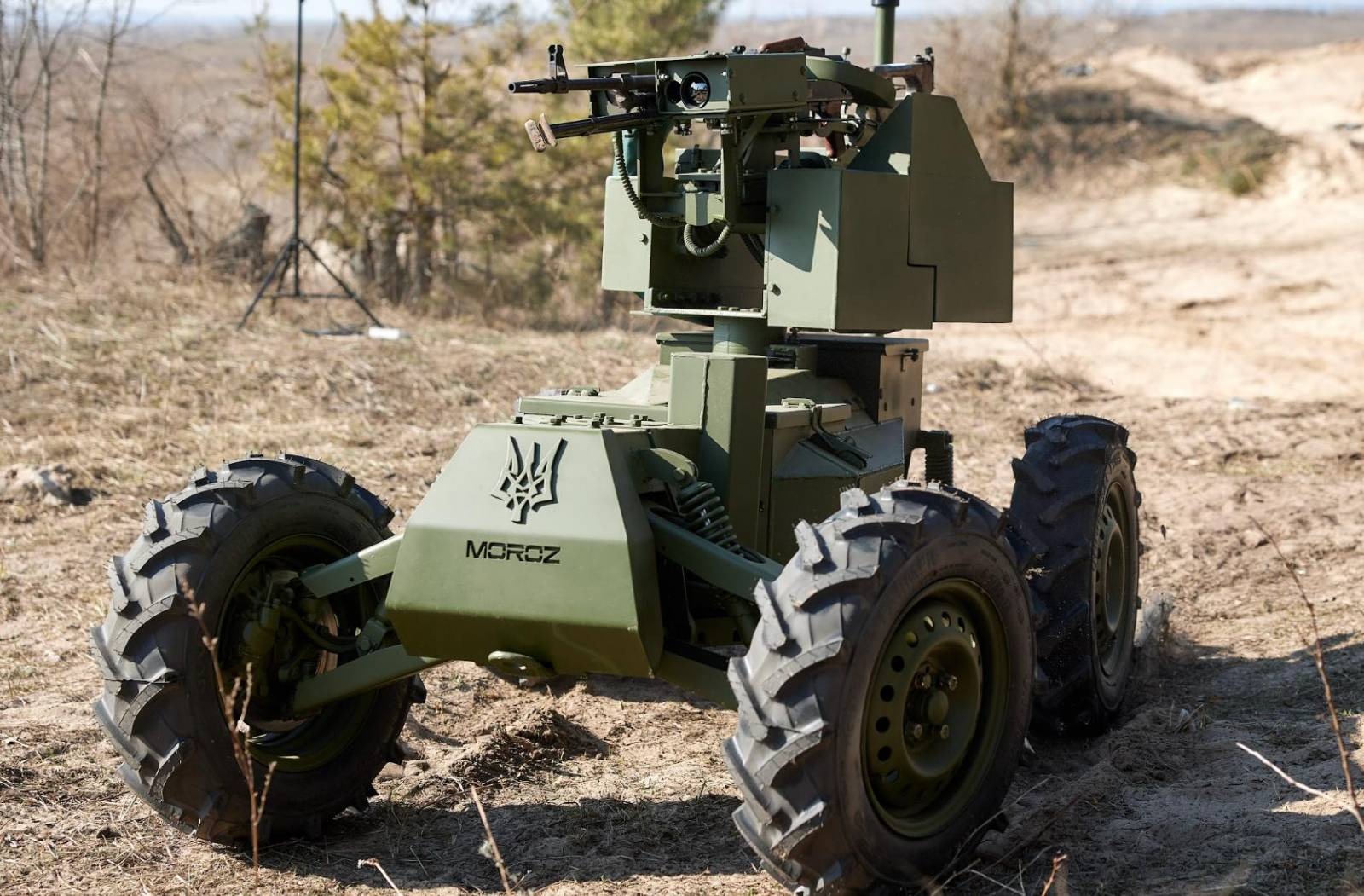
The parallel development of ground robotics on both sides signals that UGVs are no longer experimental curiosities but established tools of modern warfare. Ukraine’s experience — hard-won through battlefield trial and error — is providing a live-fire testing environment that no simulation could replicate. Manufacturers are iterating rapidly, operators are developing new tactics, and commanders are rewriting doctrine in real time.
What is emerging on Ukraine’s eastern front is a new template for high-intensity conflict: one where the front line is increasingly held not by soldiers in trenches, but by machines directed from positions of relative safety kilometres away. The human cost of that shift, measured in lives preserved rather than lost, may ultimately prove to be the most consequential innovation of the entire war.