CHEBOKSARY, Russia — Ukrainian forces struck a drone and missile manufacturing plant deep inside Russian territory on Tuesday, deploying a newly developed cruise missile capable of reaching Moscow itself, in one of the most significant long-range attacks of the war.
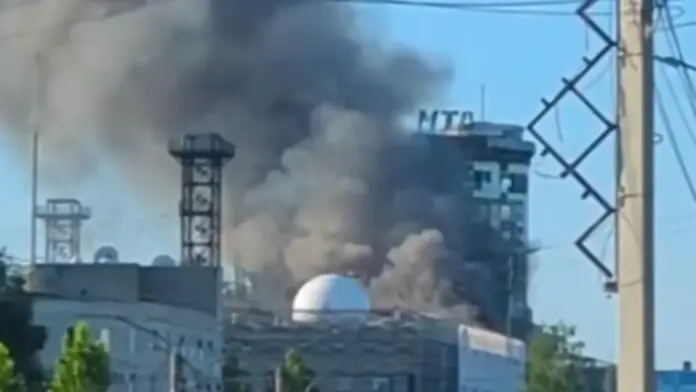
Ukraine Cruise Missile Strike — The FP-5 Flamingo cruise missiles hit the VNIIR-Progress plant in Cheboksary, the capital of the Chuvash Republic, a facility used in the production of weapons systems that Ukraine says have been turned against its own cities. The strike site lies more than 900 kilometres — roughly 560 miles — from the front line, underscoring a dramatic expansion in Ukraine’s ability to project force into the Russian heartland.
A fire broke out at the plant following the impact. Local officials confirmed three people were injured. Oleg Nikolaev, the head of the Chuvash Republic, publicly acknowledged the attack on Cheboksary, one of the few Russian regional officials to confirm a strike of this nature.
Recommended Reading
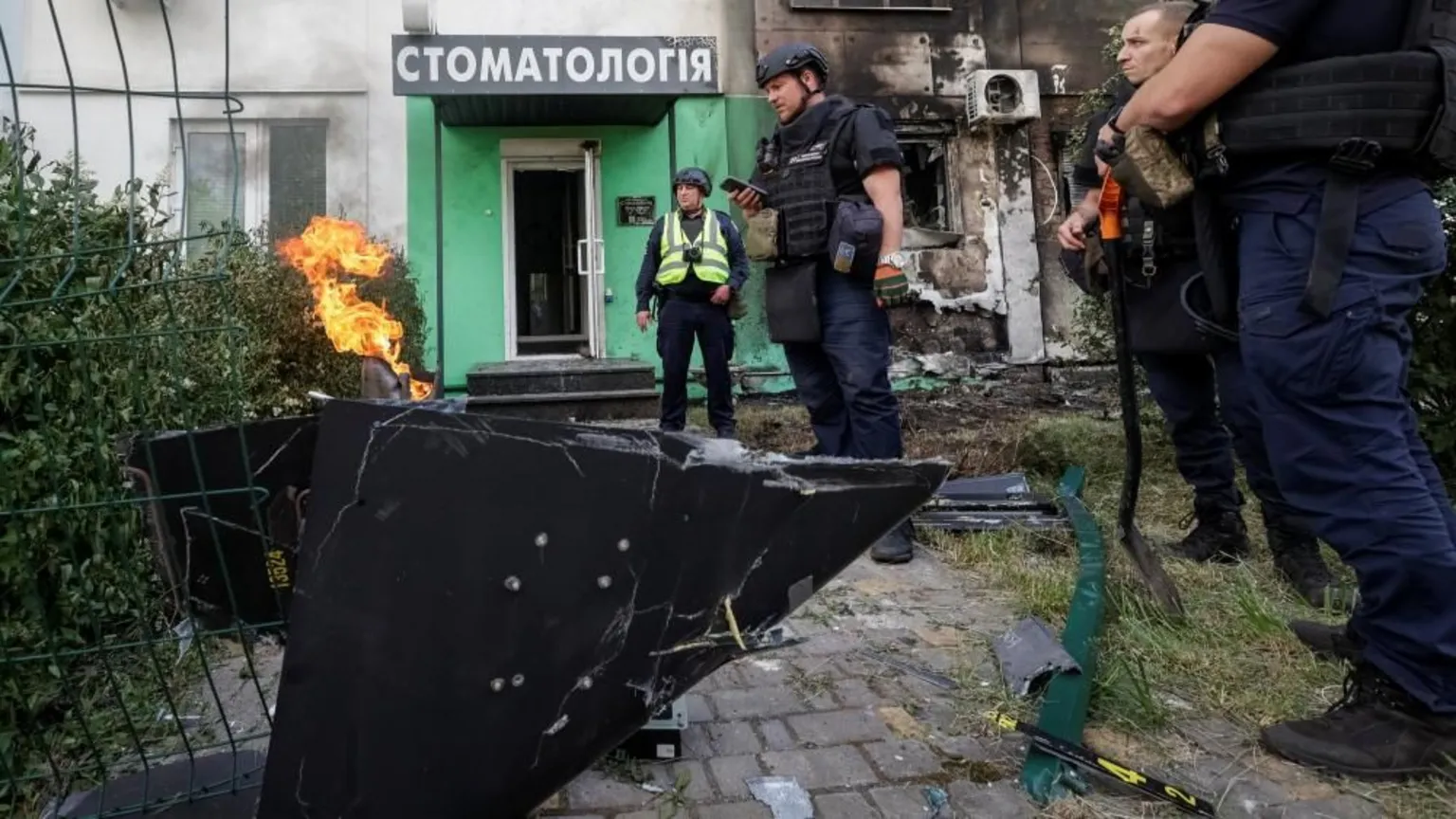
President Volodymyr Zelensky confirmed the operation, framing it as part of a broader overnight campaign that also targeted the Moscow-occupied port of Mariupol on the Sea of Azov, an oil refinery in the city of Samara, and a so-called ‘shadow fleet’ oil tanker operating in the Black Sea. Kyiv has consistently maintained that energy infrastructure and weapons production sites are legitimate military targets, arguing they sustain Vladimir Putin‘s capacity to wage war.
The FP-5 Flamingo carries a formidable 1,150-kilogram warhead — equivalent to more than 2,500 pounds of explosive force — and boasts a reported operational range of 3,000 kilometres. That reach places not only Cheboksary but Moscow and other major Russian population centres within potential striking distance, a development that represents a significant shift in the strategic calculus of the conflict.
Deep-strike missile attacks of this kind inside Russian territory have remained rare throughout the war. Ukraine has increasingly relied on drone campaigns to harass Russian logistics and energy networks, but the use of a domestically developed cruise missile at this range signals a new phase in Kyiv’s military capabilities. Ukraine has been working alongside Western allies to develop and expand its missile arsenal, and the Flamingo appears to be among the most advanced products of that effort.
The strikes came amid a ferocious overnight exchange of aerial attacks in both directions. Russia’s military claimed its air defence units intercepted or destroyed 326 Ukrainian drones across multiple regions. Ukraine’s air force, for its part, reported shooting down 181 of the 207 drones Russia launched during the same period — but acknowledged 21 direct hits across 14 separate locations.
The human toll from Russian drone strikes was immediate. At least two people were killed and 26 others wounded — including two children — across four Ukrainian regions in the preceding 24 hours, Ukrainian officials reported.
Ukraine Cruise Missile Strike: The Wider European Impact
On the diplomatic front, the war remains as frozen as the front lines themselves. Putin has rejected all negotiation proposals put forward to date, and despite his public insistence that Russian forces are advancing across the entire front, independent assessments indicate the line of contact has remained largely static for several months. The gap between Moscow’s battlefield narrative and observable reality has widened considerably.
In recent months, Ukraine’s military has intensified its campaign of drone and missile strikes against key facilities on Russian soil, targeting fuel depots, refineries, and now weapons plants. The strategy reflects Kyiv’s effort to impose economic and industrial costs on Russia while conventional ground operations remain largely deadlocked.
The strike on Cheboksary is likely to intensify debate within Russia about the vulnerability of its interior cities, which have largely been shielded from the direct consequences of a war that has devastated Ukrainian urban centres. For Ukraine, it represents a demonstration that the conflict’s geography is no longer defined solely by the trenches of the Donbas.