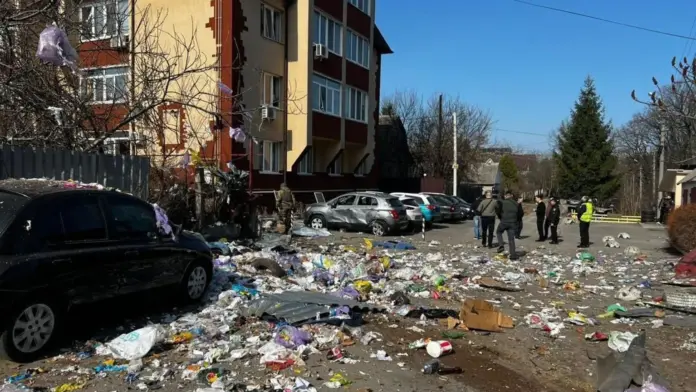
Two police officers were hospitalised after a pair of improvised explosive devices detonated on a residential street in Bucha, a town in Kyiv Oblast, in the early hours of Monday, March 23 — an attack Ukrainian authorities have condemned as a deliberate act of terrorism orchestrated by Russian intelligence.
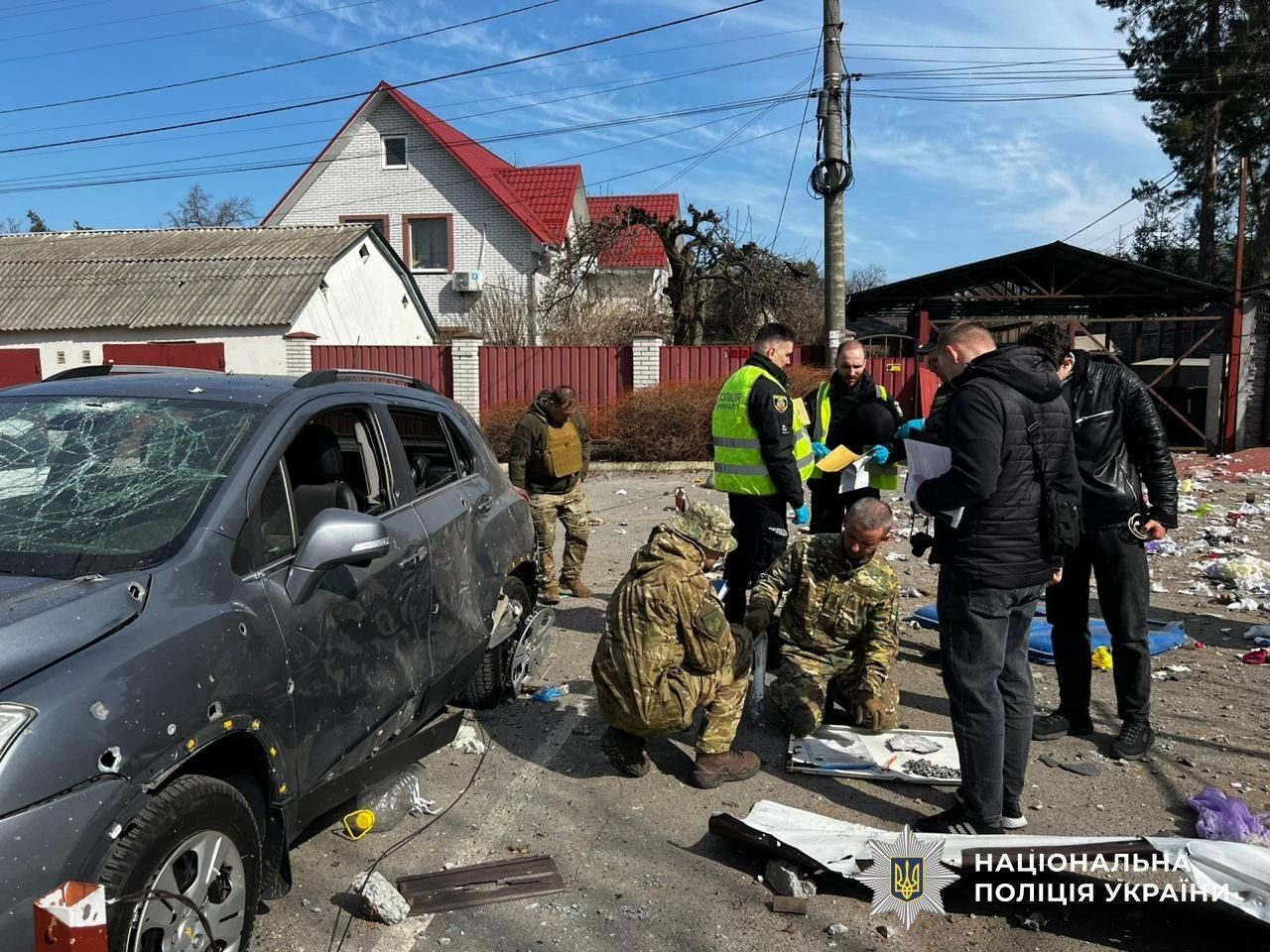
The first blast was reported at 5:35 a.m. local time, when an explosion near the entrance of a multi-storey residential building shattered windows and prompted an emergency response. As police officers, first responders, and explosives experts converged on the scene, a second device detonated. Both officers sustained moderate injuries to their limbs; the Kyiv Regional Military Administration confirmed their lives are not in danger.
Within hours, Ukrainian police and the Security Service of Ukraine (SBU) detained a 21-year-old local man in connection with the attack. Investigators say the suspect had been recruited online and instructed to construct two mobile-phone-activated IEDs — one concealed beneath a bench near a building entrance, the other planted beside a garbage container. The deliberate placement of the second device near the expected emergency response zone suggests a calculated effort to maximise casualties among law enforcement.
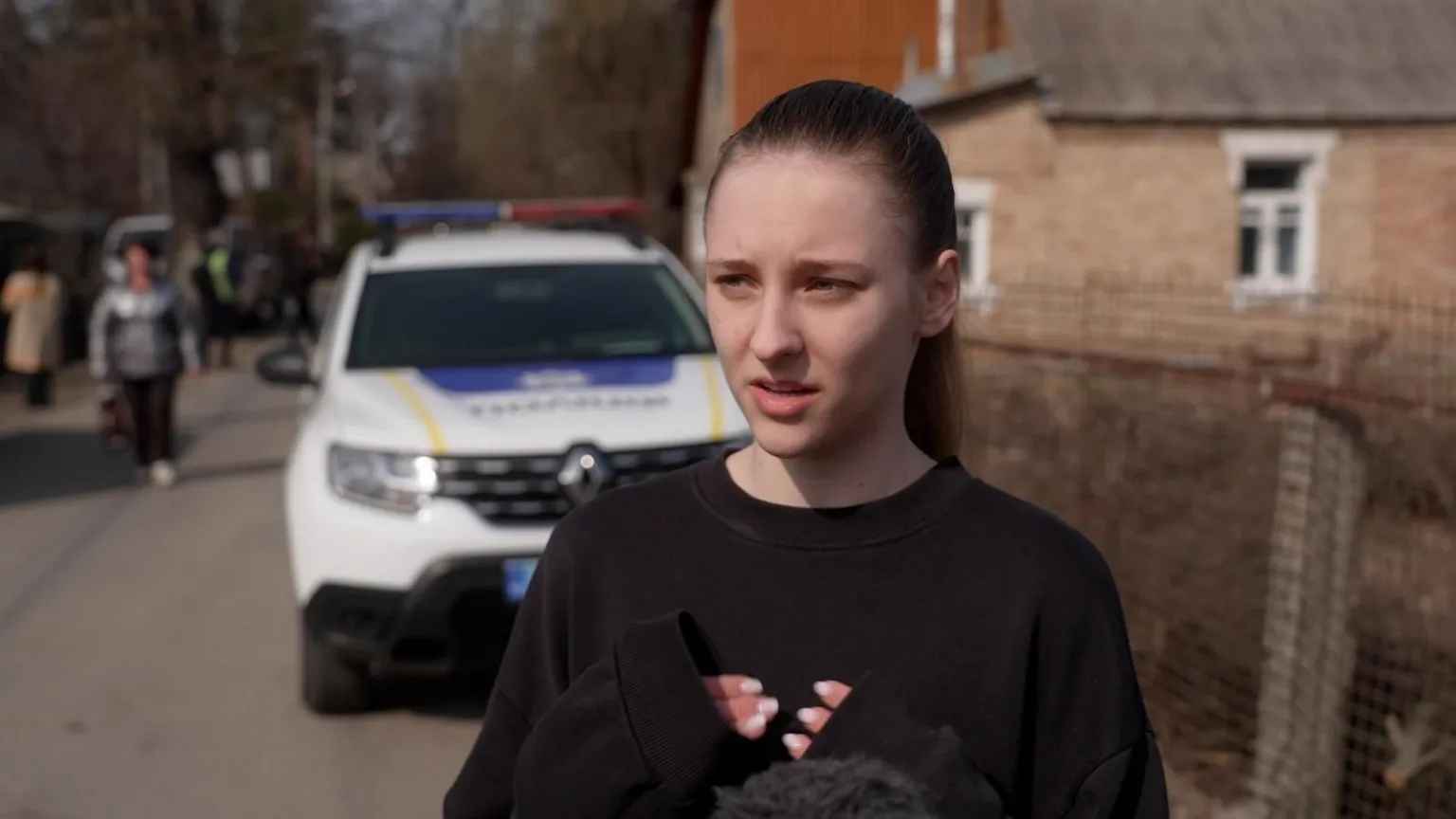
Andriy Kravchuk, head of the Kyiv Region Criminal Investigations Directorate, addressed media at the scene and confirmed the suspect had received instructions on building the devices remotely. The suspect was promised 25,000 hryvnyas — approximately £450 or $570 — for each explosion carried out.
The recruitment channel has drawn particular attention: the suspect was contacted through the popular online game World of Tanks, where an unknown individual allegedly established a relationship before turning to coercion. The suspect claims he was blackmailed rather than acting willingly, telling investigators that his handler threatened to harm his mother and asserted the ability to monitor her movements via drone. He says he planted the explosives believing it was the only way to ensure her safety.
The SBU has publicly described the suspect as ‘a Russian agent’, asserting that Russian intelligence services were behind the recruitment and direction of the attack. Ukrainian police have not independently confirmed a direct link to Russia in their formal investigation, and the suspect has been charged with terrorism.
The Bucha bombing is not an isolated incident. On February 22, a bomb detonated in Lviv after police arrived to investigate a prior explosion at the same location — a near-identical double-blast tactic. One police officer was killed and more than 20 people were injured in that attack. Investigators subsequently identified the perpetrator as a Ukrainian woman paid by Russian secret services. The following day, February 23, a bomb targeted police officers gathered at a disused station in Mykolayiv, injuring seven. Hours later, a separate explosion struck outside a police building in Dnipro.
The pattern is unmistakable. Since Russia launched its full-scale invasion of Ukraine, Russian intelligence services have been linked to a sustained campaign of assassinations, bombings, and arson attacks across the country — increasingly exploiting civilian intermediaries, often through digital platforms, to maintain operational distance.
The use of an online gaming environment as a recruitment and coercion tool underscores the evolving nature of this hybrid campaign. Vulnerable individuals, reachable through mainstream consumer platforms, are being manipulated or threatened into carrying out attacks that serve strategic objectives far removed from their own lives.
Local resident Viktoria Ivasyshyna, 21, was among those who heard the explosion in Bucha, a town already etched into global consciousness following the discovery of civilian killings there in the early weeks of the 2022 invasion. That the town has now become a target for a new form of Russian-directed violence adds a grim dimension to its ongoing significance in the war.
The suspect remains in custody, facing terrorism charges that carry severe penalties under Ukrainian law. Authorities have indicated the investigation is continuing as they work to identify and locate those who directed the operation from abroad.