Spain has formally barred the United States from using its two jointly operated military installations for operations against Iran, as the socialist government of Prime Minister Pedro Sánchez condemned US and Israeli strikes as an illegal and dangerous escalation — a stance that sets Madrid sharply apart from its major European allies.
The US and Israeli military offensive against Iran began on Saturday, launched under the direction of President Donald Trump and Israeli Prime Minister Benjamin Netanyahu. Sánchez, speaking in Barcelona on both Saturday and Sunday, described the strikes as an ‘unjustified’ and ‘dangerous military intervention’ that falls outside the bounds of international law. His government has been among the most vocal European critics of Israeli military conduct since the Gaza conflict began.
Foreign Minister José Manuel Albares reinforced that position on Monday, stating unequivocally that Naval Station Rota and Morón Air Base — the two installations in southern Spain jointly operated with the United States but remaining under Spanish sovereignty — are not being used for the military operation against Iran. Any use of Spanish territory, Albares said, must align with the UN Charter and the bilateral agreement governing the bases. Defence Minister Margarita Robles added that the installations would provide no operational support, except in circumstances involving humanitarian necessity.
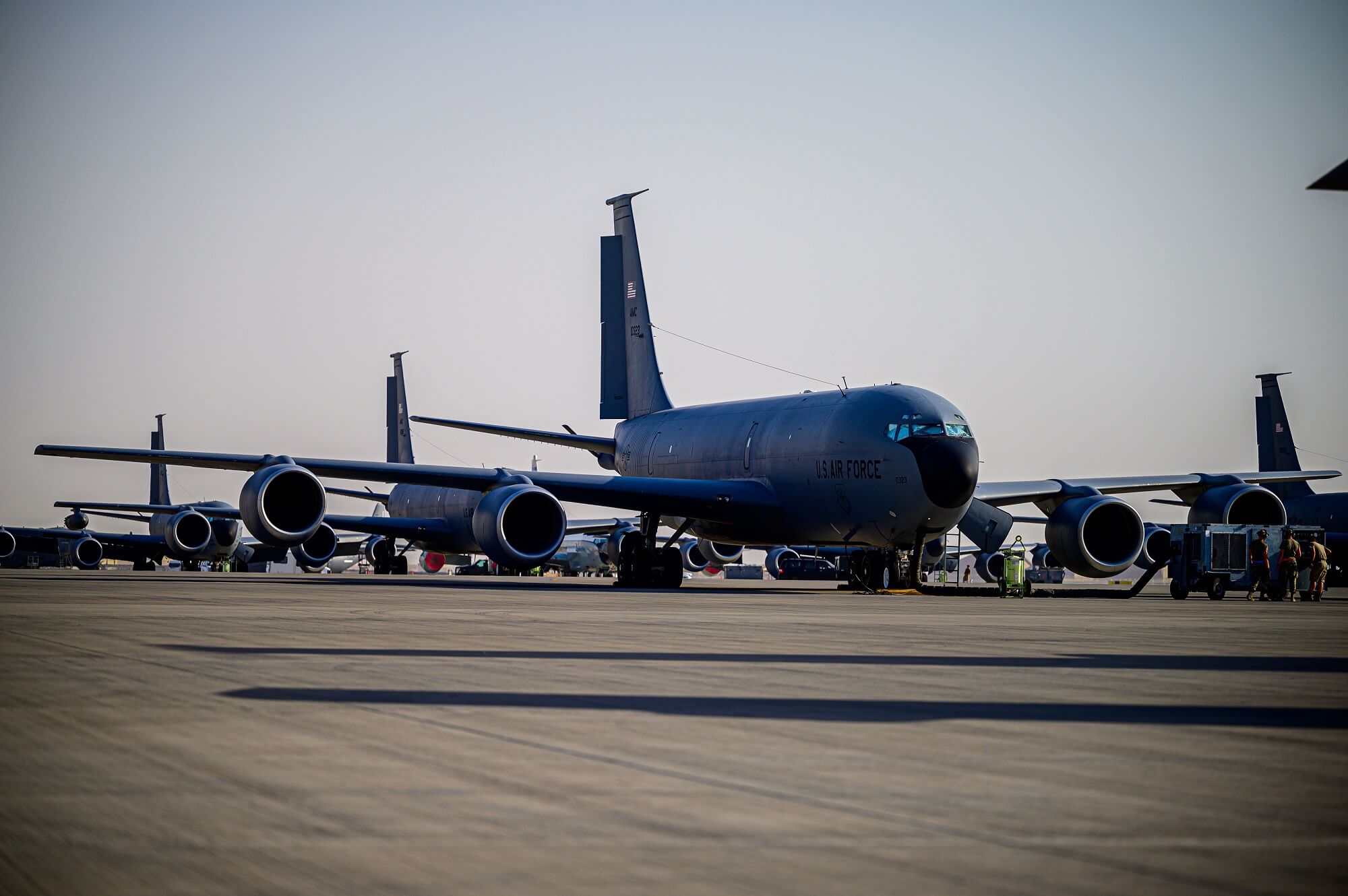
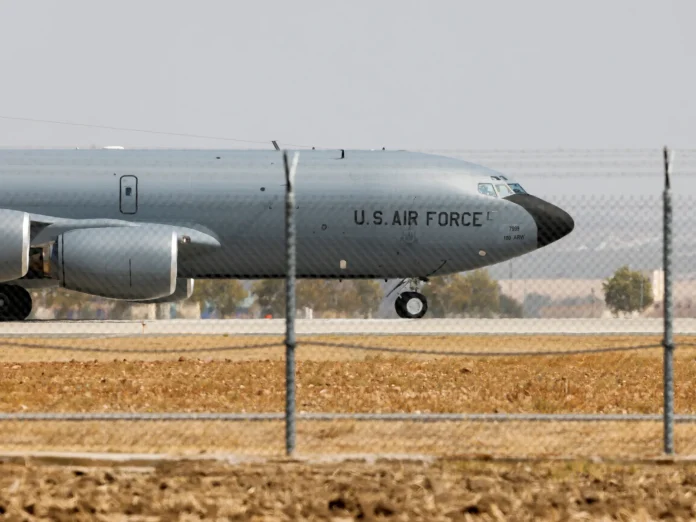
The Spanish government’s position was complicated almost immediately by flight-tracking data. FlightRadar24 maps published Monday showed at least 15 US military aircraft departing Rota and Morón since the strikes began over the weekend. At least seven of those aircraft subsequently landed at Ramstein Air Base in Germany. The departing planes were identified primarily as aerial refuelling tankers, including the Boeing KC-135 Stratotanker. US defence officials declined to comment on the reasons for the departures, leaving the movements open to interpretation.
The aircraft activity has raised pointed questions about whether Spain’s declared restrictions are being fully observed in practice, even as Madrid insists the bases are not supporting offensive operations against Iran.
Spain’s refusal stands in stark contrast to the positions adopted by Britain, France, and Germany. The United Kingdom initially withheld authorisation for US forces to use Diego Garcia or British airbases, citing doubts about the legal basis of the strikes. That position shifted dramatically on Sunday after Iran launched a wave of retaliatory missile and drone attacks on US assets and energy infrastructure across the Middle East and Gulf region. One Iranian missile or drone struck a British airbase in Cyprus. Prime Minister Keir Starmer subsequently authorised the use of British bases for what London characterised as ‘collective self-defence.’
France and Germany also signalled readiness to allow their bases to support operations connected to the Iran crisis. On Sunday, the three European powers — Britain, France, and Germany — issued a joint statement condemning Iranian retaliatory strikes as ‘indiscriminate and disproportionate’ and pledging to work alongside the United States and regional allies. German Chancellor Friedrich Merz is scheduled to meet Trump in Washington on Tuesday, with the Iran crisis expected to dominate discussions.
Spain notably condemned Iran’s retaliatory attacks on Gulf countries as well, but the government has maintained a firm distinction between opposing Iranian aggression and endorsing the original US-Israeli offensive. Madrid’s position reflects both its legal framework — that base usage must conform to the UN Charter — and the political instincts of Sánchez, who has consistently positioned himself as a critic of military action in the region.
The divergence within Europe over base access underscores the fractured nature of the continent’s response to the rapidly escalating conflict. European Commission President Ursula von der Leyen has not yet issued a unified EU position. Trump, meanwhile, has previously criticised Spain for resisting NATO’s proposed 5% defence spending target, adding a layer of transatlantic tension to an already strained relationship.
With Iranian counterstrikes continuing to ripple across the Middle East and Gulf energy infrastructure under threat, the pressure on European governments to align more closely with Washington is likely to intensify — leaving Spain increasingly isolated in its refusal to open its bases to the US military campaign.