WASHINGTON, D.C. — The U.S. Senate on Wednesday voted 47-53 to block a war powers resolution aimed at halting what critics describe as an unauthorized military campaign against Iran, delivering a significant legislative victory to President Donald Trump even as opposition lawmakers warned of a deepening and potentially open-ended conflict.
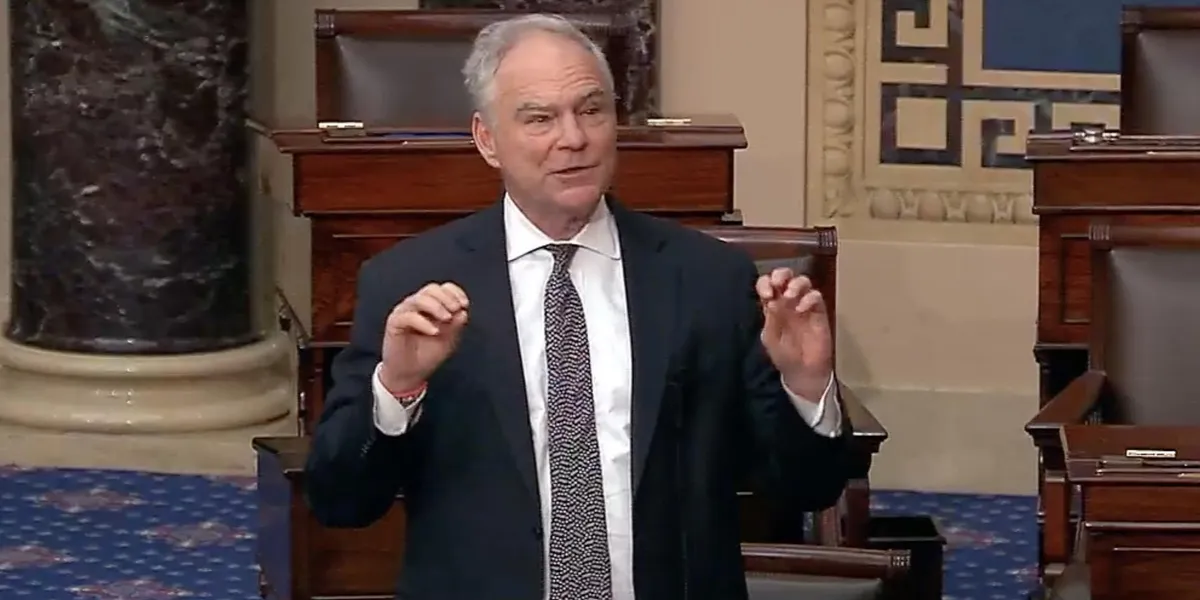
The resolution, sponsored by Senator Tim Kaine of Virginia and co-sponsored by 26 colleagues, sought to invoke the 1973 War Powers Act, which requires presidents to seek congressional approval after committing U.S. forces to military action for more than 60 days. The vote broke down largely along party lines, with only one Republican and one Democrat crossing the aisle.
The Trump administration launched its military offensive against Iran on February 28, framing the campaign as a necessary response to what it characterised as an imminent threat. The U.S. and Israel had jointly initiated hostilities the previous Saturday, with Iran subsequently retaliating through actions that have rippled across the broader Middle East.
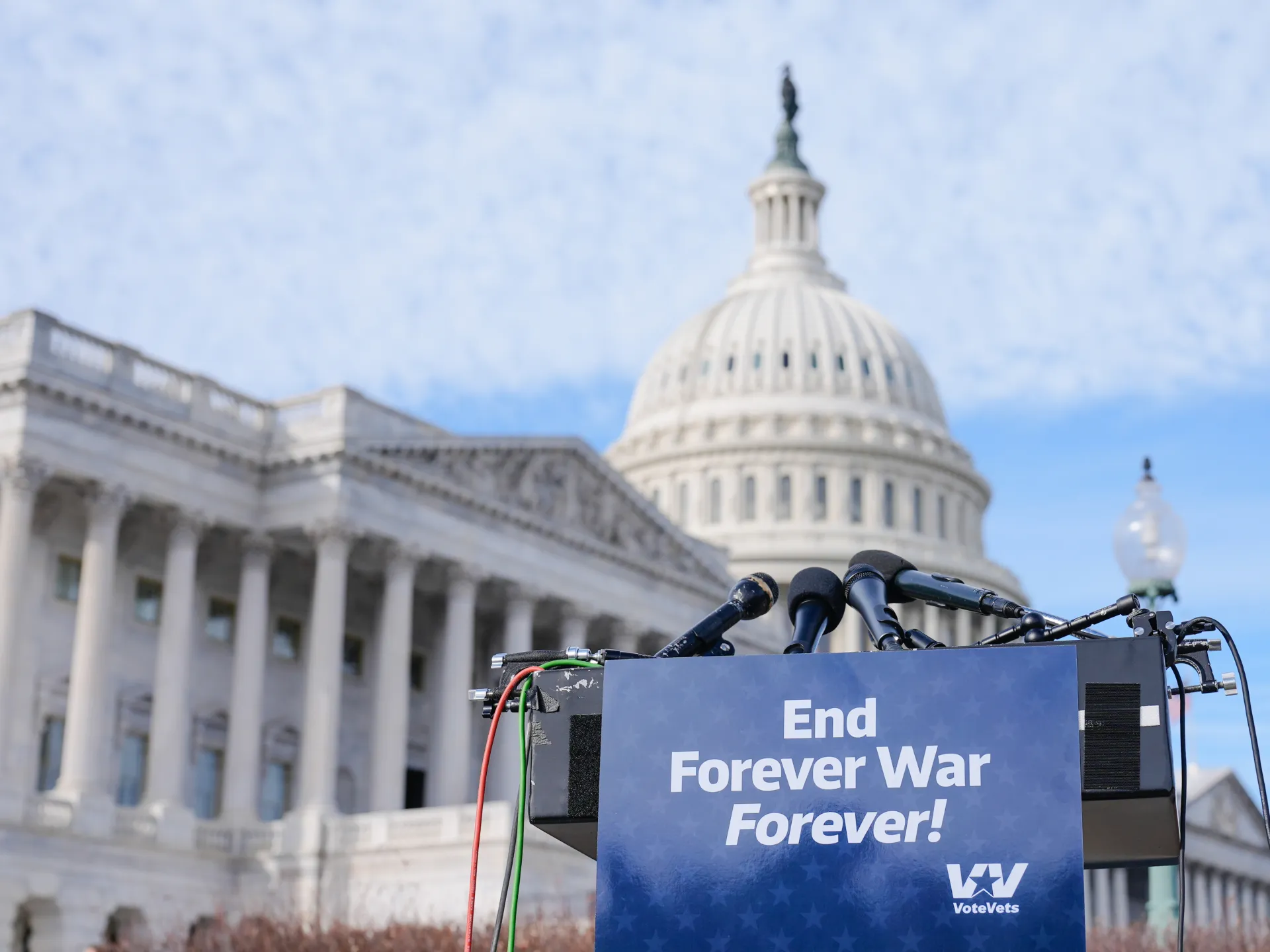
Senate Minority Leader Chuck Schumer was blunt in his criticism ahead of the vote, warning that the administration had provided ‘zero clarity’ on its end goals or timeline during recent congressional briefings. Schumer said he fears the White House is laying the groundwork to deploy ground troops — a prospect that alarmed many of his Democratic colleagues.
Senator Dick Durbin drew a stark historical parallel, comparing the trajectory of the current conflict to the 2003 invasion of Iraq, a war that ultimately lasted nine years. Senator Kaine went further, arguing that the Trump administration had been unable to produce credible evidence of an imminent Iranian threat to justify the offensive.
The administration’s stated justifications have themselves shifted. Secretary of State Marco Rubio told reporters that Israel was planning to strike Iran, prompting the U.S. to act. Trump later contradicted that framing, asserting instead that Iran had been planning an imminent attack on Israel. The president has also claimed that Iran’s nuclear programme was ‘obliterated’ in strikes carried out last year, while simultaneously arguing the country was seeking to rebuild its nuclear capabilities and develop a long-range missile capable of reaching the United States.
Those strikes last June came during a 12-day war led by Israel — and notably, they occurred while the U.S. and Iran were engaged in active negotiations to scale back Tehran’s nuclear activities.
Pentagon chief Pete Hegseth offered little reassurance to those seeking a swift conclusion, stating Wednesday that the operation had ‘just begun’ and that additional U.S. military assets were being moved into the region. Trump himself projected the conflict could last ‘four to five weeks,’ though Republican Senator James Risch sought to downplay concerns, citing 47 years of Iranian ‘sabre-rattling’ and insisting the conflict would be resolved quickly and was ‘not a forever war.’
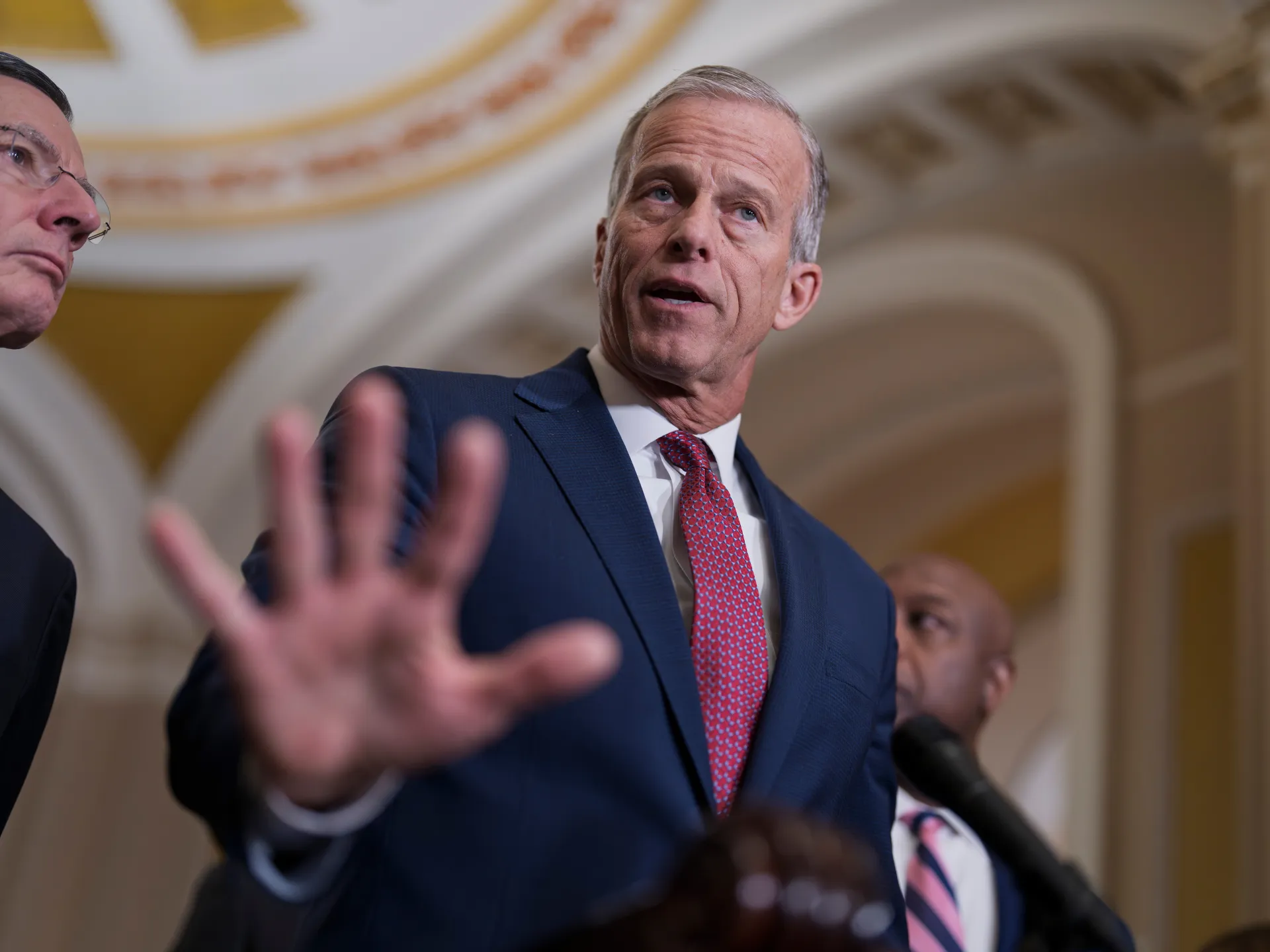
Republican Senator John Barrasso outlined the administration’s broader objectives as the destruction of Iran’s missile industry, naval capabilities, and what he described as its terrorist proxy network — an expansive set of goals that critics argue underscores the lack of a defined exit strategy.
The arithmetic in both chambers makes a legislative override of presidential authority exceptionally difficult. Republicans hold 53 seats in the Senate to the Democrats’ and independents’ 47, while in the House, Republicans hold 218 seats to Democrats’ 214. Even if a war powers resolution were to pass both chambers — a prospect that remains uncertain — Trump has signalled he would veto it, and a two-thirds majority in both houses would be required to override that veto.
The coalition backing the resolution was itself imperfect. Rand Paul, the libertarian-leaning Republican senator from Kentucky, co-sponsored the measure — a rare instance of bipartisan alignment on restraining executive war-making powers. But Democrat John Fetterman broke with his party to oppose it, narrowing the resolution’s already slim margins.
A companion measure is scheduled for an initial vote in the U.S. House of Representatives on Thursday. Congress has introduced multiple measures since June 21 attempting to constrain Trump’s military campaigns in both Iran and Venezuela.
Advocacy groups tracking the legislation expressed frustration at the outcome. Cavan Kharrazian, a senior policy adviser at Demand Progress, and Hassan El-Tayyab, legislative director for Middle East policy at the Friends Committee on National Legislation, have both been closely monitoring the congressional response to the conflict. Early polling data suggests the American public holds a deeply unfavourable view of the strikes, adding political pressure even as the legislative effort stalled.
The Trump administration has consistently framed Iran’s conduct since the 1979 Islamic Revolution as representing a continuous and immediate threat to U.S. and regional security — a posture that supporters argue justifies robust executive action and that opponents contend has been used to circumvent the constitutional role of Congress in authorising war.