Russia Strikes Ukrainian Gas — Russian forces launched a sweeping overnight missile and drone assault on Ukrainian energy infrastructure, killing at least five people and wounding 37 others in strikes that targeted gas facilities across the Poltava and Kharkiv regions. The attack underscored the deepening toll on civilian energy systems even as diplomatic signals around a potential ceasefire grew louder.
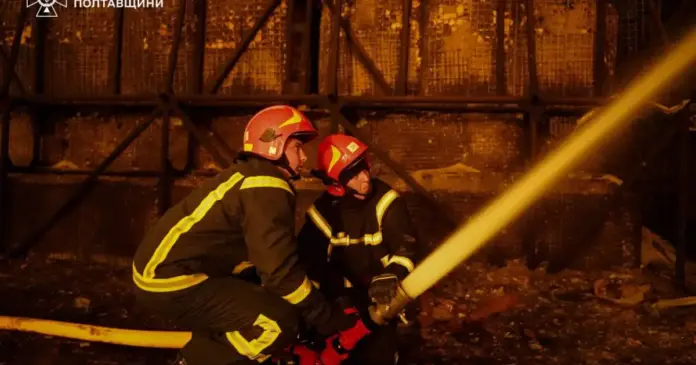
Three employees of Naftogaz, Ukraine’s state energy company, died in the strikes, along with two emergency service rescuers who were killed while responding to the scene. The assault cut gas supply to nearly 3,500 customers, compounding the humanitarian strain on communities already enduring months of infrastructure warfare.
Naftogaz CEO Serhiy Koretskyi confirmed the deaths of his company’s staff as rescue and repair crews worked to assess the full extent of the damage. The loss of frontline energy workers further stretches Ukraine’s capacity to maintain and restore critical systems under sustained bombardment.
Recommended Reading
Russia fired 11 ballistic missiles and 164 drones at Ukraine beginning at 6pm on Monday. Ukrainian air defences intercepted one missile and 149 drones, but eight missiles and 14 drones broke through, striking 14 separate locations across the country. The combined use of unmanned aerial vehicles and ballistic missiles reflects a persistent Russian strategy of overwhelming air defence networks through volume and variety.
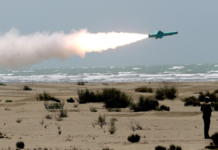
Ukraine struck back on Tuesday, launching an attack on the Kirishinefteorgsintez oil refinery in the town of Kirishi in Russia’s Leningrad region. The strike ignited a fire in an industrial area of the facility. Leningrad Governor Alexander Drozdenko confirmed the incident, and no casualties were reported from the attack.
The targeted refinery is one of Russia’s most significant petroleum processing sites. In 2024, it processed 17.5 million metric tonnes of oil — equivalent to roughly 350,000 barrels per day — accounting for 6.6 percent of Russia’s total national refining output. The facility produced 2 million tonnes of petrol, 7.1 million tonnes of diesel, 6.1 million tonnes of fuel oil, and 600,000 tonnes of bitumen that year, making it a strategically valuable target for Ukrainian forces seeking to degrade Russian energy revenues and military logistics.
The Russian Ministry of Defence claimed its air defence systems destroyed 289 Ukrainian drones over Russian territory overnight, though the successful strike on the Kirishi refinery demonstrated that Ukrainian long-range capabilities remain operationally effective.
The exchange of strikes occurred against a backdrop of competing ceasefire overtures that have so far failed to produce any halt in hostilities. Ukrainian President Volodymyr Zelenskyy proposed a pause in fighting beginning on the night of May 5, framing it as a humanitarian gesture and a test of Russian intentions. Russian President Vladimir Putin, meanwhile, declared a two-day ceasefire for May 8 and 9 to coincide with Russia’s commemoration of its World War II victory — a symbolic gesture Kyiv has treated with deep scepticism given the continued tempo of attacks.
Russia Strikes Ukrainian Gas: The Wider European Impact
The divergence between the two proposals illustrates the fundamental mistrust that has defined the conflict. Ukraine has consistently argued that short, unilateral Russian pauses serve propaganda purposes rather than genuine de-escalation, while Moscow has framed Ukrainian counter-proposals as preconditions designed to forestall Russian military objectives.
The strikes on Poltava and Kharkiv fit a well-established pattern of Russian targeting of Ukrainian energy infrastructure, particularly as colder months approach and the strategic value of gas supply networks increases. Attacks on Naftogaz facilities have repeatedly forced emergency repairs and left civilian populations without heat and power for extended periods.
The human cost of Tuesday’s assault — five dead, dozens wounded, and thousands cut off from gas supply — reinforces international calls for a durable ceasefire framework rather than the symbolic, short-term pauses both sides have proposed in recent days. With air defence resources stretched and energy workers now among the casualties, Ukraine faces mounting pressure on multiple fronts as the conflict grinds into another season of attritional warfare.