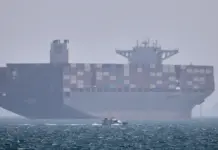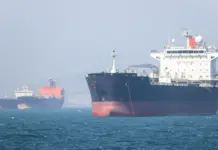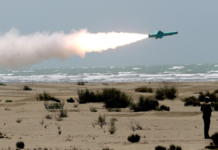
Iran Strikes Uae — Iran struck the United Arab Emirates with 15 missiles and four drones on Monday in the most serious escalation in the Persian Gulf since a ceasefire between Washington and Tehran was brokered on April 8. The UAE Defence Ministry confirmed its forces intercepted 12 ballistic missiles, three cruise missiles and all four drones, but not before one drone ignited a fire at the Fujairah Petroleum Industries Zone, wounding three Indian nationals. A separate Iranian strike targeted an empty crude oil tanker belonging to the UAE state oil firm in the Strait of Hormuz.
The UAE Foreign Ministry issued a stark warning in the aftermath, stating the country reserves its full and legitimate right to respond to the attacks. Iran denied any involvement, even as an Iranian official told state broadcaster IRIB that the Fujairah strike was a direct consequence of US policy.
The attacks triggered a cascade of international condemnation spanning the Middle East, Europe and North America. Saudi Arabia, Qatar, Kuwait and Bahrain all denounced the strikes, with Bahrain describing them as a dangerous escalation threatening regional security and stability. The Gulf Cooperation Council condemned the attack on the Emirati tanker in the strongest terms, with Secretary-General Jassim Mohammed Al Badawi expressing full support for UAE measures to preserve its sovereignty and security. Jordan’s Foreign Minister Ayman Safadi also condemned the renewed Iranian attacks.
Recommended Reading
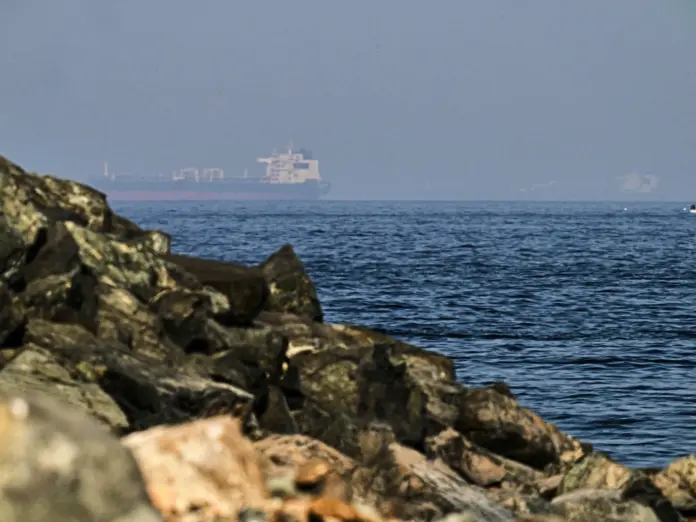
![Vessels float in the Strait of Hormuz near Bandar Abbas, Iran, on May 4, 2026 [Amirhosein Khorgooi/ISNA/WANA via Reuters]](https://world-tension.s3.us-east-2.amazonaws.com/articles/767/875726844a9e4f4cb2813460d5bff54c.webp)
Western leaders were equally forceful. French President Emmanuel Macron called the strikes unjustified and unacceptable. UK Prime Minister Keir Starmer condemned the attacks and urged Iran to engage meaningfully in negotiations to ensure the ceasefire endures. German Chancellor Friedrich Merz expressed solidarity with the UAE and called for the blockade of the Strait of Hormuz to end. EU Commissioner Ursula von der Leyen denounced the attacks as a violation of sovereignty and international law, while Canada called the strikes unprovoked and demanded de-escalation and diplomacy.
The United States responded with both military action and sharp rhetoric. President Donald Trump announced via social media that US forces had shot down seven small Iranian fast boats near the Strait of Hormuz, and warned that Iran would be "blown off the face of the Earth" if it attacked US ships. Trump also urged South Korea to join a mission to forcibly reopen the strait to commercial navigation.
The US military activated a plan designated Project Freedom on Monday, deploying naval assets to escort vessels through the Strait of Hormuz. Admiral Brad Cooper, head of US Central Command, said 50 commercial vessels have been redirected by US forces to ensure compliance with the naval operation, and that the military reached out to dozens of ships and shipping companies over a 12-hour period to encourage traffic flow. Two US merchant vessels were successfully guided through the strait. Cooper noted that ships stranded in the area belong to 87 countries, underscoring the global economic stakes of the standoff.
Ship-tracking data shows traffic through the Strait of Hormuz remains largely suspended, a situation with profound implications for global energy markets. The price of gasoline in the United States has climbed from under $3 per gallon before the conflict began to more than $4.45 on Monday. The US-Israel military campaign against Iran, launched on February 28, has dramatically reshaped the security landscape of the Persian Gulf in the weeks since.
Iran Strikes Uae: Regional Implications
A South Korean vessel suffered an explosion and fire off the UAE coast on Monday, and the United Kingdom Maritime Trade Operations reported fires on two ships in the broader area, compounding concerns about the safety of commercial shipping in one of the world’s most critical maritime chokepoints. Iran’s official news agency IRNA cited a military source denying US claims of sinking Iranian warships, while an Iranian official told Lebanese outlet Al Mayadeen that the administration of the Hormuz Strait remains fully in Tehran’s hands.
Monday’s strikes represent the first Iranian attacks on the UAE since the April 8 ceasefire agreement, raising urgent questions about the durability of that accord and the broader trajectory of the conflict. With global condemnation mounting, energy prices surging and naval forces massing in the Gulf, the pressure on all parties to prevent further escalation is intensifying by the hour.