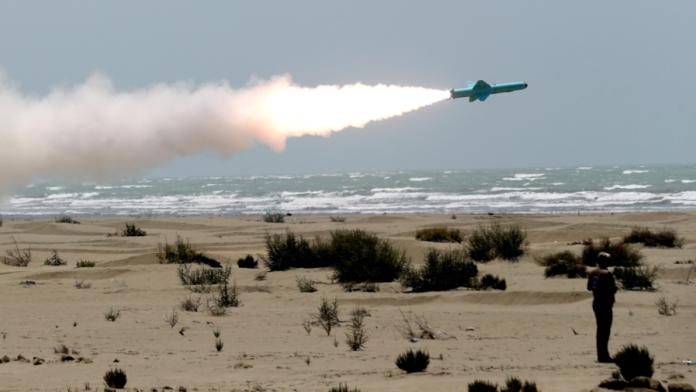
Iran Drone Strikes Hormuz — A wave of Iranian drone and missile strikes hit the United Arab Emirates on Monday, wounding three people, igniting an oil facility fire and plunging the Gulf region back into crisis after weeks of uneasy calm. The attacks represent the most serious breach of a ceasefire that had paused more than two months of fighting between Iran and a US-led coalition.
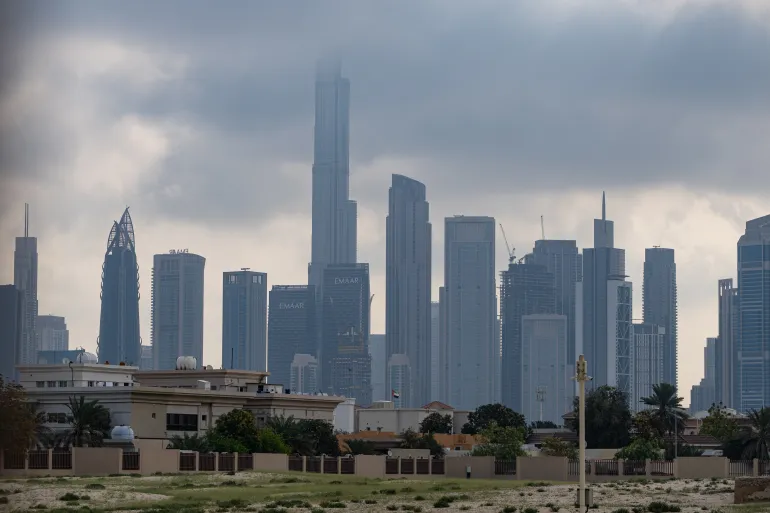
The UAE Ministry of Defence confirmed that air defences intercepted ballistic missiles, cruise missiles and drones across the country during the afternoon. Three missiles were brought down by UAE air defences, while a fourth fell into the sea. Despite the scale of the assault, no immediate casualties were reported from the missile strikes themselves.
The emirate of Fujairah bore the brunt of the drone campaign. An Iranian drone struck an oil facility there, triggering a fire and leaving three Indian citizens with moderate injuries. All three were transported to hospital for treatment. The attack on Fujairah underscored the vulnerability of the UAE’s energy infrastructure, which had already been heavily targeted by Iranian retaliatory strikes in the weeks before the ceasefire took effect.
Recommended Reading
A senior Iranian military official appeared on state television to assert that Tehran had no plans to target the UAE — a statement that stood in stark contrast to the physical evidence on the ground. There was no broader official comment from Iran regarding the strikes.
The violence also extended to maritime corridors. The UAE strongly condemned a separate Iranian drone attack on the oil tanker Barakah off the coast of Oman. State energy company ADNOC confirmed that no personnel were injured in that incident and that the vessel was not carrying a cargo load at the time of the strike.
The Strait of Hormuz remains a critical flashpoint. President Donald Trump declared that the US military would launch an operation to assist commercial vessels trapped by an Iranian blockade of the waterway, through which a significant share of the world's oil supply passes. Iranian media, meanwhile, reported that Iran's navy had fired warning shots at US warships operating near the strait — a claim that, if confirmed, would mark a dangerous escalation in direct confrontations between the two militaries.
Monday's strikes shattered what had been a period of relative calm since the ceasefire came into force on April 8. That agreement, brokered by Pakistan, paused a conflict that had drawn in US and Israeli forces against Iranian targets across the region. Direct talks between Washington and Tehran took place in Islamabad on April 11, but the two sides failed to reach any agreement on a lasting peace framework. Negotiations have remained deadlocked ever since.
Trump subsequently extended the ceasefire at Pakistan's request, but without setting a new deadline — a move that left the truce's durability in question. Efforts to formalise a longer-term extension collapsed without a breakthrough, and rhetoric from both sides intensified in the days that followed. Analysts had warned that the combination of stalled diplomacy, competing blockades and unresolved grievances over Iran's nuclear programme created conditions ripe for a return to hostilities.
Iran Drone Strikes Hormuz: Regional Implications
The blockade of the Strait of Hormuz has emerged as one of the most contentious issues dividing Washington and Tehran. Iran has used control of the waterway as leverage in negotiations, while the United States has insisted on freedom of navigation as a non-negotiable principle. Trump's announcement of a military escort operation for commercial shipping signals a direct challenge to that Iranian leverage.
Beyond the Gulf, the broader geopolitical landscape continued to shift. Australia and Japan signed a package of agreements covering energy cooperation, defence ties and critical minerals — a partnership widely seen as a response to growing strategic competition with China in the Indo-Pacific. Separately, China faced accusations of targeting metal smelting operations in Tasmania, with the state government offering Nyrstar AU$7.5 million to prevent the closure of facilities that employ more than 1,300 workers.
For the UAE, Monday's events represent a sobering reminder of its exposure to the wider conflict. The country had sought to position itself as a neutral commercial hub even as fighting raged around it, but repeated targeting of its energy infrastructure and shipping lanes has made that neutrality increasingly difficult to maintain. With diplomacy stalled and military posturing intensifying on all sides, the prospects for a durable ceasefire in the Gulf appear more uncertain than at any point since April 8.