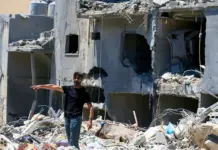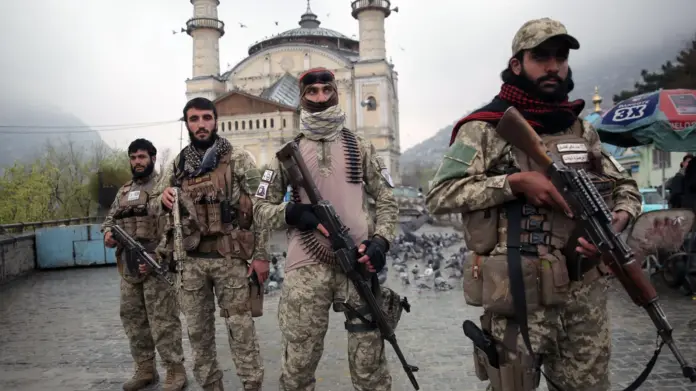
Kunar Province, Afghanistan — Pakistani strikes on eastern Afghanistan’s Kunar province have killed at least seven people and wounded 75 others, with the assault causing extensive damage to Kunar University and shattering a weeks-long ceasefire that had offered a rare pause in escalating cross-border hostilities.
Among the wounded were 30 university students and at least one professor, according to Afghanistan’s Taliban administration. The country’s higher education ministry confirmed that the university’s buildings and surrounding areas sustained extensive damage in the strikes, which struck at approximately 14:00 local time (09:30 GMT).
An unnamed professor at Kunar University described hearing terrifying explosions reverberating across the campus. Matiullah Shahab, a freelance journalist and human rights activist based in Asadabad, was roughly one kilometre from the university when the attack occurred and witnessed crowds of people fleeing the town centre in panic.
The Taliban government said mortars and rockets were deployed in the assault, though separate accounts indicated that jets and drones were also involved. Pakistan’s information ministry flatly denied that its forces had struck the university or any residential areas in Kunar.
Taliban deputy spokesman Hamdullah Fitrat issued a sharp condemnation, describing the strikes as "grave and inexcusable war crimes, a blatant act of brutality, and a provocative action." The language marked a significant departure from a period of deliberate restraint: during the ceasefire, Taliban government leaders had refrained from making public statements about Pakistan or its earlier military operations.
The Kunar strikes are the latest episode in a deteriorating bilateral relationship that has claimed hundreds of lives in recent months. Several weeks before the Kunar attack, a Pakistani air strike on a drug rehabilitation centre in Kabul killed 269 people, according to the United Nations — a toll that drew international condemnation and deepened tensions between the two neighbours.
Pakistan has consistently maintained that its cross-border operations target militant hideouts belonging to the Pakistan Taliban, a group Islamabad accuses the Afghan Taliban of sheltering. The Pakistan Taliban has waged an armed insurgency against Pakistani government forces, and Islamabad has repeatedly pressed Kabul to act against the group’s presence on Afghan soil.
The relationship between the two governments carries a complicated history. Pakistan was once among the Taliban’s most significant international backers, but that alignment has frayed sharply as the Pakistan Taliban insurgency has intensified inside Pakistani territory.
Diplomatic efforts to contain the conflict had shown tentative signs of progress. Chinese mediation brought Pakistani and Afghan representatives to the table in Urumqi in early April, and the ceasefire that followed had largely held in the weeks prior to the Kunar strikes. Those gains now appear fragile at best.
Pakistan is simultaneously navigating a complex regional role, having positioned itself as a mediator in the broader confrontation between Iran and the United States. The renewed violence on its western border complicates that diplomatic posture and risks drawing further international scrutiny to Islamabad’s conduct in Afghanistan.
With civilian casualties mounting — from university students caught in the crossfire in Kunar to the hundreds killed in Kabul — pressure is growing on both governments and on international actors to prevent a full collapse of the ceasefire and a return to sustained open conflict along one of the world’s most volatile borders.