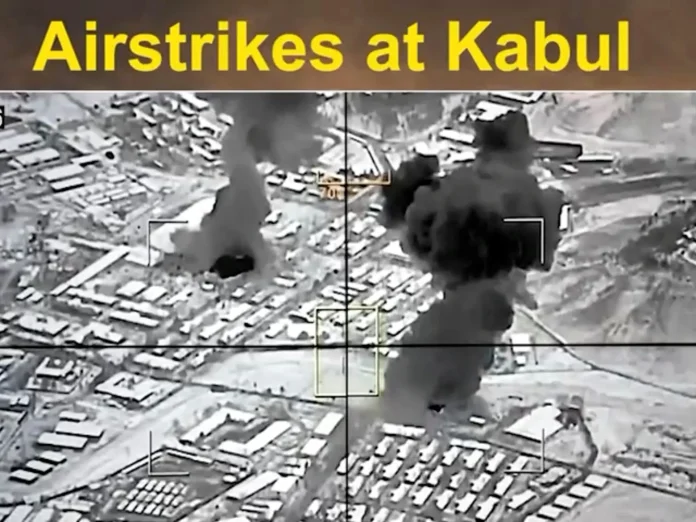
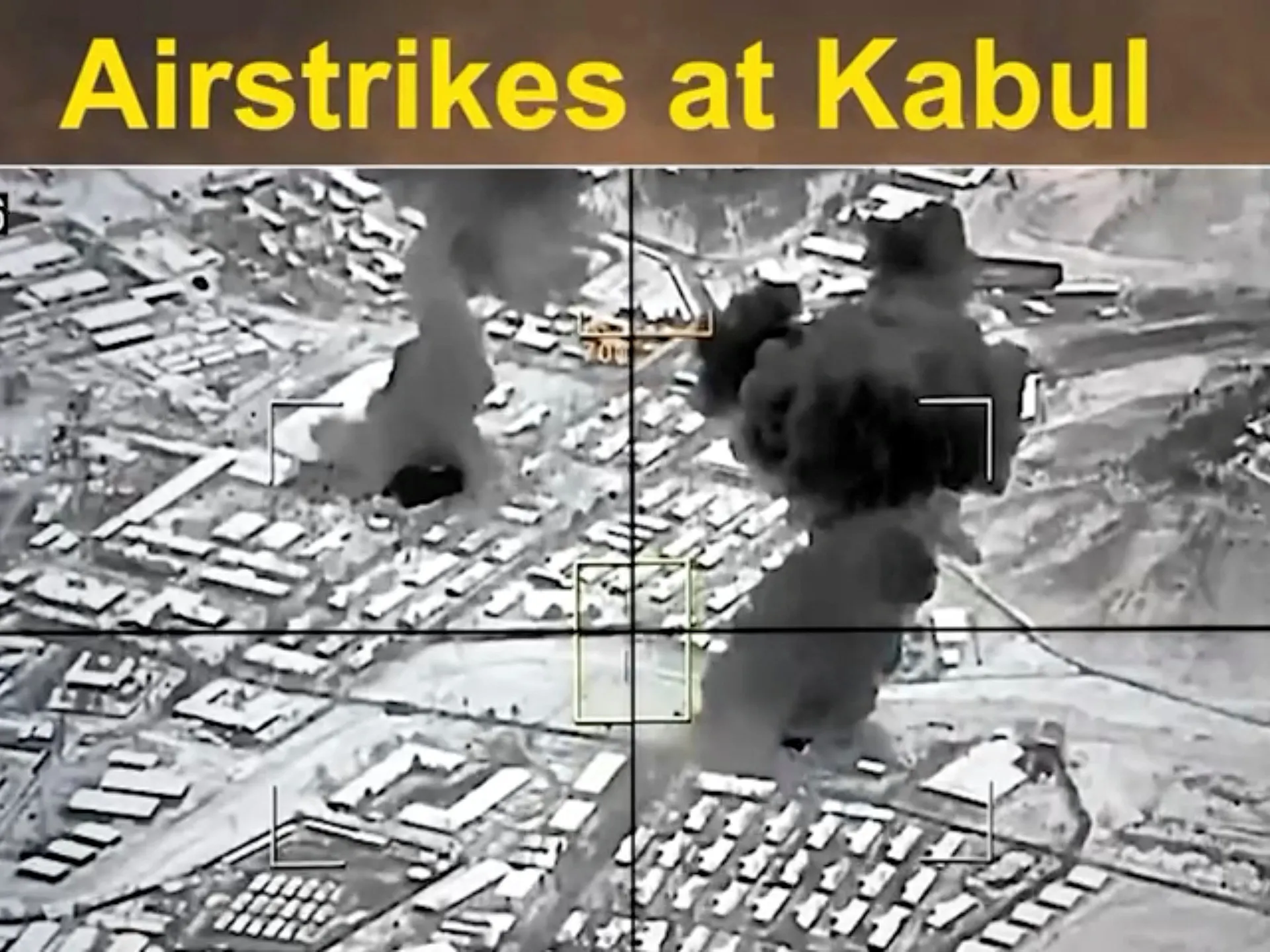
Pakistan has declared an open war against Afghanistan’s Taliban government, marking a significant escalation in tensions along the volatile border separating the two nations. The announcement came on Friday, following a series of explosions in Kabul and reports of ongoing fighting in border regions.
Pakistani forces have launched attacks on Kandahar and Paktika provinces within Afghanistan, claiming the lives of at least 70 fighters in air strikes. The Taliban, however, has responded with what it describes as ‘large-scale offensive operations’ against the Pakistani military, according to spokesperson Zabihullah Mujahid.
The Durand Line, the contentious border demarcation between Pakistan and Afghanistan, has long been a flashpoint for conflict. The recent hostilities have prompted international calls for restraint and dialogue. UN Secretary-General Antonio Guterres has expressed deep concern over the violence, urging both nations to adhere to international law and prioritize the protection of civilians.
Iran’s Foreign Minister Abbas Araghchi has also called for dialogue, emphasizing the importance of Ramadan as a time for self-restraint and Islamic solidarity. Meanwhile, Russia has offered to mediate between the two countries if both sides agree, urging an immediate halt to cross-border attacks. China, too, has voiced deep concern, with its foreign ministry expressing willingness to play a constructive role in de-escalating the situation.
Pakistan’s Defence Minister Khawaja Asif stated that the country’s armed forces are delivering a decisive response to what he termed as aggression from Afghanistan. He highlighted Pakistan’s extensive diplomatic efforts to stabilize the situation, although tensions remain high.
Former Afghan President Hamid Karzai has criticized Pakistan for exacerbating the conflict and called for a change in its policy towards Afghanistan. He asserted that Afghanistan would defend its homeland with unity.
The escalation comes amid a backdrop of historical animosity and geopolitical complexities in the region. The international community remains on edge, watching closely as the situation unfolds, with hopes for a diplomatic resolution to prevent further loss of life and regional instability.