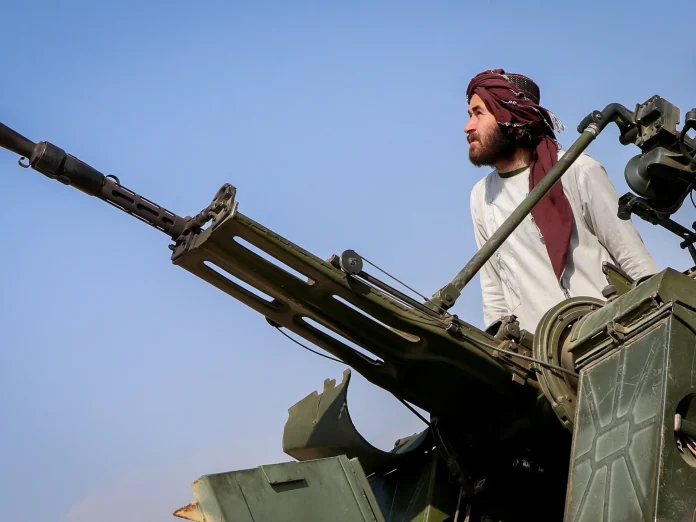
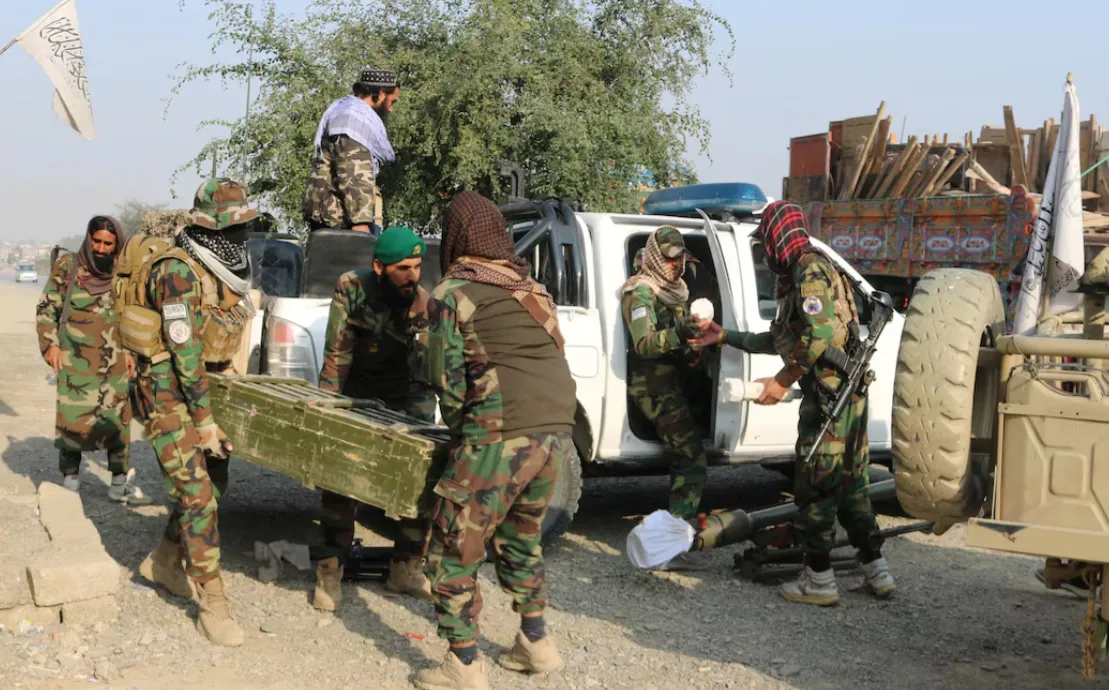
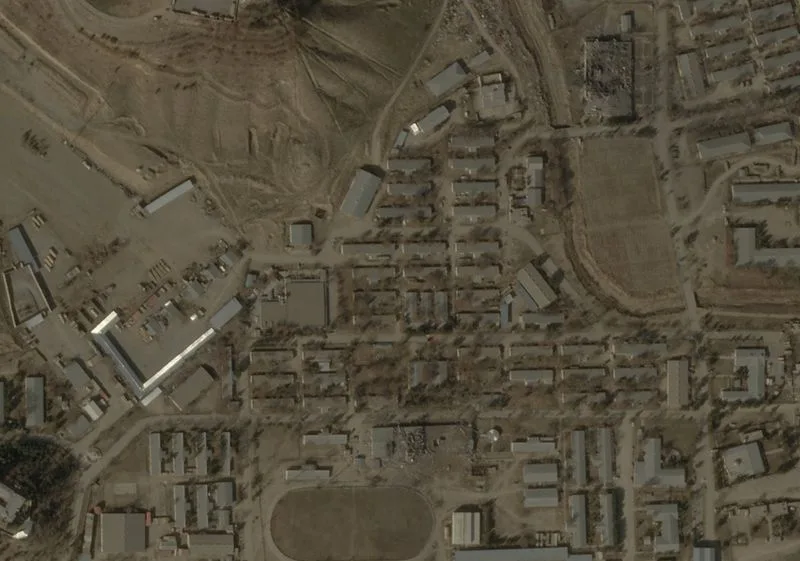
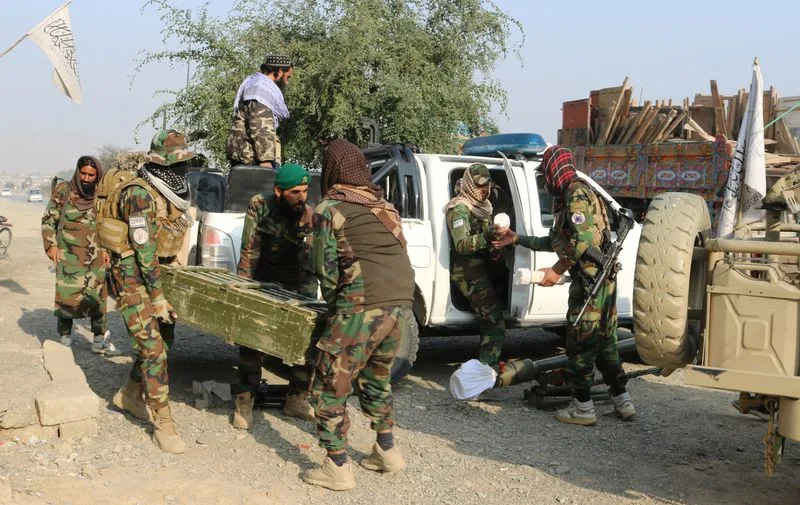
Pakistan struck the Afghan capital Kabul, the southern city of Kandahar, and multiple eastern provinces on Friday in the most sweeping military assault on Afghan territory since the Taliban reclaimed power in 2021, marking a dramatic and dangerous escalation between two nuclear-armed neighbours — one of them a state, the other a hardened insurgent movement now governing a nation.
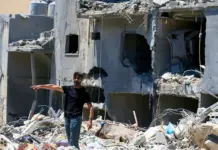
Air-to-ground missile strikes targeted Taliban military offices and posts across Paktia, Paktika, Khost, and Laghman provinces in addition to the capital and Kandahar, a city where senior Taliban leadership is based. Verified video footage showed thick plumes of black smoke rising from at least two sites in Kabul and a massive blaze illuminating the night sky.
Pakistan’s Defence Minister Khawaja Muhammad Asif left little ambiguity about Islamabad’s intent. “Our cup of patience has overflowed,” he declared. “Now it is open war between us and you.” The ministry of foreign affairs reinforced the message, warning of a “measured, decisive and befitting response” to any further provocations.
The strikes were preceded by Afghan drone attacks late Thursday on Pakistani military positions in the country’s northwest — the opening salvo in what rapidly became a two-day exchange of fire across the Durand Line, the 2,575-kilometre frontier internationally recognised as the border between the two countries but rejected as illegitimate by successive Afghan governments.
Pakistan’s military spokesperson Lieutenant General Ahmed Sharif Chaudhry said the operations killed at least 274 members of Afghan forces and affiliated fighters. Pakistan acknowledged 12 of its own soldiers killed, 27 wounded, and one missing. Taliban spokesman Zabihullah Mujahid offered sharply different figures, claiming 55 Pakistani soldiers were killed, with the bodies of 23 brought into Afghan territory. Mujahid reported 13 Afghan soldiers killed and 22 wounded, along with 13 Afghan civilians injured. The Afghan government subsequently reported 19 civilians killed and 26 injured in strikes on Khost and Paktika provinces alone. Neither side’s casualty figures have been independently verified.
Despite the scale of the assault, Mujahid signalled that Kabul had not closed the door on diplomacy. The Taliban, he said, were ready to negotiate with Pakistan. Afghan Foreign Minister Amir Khan Muttaqi spoke by telephone with Qatar’s junior foreign minister, Mohammed bin Abdulaziz Al-Khalifi, as Doha — which helped broker a ceasefire following deadly October clashes that killed more than 70 people on both sides — moved quickly to contain the latest crisis. Qatar is coordinating with other countries to facilitate a resolution.
The Afghan foreign ministry, for its part, maintained that Afghanistan “has never been a supporter of violence” and denied that the Taliban government shelters fighters from the Tehrik-i-Taliban Pakistan, the militant group responsible for a sustained campaign of attacks inside Pakistan. Islamabad insists the Afghan Taliban provides sanctuary and logistical support to its Pakistani counterpart — an allegation that has driven relations between the two governments to their lowest point since 2021.
The relationship between Pakistan and the Taliban is freighted with history. Islamabad was once among the Taliban’s most important backers, providing political cover and material support during the years of US-led military operations. That alliance has since curdled into open hostility, with Pakistan now confronting a movement hardened by decades of guerrilla warfare against the world’s most powerful military — and one that retains considerable tactical capability despite facing a Pakistani armed force vastly superior in conventional terms.
International reaction was swift. UN Secretary-General Antonio Guterres expressed deep concern over the escalating violence. Russia, Iran, and Iraq called for an immediate cessation of hostilities. Saudi Arabia, which mediated the release of three Pakistani soldiers captured by Afghanistan during the October fighting, remains a potential diplomatic actor. Land border crossings between the two countries have been largely closed since those October clashes, compounding the humanitarian and economic pressures on both sides.
Friday’s bombardment was the first time Pakistan directly targeted Taliban-controlled territory over the militant harbourage allegations — a threshold crossing that analysts warn could lock both sides into a cycle of retaliation that neither can easily exit. Pakistan’s foreign ministry has made clear it will not absorb further provocations without response. The Taliban, for their part, said all Pakistani drones were intercepted, while Pakistan claimed it brought down all Afghan drones with no damage sustained — competing assertions that underscore how thoroughly the information environment surrounding the conflict has fractured.
Several rounds of negotiations between Islamabad and Kabul over the past two years have failed to produce a durable agreement. With Qatar again attempting to halt the fighting and the Taliban signalling conditional openness to talks, the immediate question is whether diplomacy can move faster than the next exchange of fire along one of the world’s most volatile frontiers.