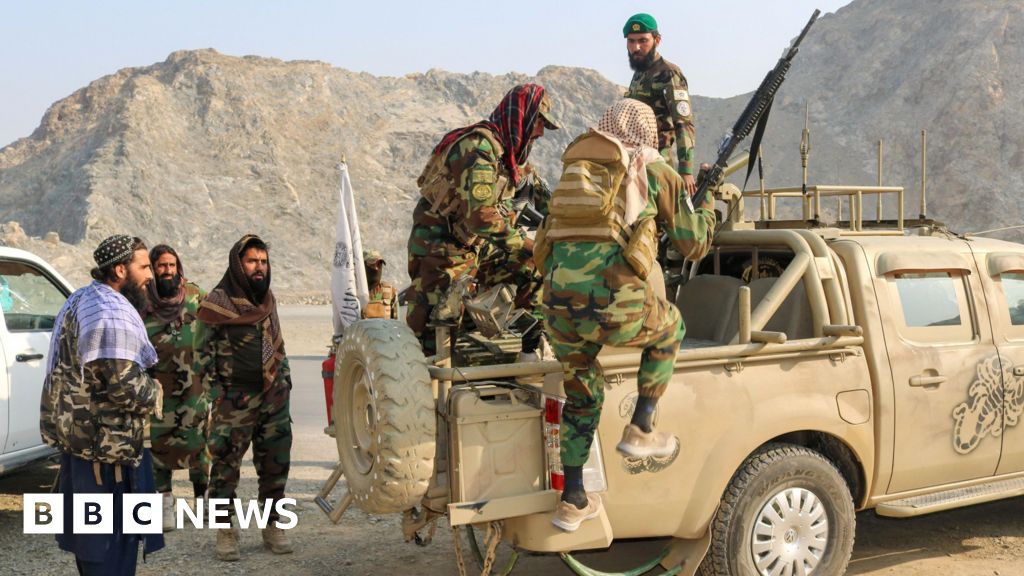
A fragile peace between Pakistan and Afghanistan’s Taliban government collapsed violently this week, as the two neighbours exchanged air strikes, drone attacks and artillery fire in the most serious military confrontation along their shared 2,600-kilometre border in years — with Pakistan’s defence minister declaring “open war” and the Taliban’s military chief warning of a “decisive response” to come.
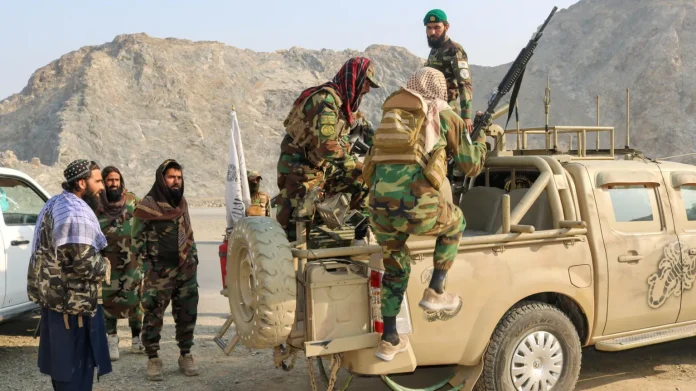
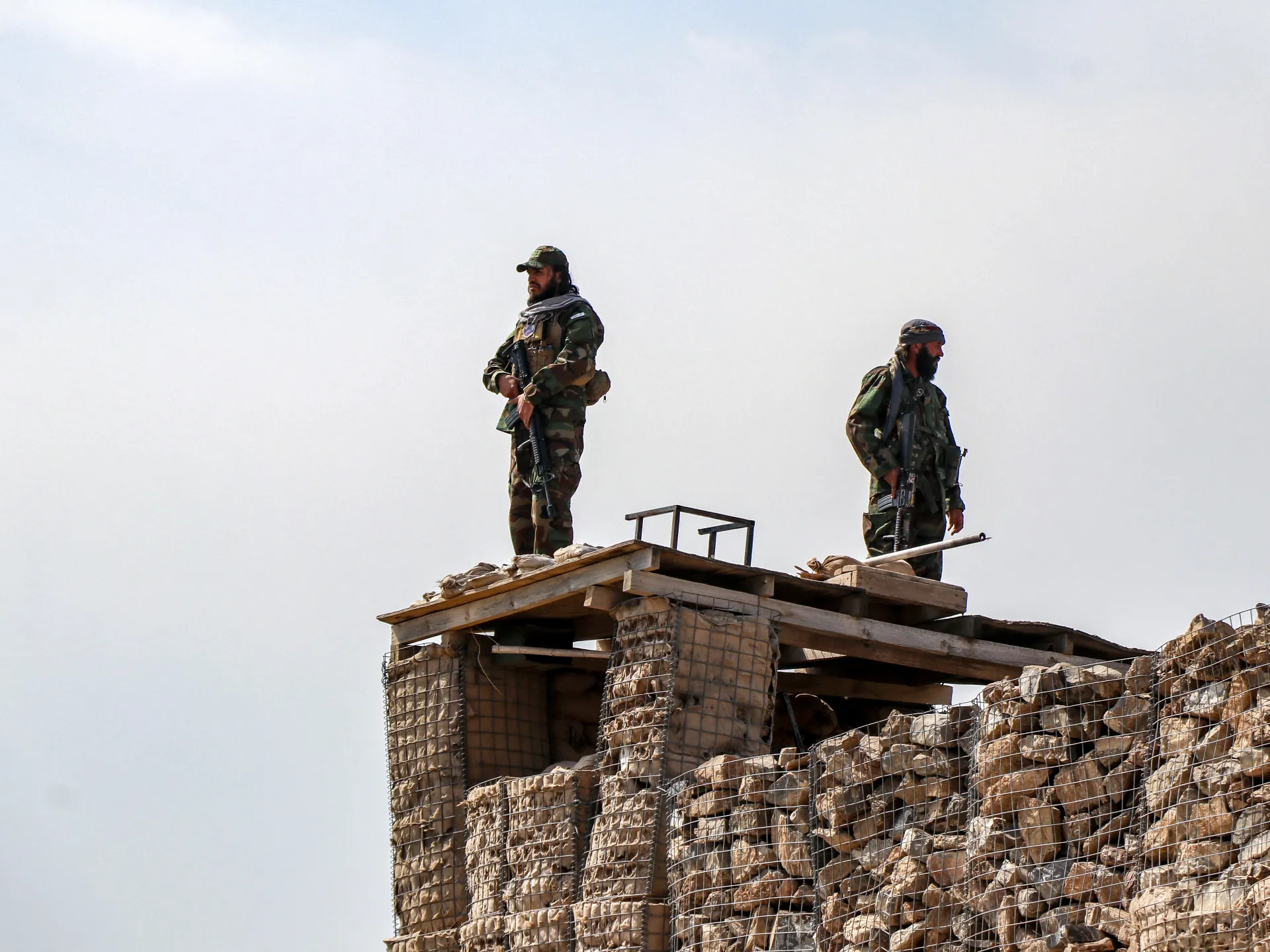
The crisis erupted on Thursday, 26 February, when the Afghan Taliban launched a coordinated offensive against Pakistani military posts at 20:00 local time (15:30 GMT). The assault stretched across six Afghan border provinces — Nangarhar, Nuristan, Kunar, Khost, Paktia and Paktika — targeting Pakistani positions in the north-western province of Khyber Pakhtunkhwa. Pakistan responded within hours, with the first air raid striking at approximately 1:50 a.m. local time on Friday under an operation officially named “Operation Ghazab Lil Haq” — Arabic and Urdu for “Wrath for the Truth.”
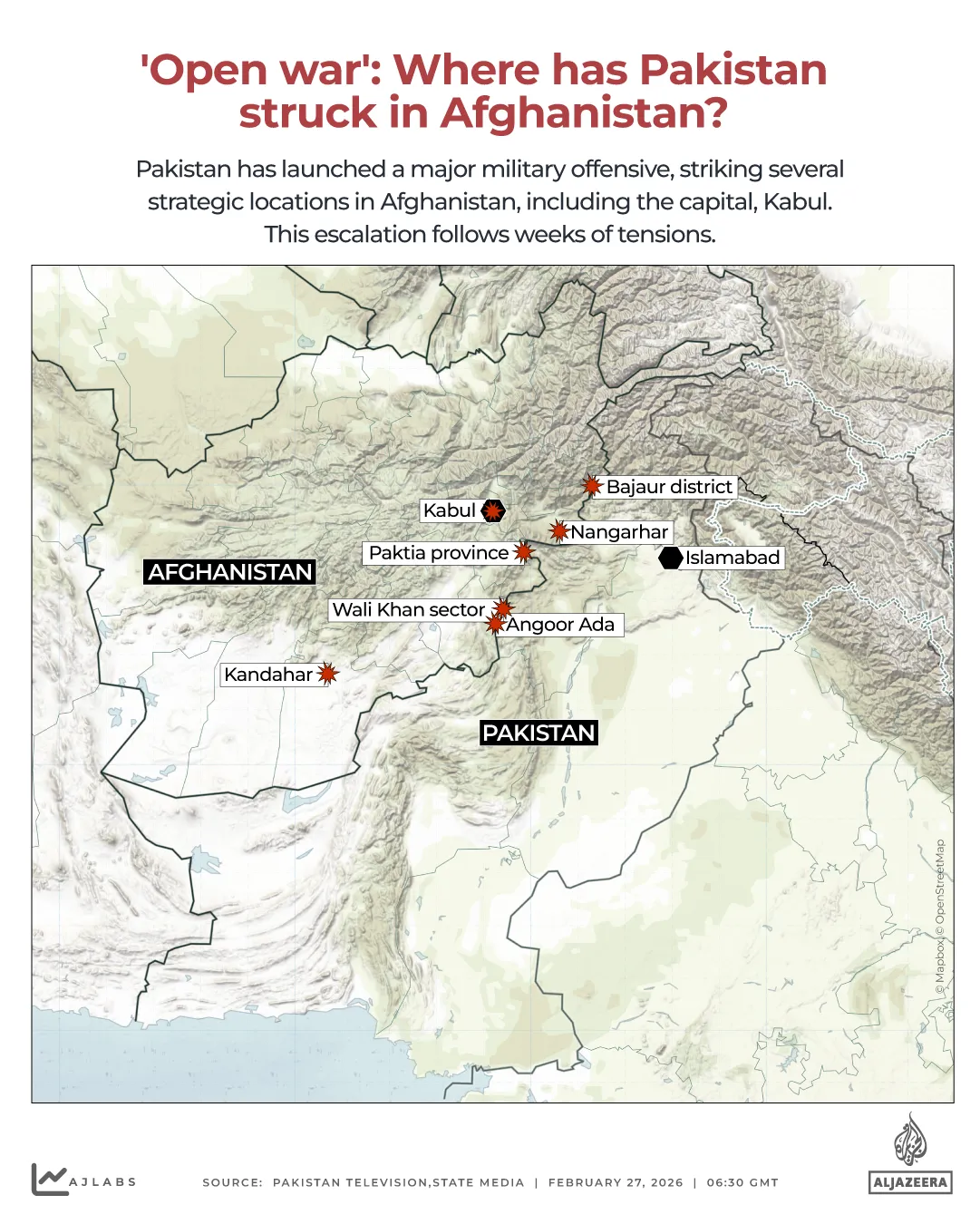
Pakistan’s military said it struck 22 military sites across Afghanistan, including targets in Kabul and Kandahar — the country’s two largest cities — as well as the border province of Paktika. Pakistan’s Information Minister Attaullah Tarar announced the bombing campaign, while Defence Minister Khawaja Asif posted on social media that the country was now in a state of open war with the Taliban. Prime Minister Shehbaz Sharif declared that Pakistani forces had been able to “crush” the aggression.
Pakistani military figures from the operation were striking in their scale. Islamabad claimed at least 274 Afghan Taliban fighters killed, with a separate tally of 133 Taliban officials killed and 200 wounded specifically in Friday’s strikes. Pakistan also reported the destruction of 73 Taliban posts, the capture of 18 others, and the elimination of an estimated 115 tanks, armoured vehicles and artillery systems. Pakistani losses, according to its own military, stood at 12 soldiers killed, 27 injured and one missing in action.
The Taliban offered sharply different figures. Taliban spokesman Zabiullah Mujahid said only 13 fighters were killed and 22 wounded, while insisting that Pakistan’s strikes on Kabul, Kandahar and Paktia caused no casualties among Taliban ranks. Mujahid did acknowledge civilian harm, reporting 13 civilians injured and an unspecified number killed, including the majority of one farmer’s family whose home in Jalalabad was struck. A religious school in Paktika was also hit, he said. The Taliban in turn claimed 55 Pakistani soldiers were killed, asserting that 23 bodies had been taken back into Afghan territory.
The Taliban escalated further on Friday morning by deploying drones — believed to be commercially available models carrying improvised explosives — against three targets inside Pakistan. Strikes were directed at an artillery school in Nowshehra, a site near a military academy in Abbottabad, and a location adjacent to a primary school in Swabi. Pakistan’s military confirmed all three drones were intercepted and destroyed before causing damage. Information Minister Tarar attributed the drone attacks directly to the Taliban.
Taliban military chief Qari Muhammad Fasihuddin issued a stark warning following the exchanges, saying Pakistan could expect “an even more decisive response” in future engagements. A Taliban military spokesperson struck a more measured tone, stating the group “will retaliate if we are attacked, but we won’t start clashes at the moment” — a signal that, despite the rhetoric, both sides may be leaving room for de-escalation.
The roots of the confrontation run deep. Pakistan has long accused Afghanistan’s Taliban government of harbouring and supporting militant groups conducting attacks on Pakistani soil, including a recent suicide bombing at a mosque in Islamabad. The Taliban government categorically rejects those accusations, maintaining that Afghan territory is not being used to threaten neighbouring states. The two countries share the contested Durand Line, a 1,600-mile mountainous frontier drawn during the British colonial era that Afghanistan has never formally recognised.
This week’s violence shattered a ceasefire brokered by Turkey and Qatar in October, following clashes that month in which the United Nations documented at least 47 civilian deaths in Afghanistan. Pakistan also conducted multiple overnight air strikes on Afghan territory earlier in the week, which the Taliban said killed at least 18 people — strikes that preceded Thursday’s formal Taliban offensive announcement.
The international community moved quickly to contain the crisis. UN officials called for an immediate de-escalation, while China urged a ceasefire between the two countries. Iran offered to serve as a mediator, and UK Foreign Secretary Yvette Cooper called on both sides to engage in mediated dialogue. Former Afghan President Hamid Karzai said Afghanistan would defend its homeland and respond to aggression “with courage.”
With both governments trading maximalist claims, civilian populations on either side of the Durand Line bearing the cost, and international mediators scrambling to prevent further escalation, the coming days will test whether the October ceasefire model — fragile as it proved — can be revived before the conflict deepens further.