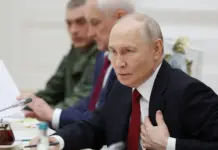
NAY PYI TAW — Five years after seizing power in a coup, General Min Aung Hlaing has completed his transformation from military strongman to nominal civilian leader, nominated as Myanmar’s next president following an election so tightly controlled that criticising it was a criminal offence.
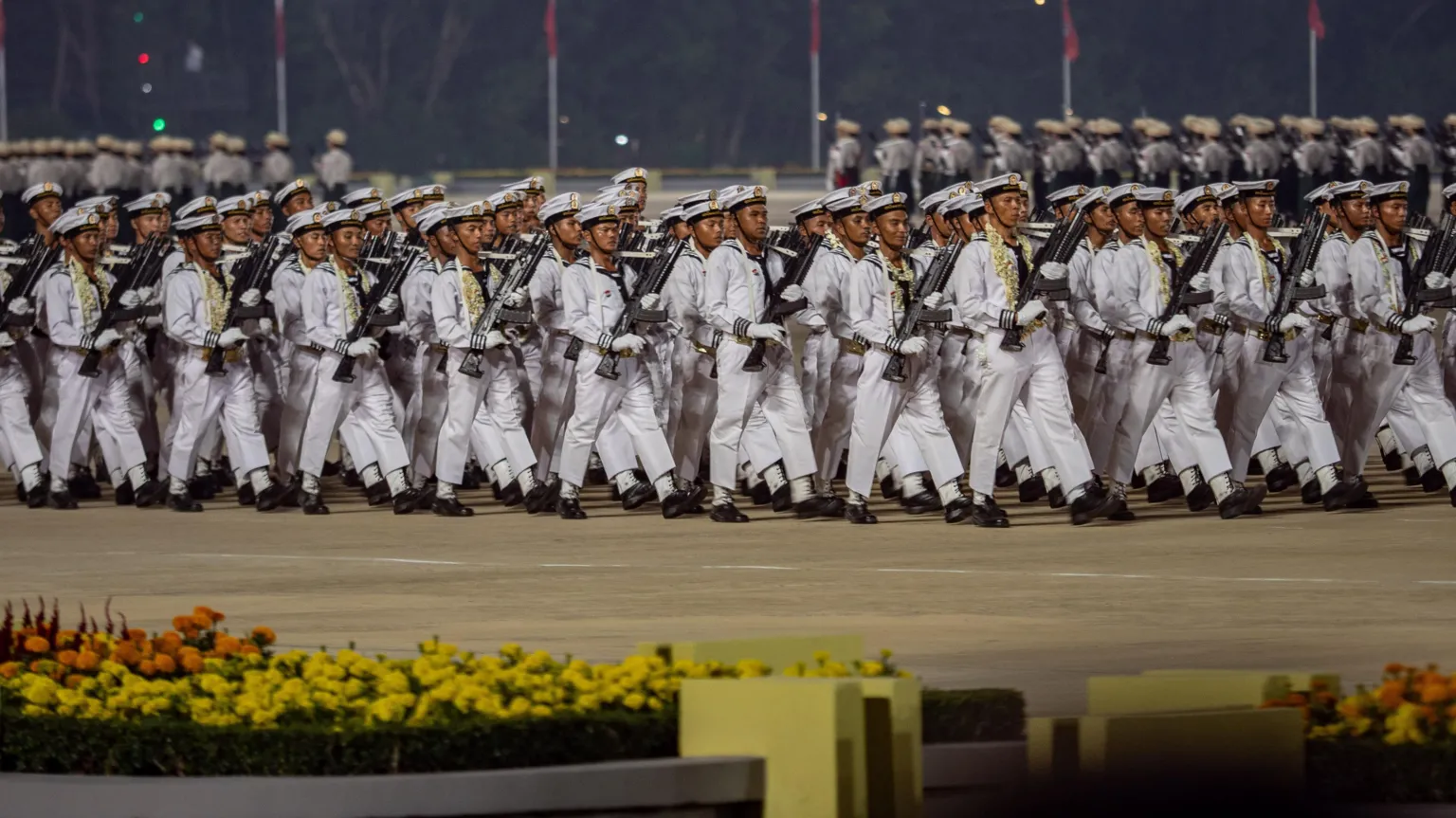
The 69-year-old general was put forward as a presidential candidate in the Lower House of Parliament on March 30, 2026, days after presiding over Myanmar’s annual Armed Forces Day parade in the capital Nay Pyi Taw — a display of tanks, multiple rocket launchers, and mini-submarines mounted on lorries that underscored where real power continues to reside.
Under Myanmar’s constitution, three vice-presidential candidates are nominated before one is elevated to the presidency. Min Aung Hlaing stepped down as armed forces commander as required by law before assuming the post, a procedural formality that does little to obscure the continuity of his grip on the country. General Ye Win Oo, described by observers as a hardliner with a reputation for brutality and a former spymaster, replaced him as head of the armed forces.
The election that produced this outcome bore little resemblance to a democratic contest. The National League for Democracy, which won a landslide victory in November 2020, was dissolved and barred from participating — along with every other party that had collectively won 90 percent of seats in that earlier vote. The military’s own party, the USDP, swept nearly 80 percent of the remaining parliamentary seats in a ballot from which meaningful opposition had been surgically removed. The armed forces are constitutionally guaranteed a further quarter of all seats, ensuring civilian oversight exists in name only.
Min Aung Hlaing has also created a new consultative council vested with paramount authority over both civilian and military affairs, consolidating his influence beyond the formal structures of government.
When he launched his coup on 1 February 2021, detaining Aung San Suu Kyi and jailing the Nobel Peace Prize laureate, Min Aung Hlaing promised elections and a return to civilian rule within a year. What followed instead was one of Southeast Asia’s most devastating civil conflicts. Resistance groups still control approximately 90 towns across the country, and the National Unity Government — the opposition administration-in-exile — operates from areas near the border with Thailand. The military has ceded control of vast swathes of territory to armed opposition forces.
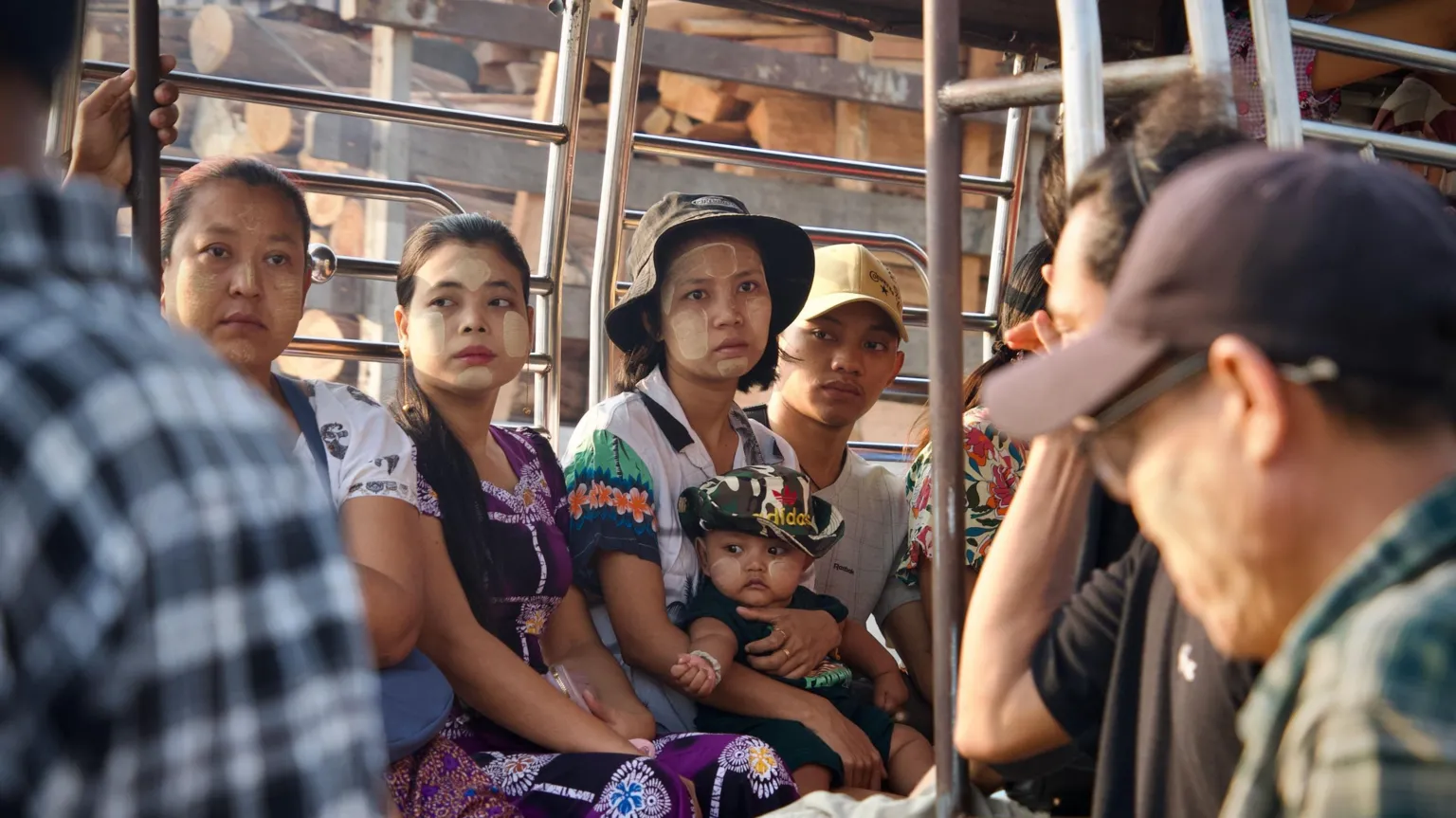
The human cost has been catastrophic. Approximately four million people have been displaced by the fighting, and the United Nations estimates that more than 16 million are in need of life-saving assistance. The military’s tactics have drawn widespread condemnation: indiscriminate air strikes on opposition-controlled villages have destroyed schools, homes, and hospitals, while a strategy known as ‘the four cuts’ — designed to sever food, funds, intelligence, and recruits from communities supporting insurgent groups — has devastated civilian populations. China and Russia have provided assistance to the junta in efforts to recapture lost territory.
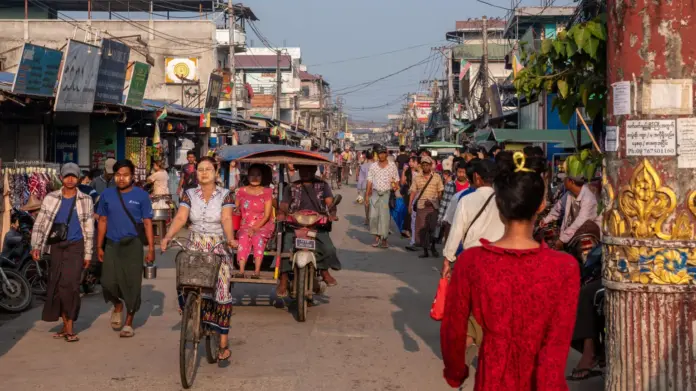
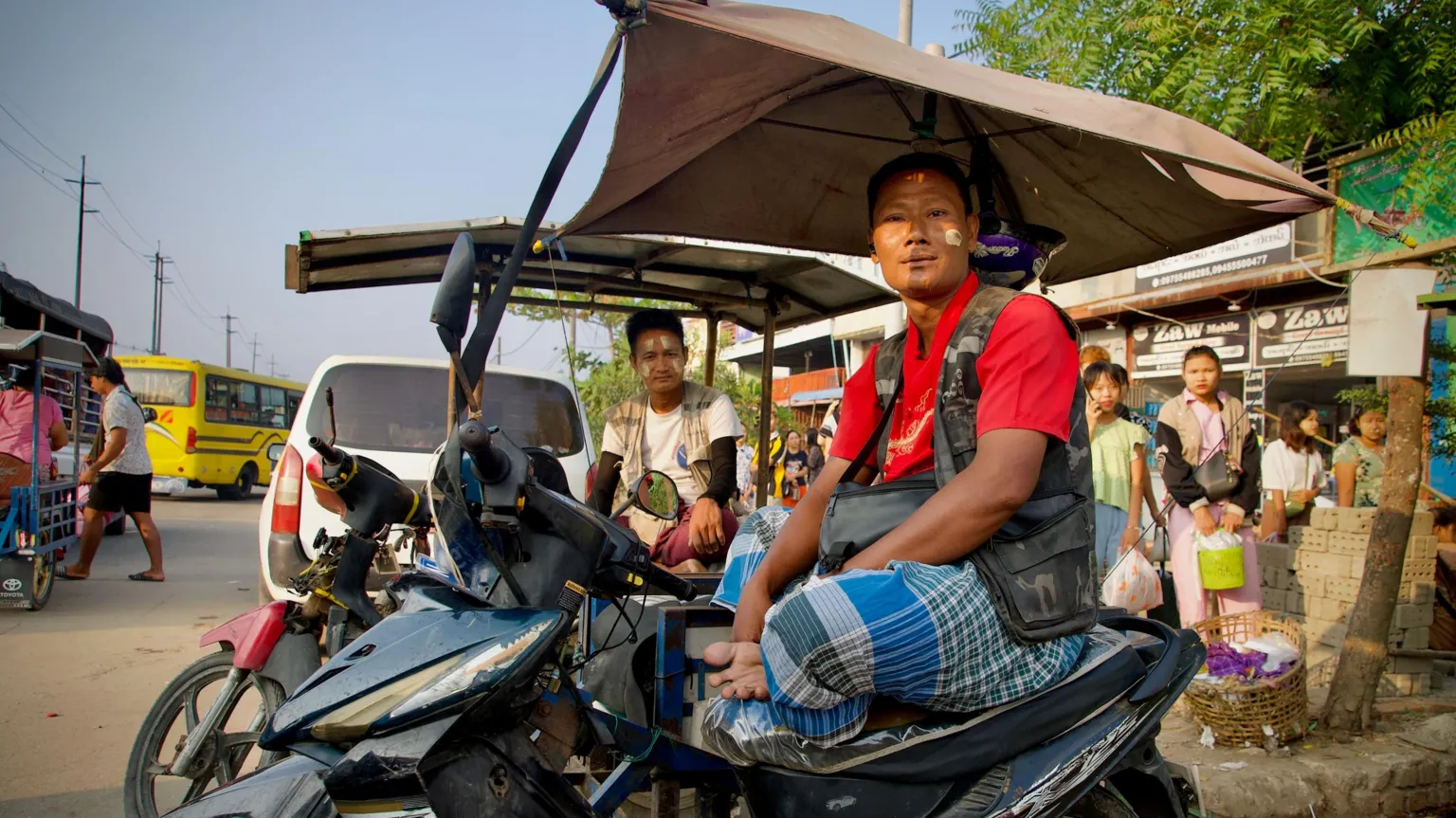
The economic collapse has compounded the suffering. Myanmar imports 90 percent of its oil and petroleum products, and fuel shortages have forced rationing of petrol and diesel. In Yangon, the country’s largest city, the electricity grid delivers only a few hours of power per day.
The brutality of the regime’s internal security apparatus has been documented in harrowing detail. Student activist Kyaw Win, arrested in 2022 for participating in a flash mob protest against the coup, was tortured for a week in detention — beaten with an iron rod, burned with cigarettes, slashed with a knife, and sexually assaulted.
Min Aung Hlaing’s rise to this moment has been decades in the making. A member of the Dawei ethnic group whose father headed the arts department at a teacher training college, he studied law before enrolling in officer training school on his third attempt. He became military chief in 2011 and built his reputation through a campaign against ethnic rebel groups near trade crossings with China. His command of the 2017 military crackdown on the Rohingya ethnic minority, which drove approximately 750,000 people into Bangladesh, earned him a ban from Facebook for inciting hate speech and placed him in the crosshairs of international justice. The International Criminal Court’s chief prosecutor is now seeking his arrest on charges of crimes against humanity.
Aung San Suu Kyi, now 80 years old, remains imprisoned. There is speculation that she could be released at some point this year, though the conditions of any such release — and the political calculations behind it — remain opaque. The democracy movement she led has been driven underground, into exile, or into armed resistance. The country she once governed has been remade in the image of the general who overthrew her.