Strait Of Hormuz Tensions — A volatile convergence of military strikes, stalled diplomacy, and maritime brinkmanship pushed the Middle East closer to a wider conflagration over the weekend, as Israel pounded southern Lebanon, Iran remained silent on a US peace proposal, and a bulk carrier was struck by an unknown projectile near Qatar.
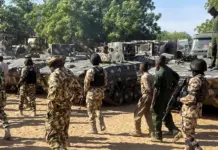
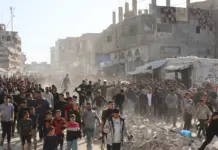
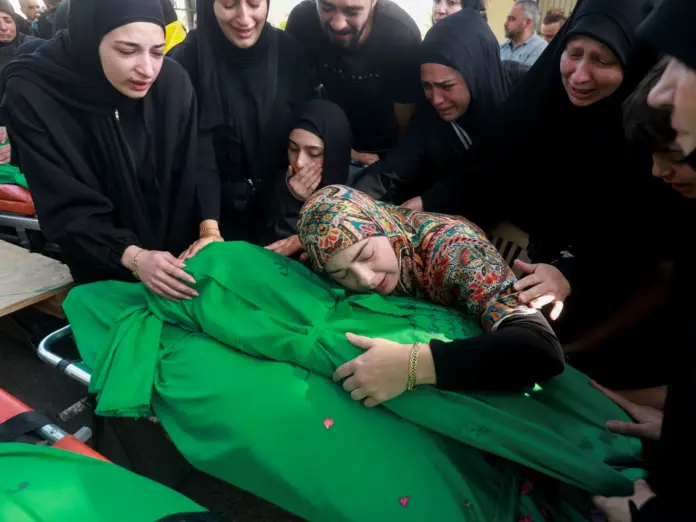
Israeli jets struck more than 10 towns across southern Lebanon on Saturday, killing at least 24 people in a single day of attacks. Over the course of the weekend, the Israeli military hit more than 40 infrastructure sites belonging to Hezbollah, while also intercepting a suspicious aerial target in the area where its ground forces are operating. Hezbollah, for its part, claimed its fighters struck an Israeli D9 bulldozer in the Khallat Raj area of Deir Siryan on Sunday, signalling that the group retains the capacity and will to resist Israeli operations despite sustained bombardment.
The violence in Lebanon unfolded against the backdrop of a broader regional war now in its 72nd day. A ceasefire between Iran and the United States took effect last month, but the underlying conflict remains unresolved. President Donald Trump said late Friday he expected to receive Tehran’s formal response to a US war-ending proposal that same night. As of Sunday, no reply had come.
Recommended Reading
Diplomatic channels, however, remain active. Qatar’s Prime Minister Sheikh Mohammed bin Abdulrahman bin Jassim Al Thani held separate meetings with US Secretary of State Marco Rubio in Miami on Saturday and with Vice President JD Vance on Friday, underscoring Doha’s role as a critical intermediary. Pakistan’s military chief Field Marshal Asim Munir also signalled Islamabad’s continued engagement, stating that Pakistan would press ahead with mediation efforts between Washington and Tehran.
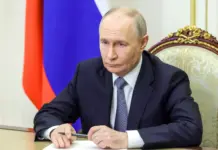
Russian President Vladimir Putin added another dimension to the diplomatic landscape, expressing Moscow’s willingness to oversee the transfer and storage of Iran’s enriched uranium stockpile — a proposal that could form part of any eventual settlement but also reflects Russia’s determination to remain a central player in the region’s security architecture.
The Islamic Revolutionary Guard Corps issued a stark warning on Saturday, threatening to target US sites across the Middle East and attack enemy vessels if Iranian tankers come under fire. The threat carries immediate weight: the US military’s Central Command has disabled four ships and blocked 58 commercial vessels from entering or leaving Iranian ports since April 13. A Qatari liquefied natural gas tanker completed a transit of the Strait of Hormuz en route to Pakistan on Sunday — the first such voyage through the strait since February 28 — a development closely watched by energy markets and regional governments alike.
The maritime threat environment sharpened further when a bulk carrier was struck by an unknown projectile while sailing 23 nautical miles northeast of Doha on Sunday. The incident reinforced the urgency of an international response to protect commercial shipping. Britain and France announced they will lead a multinational mission to safeguard vessels transiting the Strait of Hormuz, with London confirming it would dispatch a destroyer to the region ahead of the mission’s launch.
Strait Of Hormuz Tensions: Regional Implications
In Bahrain, authorities arrested 41 individuals on Saturday linked to a network affiliated with the IRGC. Bahrain’s Ministry of Interior said the detainees had maintained direct contact with the Revolutionary Guard and had collected funds to finance what officials described as Iran’s terrorist operations — a disclosure that highlights the reach of Iranian influence operations across Gulf states even as Tehran faces military and economic pressure.
Meanwhile, Israel deported two activists on Sunday — Saif Abu Keshek and Thiago Avila — who had been seized from the Gaza-bound Global Sumud Flotilla. The expulsions drew renewed criticism from humanitarian advocates. EU crisis management chief Hadja Lahbib separately urged greater humanitarian access to southern Lebanon, where Israeli strikes have compounded an already severe civilian crisis.
The cumulative picture is one of a region caught between the gravitational pull of war and the fragile possibility of negotiated settlement. With Iran yet to formally respond to Washington’s proposal, diplomatic windows remain open — but narrowing. The coming days are likely to prove decisive in determining whether the ceasefire holds or gives way to a broader escalation that draws in multiple state and non-state actors across the Middle East.