Mali’s Defence Minister Sadio Camara was killed over the weekend when coordinated rebel forces struck military installations across the country, including sites near the capital Bamako, in one of the most significant attacks the West African nation has suffered in years. Camara’s wife and two children also perished in the assault. At least 16 people were injured as explosions tore through multiple cities, and intermittent blasts continued near Senou International Airport, south of Bamako, late on Monday.
The offensive was jointly executed by Jama’at Nusrat al-Islam wal-Muslimin (JNIM) and the Azawad Liberation Front (FLA) — marking the first time the two armed organisations have formally coordinated military operations. Fighters struck cities across northern Mali and beyond, targeting Kidal, Gao, Sevare, Kati, and Bamako simultaneously. The FLA now claims control of Kidal, while JNIM asserts joint control of both Kidal and the central city of Mopti.
President Assimi Goita, who came to power in a military coup in August 2020, has not been seen publicly since Saturday, deepening uncertainty about the government’s stability and capacity to respond.
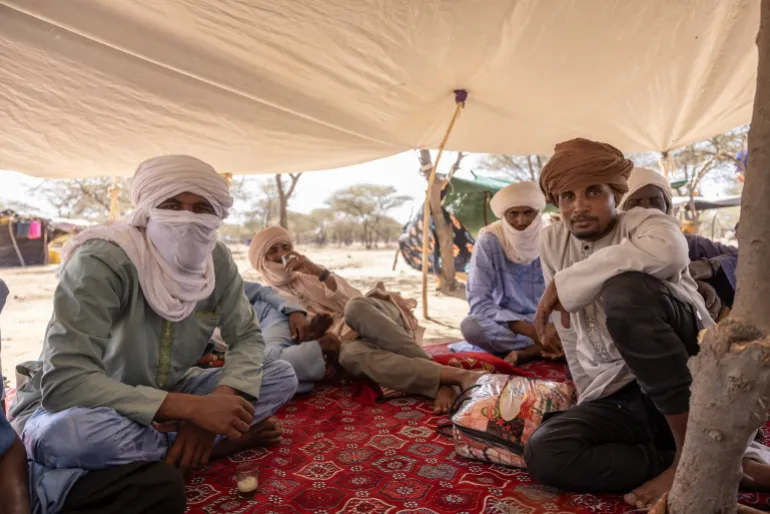
The FLA is a recently formed separatist coalition established in November 2024 and led by Alghabass Ag Intalla. Its emergence as a battlefield partner for JNIM signals a dangerous convergence of jihadist and ethno-nationalist armed movements. JNIM itself was created in 2017 through the merger of four al-Qaeda-affiliated groups — Ansar Dine, AQIM, Katiba Macina, and al-Mourabitoun — and is commanded by Iyad Ag Ghaly. The organisation fields an estimated 10,000 fighters operating across the border regions of Mali, Niger, and Burkina Faso.
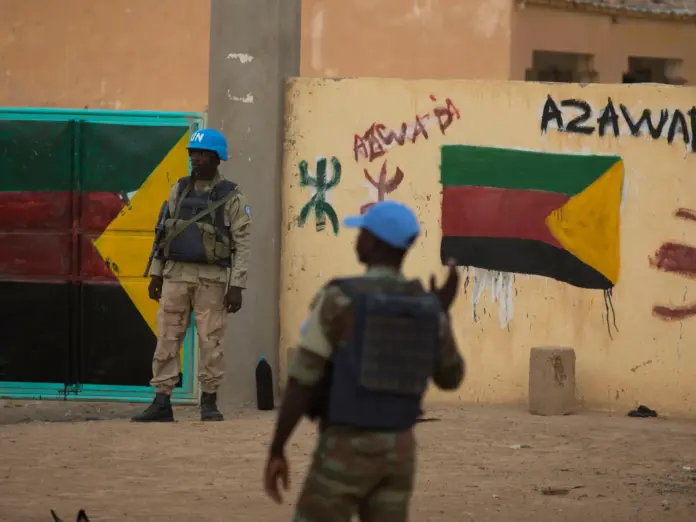
The attacks come against a backdrop of rapidly deteriorating relations between Mali’s military government and its former international partners. French troops, once numbering 4,000 and deployed at Bamako’s request in 2013 to halt an earlier jihadist advance, were expelled by the junta. Russian Wagner Group mercenaries arrived in 2021 to fill the security vacuum. Mali also expelled a United Nations peacekeeping force of roughly 11,000 soldiers in 2023 — a mission that had suffered approximately 310 fatalities over the course of its deployment.
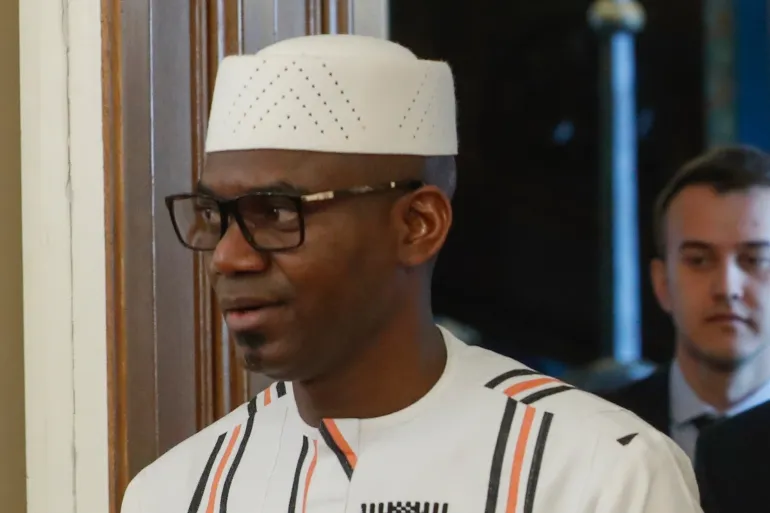
Relations with neighbouring Algeria have grown particularly toxic. Bamako accuses Algiers of sheltering rebel fighters, a charge Algeria denies. Algerian diplomats did, however, broker negotiations that allowed Russian fighters to safely exit Kidal. Mali also severed diplomatic ties with Ukraine after a Ukrainian official acknowledged that rebels had received intelligence assistance in their fight against Russian forces — a disclosure that followed a devastating rebel ambush in Tinzaouaten in July 2024, in which fighters claimed to have killed 47 Malian soldiers and 84 Russian mercenaries. The Malian government acknowledged losses while stating it had killed 20 rebels in the same engagement.
The legal framework underpinning any political resolution has also collapsed. In January 2024, Bamako formally tore up the Algiers Accords, the 2015 peace agreement signed with the Coordination of Azawad Movements (CMA) that had offered a degree of autonomy to northern communities. That decision removed the last major diplomatic guardrail between the government and armed separatist groups.
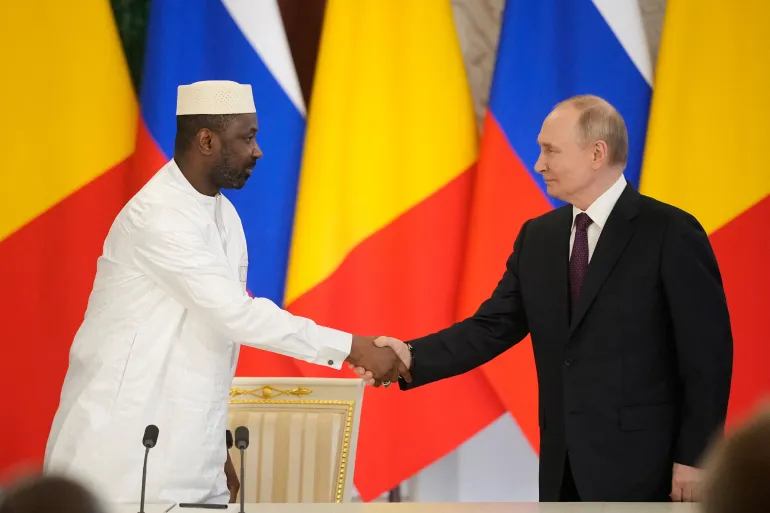
The roots of the conflict stretch back decades. Tuareg communities have sought an independent homeland since the early twentieth century, and armed resistance against the Malian state began as early as 1962, just two years after independence from France. A partial peace deal in 1995 quieted but did not resolve the underlying tensions. In January 2012, a new wave of Tuareg-led insurgency, spearheaded by the National Movement for the Liberation of Azawad (MNLA) under Bilal Ag Cherif, reignited the civil war. On April 6, 2012, Ag Cherif declared the independence of Azawad, a self-proclaimed autonomous territory in northern Mali.
The humanitarian toll of the prolonged crisis continues to mount. Mauritania alone has absorbed some 300,000 Malian refugees displaced by years of fighting. With the government’s most senior military official now dead, the capital under threat, and two major armed factions operating in unprecedented coordination, Mali faces its gravest security crisis since the 2012 civil war — and the international architecture once designed to contain it has largely been dismantled.