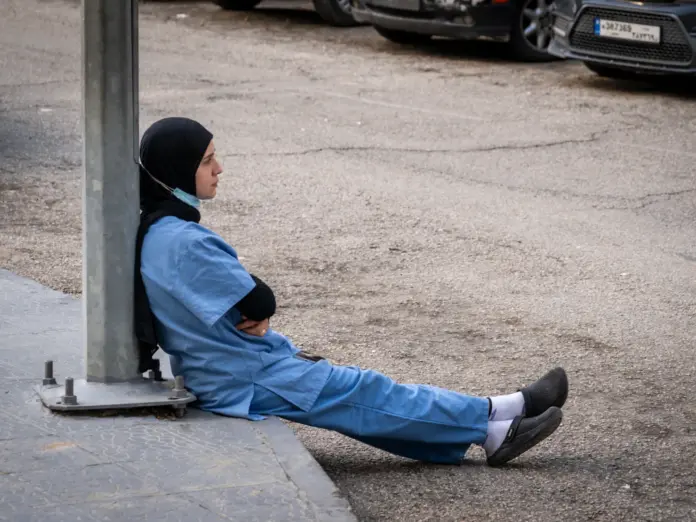
Lebanon’s healthcare system is on the verge of total collapse. More than 270 health workers and paramedics have been killed since Israel escalated its military campaign against Hezbollah on March 2, 2026, with hospitals repeatedly struck, ambulances destroyed, and first responders killed in what international human rights investigators describe as a systematic pattern of attacks on protected medical infrastructure.
The Lebanese Ministry of Public Health has recorded the deaths of 53 medical workers, the destruction or disabling of 87 ambulances and medical centres, and the forced closure of five hospitals. In southern Lebanon alone, four hospitals have sustained partial damage and two are entirely shut. Jabal Amel University Hospital in the city of Tyre was struck for a fifth time on Tuesday, leaving one of the region’s most critical facilities barely functional.
The scale of the assault on medical personnel is staggering. On a single day — March 28 — WHO Director-General Tedros Adhanom Ghebreyesus counted nine paramedics killed and seven wounded across five separate attacks. An Israeli airstrike on a primary healthcare centre in Borj Qalaouiya on March 13 killed 12 doctors, paramedics, and nurses in a single blow. Between late 2023 and 2024, before the current escalation, Israeli forces had already killed more than 107 first responders in Lebanon.
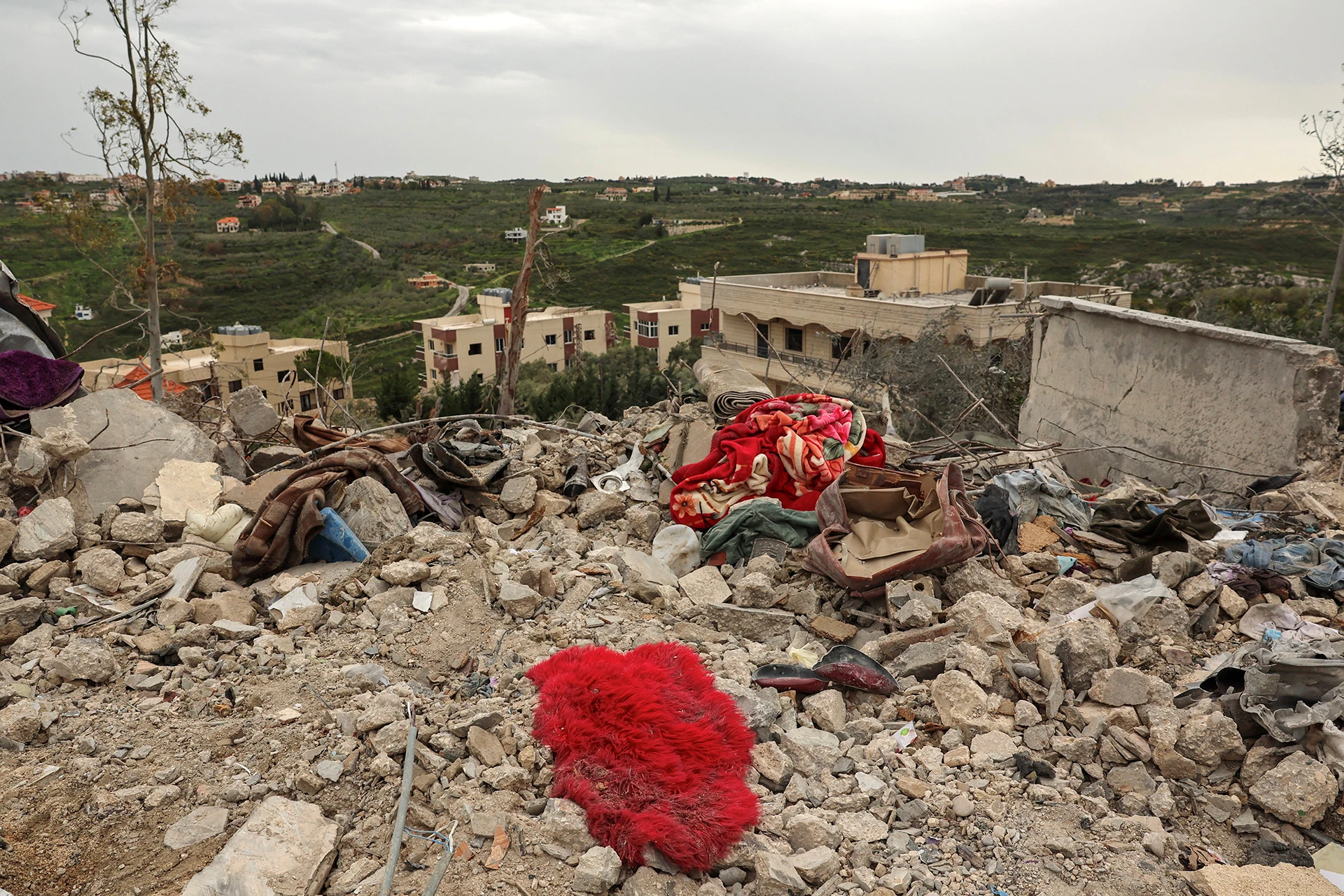
Human Rights Watch has documented repeated, apparently deliberate strikes on medical workers and has characterised Israel’s attacks on medics as an apparent war crime. Ramzi Kaiss, the organisation’s Lebanon researcher, has pointed to a pattern that goes beyond incidental harm. Among the most alarming tactics reported are double-tap strikes — an initial attack followed by a second strike timed to hit first responders as they arrive at the scene. Medical workers and healthcare facilities carry explicit protections under international humanitarian law.
Israel maintains that it targets only facilities used by Hezbollah and issues advance warnings to civilians. Hezbollah has denied using public infrastructure as military installations.
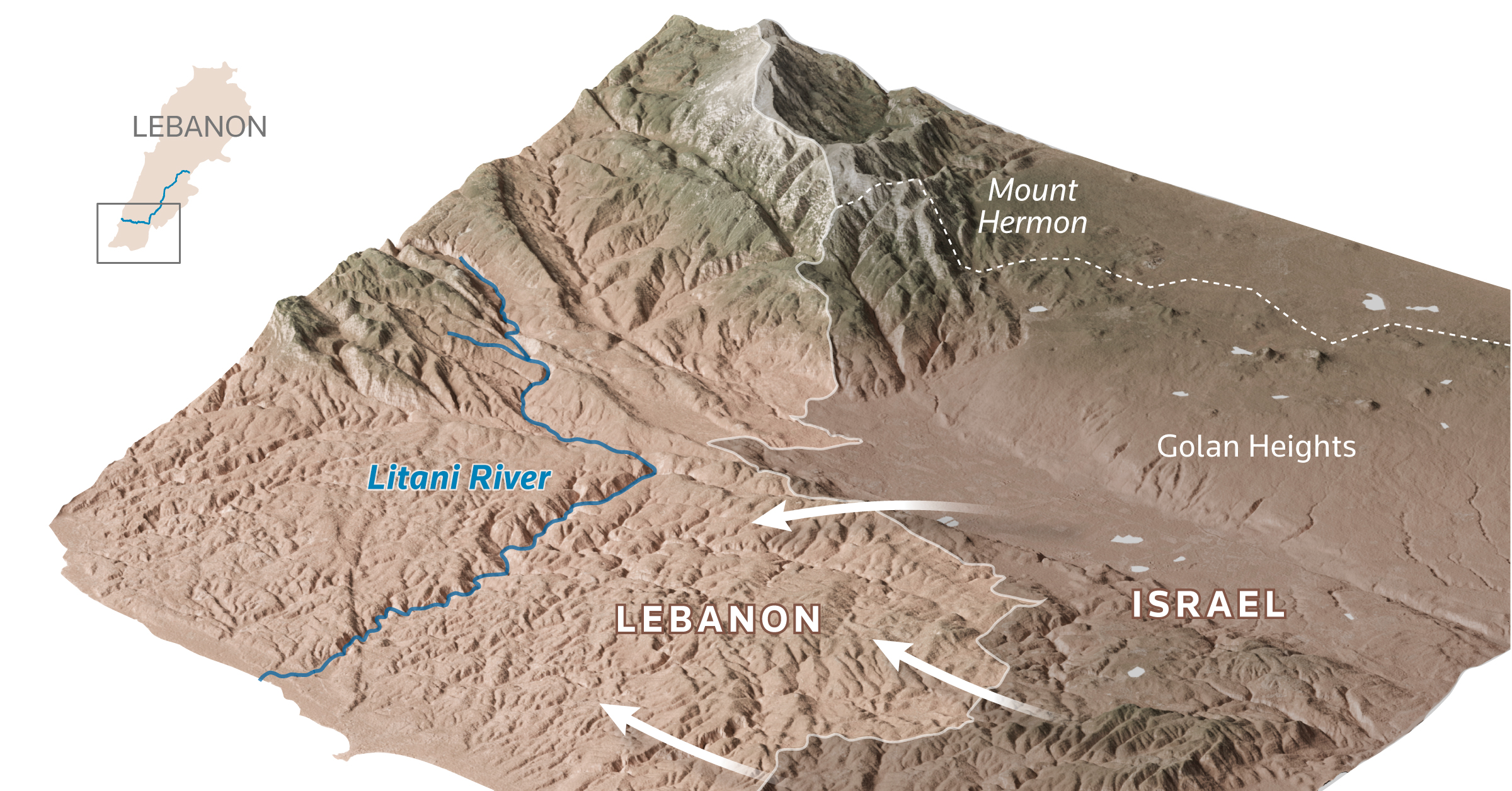
The destruction extends far beyond hospitals. At least seven bridges in southern Lebanon have been destroyed or severely damaged, six of them spanning the Litani River. The Qasmiyeh coastal road bridge was struck twice on March 22 alone. Israel began targeting the bridges less than two weeks into the war, claiming they were being used to transport weapons. The United Nations has warned that the destruction has left tens of thousands of people isolated in southern Lebanon, beyond the reach of humanitarian convoys. Two water stations are out of service, and a key power station was struck on March 19.
The humanitarian consequences are catastrophic. More than 1.2 million people have been displaced across Lebanon, with the Israeli military issuing its largest evacuation order yet — commanding the entire population of southern Lebanon to move north. Dozens of towns have been depopulated. Israeli airstrikes and ground operations have effectively severed southern Lebanon from the rest of the country over the past month.
Israel announced it intends to seize southern Lebanon up to the Litani River to establish a buffer zone against Hezbollah. Israeli Defense Minister Israel Katz stated that Israel plans to destroy multiple Lebanese border towns and maintain an occupation of southern Lebanon after its ground invasion concludes. The planned security zone would encompass nearly one-tenth of Lebanese territory and bar approximately 600,000 people from returning to their homes — an area where hundreds of thousands of Lebanese citizens have lived for generations. Israel occupied southern Lebanon for more than two decades before withdrawing in 2000.
The current war erupted on March 2 after Hezbollah launched strikes on Israel, which the group said was retaliation for the assassination of Iranian Supreme Leader Ayatollah Ali Khamenei two days earlier — an operation Hezbollah attributed to the United States and Israel. A ceasefire between Israel and Hezbollah, in place since November 27, 2024, had already been eroding badly. The United Nations recorded more than 10,000 Israeli ceasefire violations before the agreement fully collapsed.
Lebanon’s healthcare system was already severely weakened before the latest escalation, battered by the country’s catastrophic 2019 financial crisis and the 2023-2024 war. Dr Hassan Wazni, general director of Nabih Berri Governmental Hospital in Nabatieh, southern Lebanon, has described conditions at his facility as dire, with supply chains severed and staff unable to reach the hospital safely. Dr Abdinasir Abubakar, the WHO representative in Lebanon, has warned that the systematic targeting of medical infrastructure is pushing the country’s health system past the point of recovery.
As the war enters its second month, more than 1,200 people have been killed across Lebanon. The Lebanese Health Ministry puts the toll at over 1,100. With southern Lebanon largely cut off, hospitals shuttered, and medical workers killed at an unprecedented rate, international organisations are warning that the humanitarian catastrophe is deepening faster than any relief effort can address it.