Lebanon stands on the brink of a humanitarian catastrophe, the United Nations Refugee Agency warned Friday, as Israeli aerial and ground operations continued to drive mass displacement across the country — from the southern border to the suburbs of Beirut and deep into the Bekaa Valley.
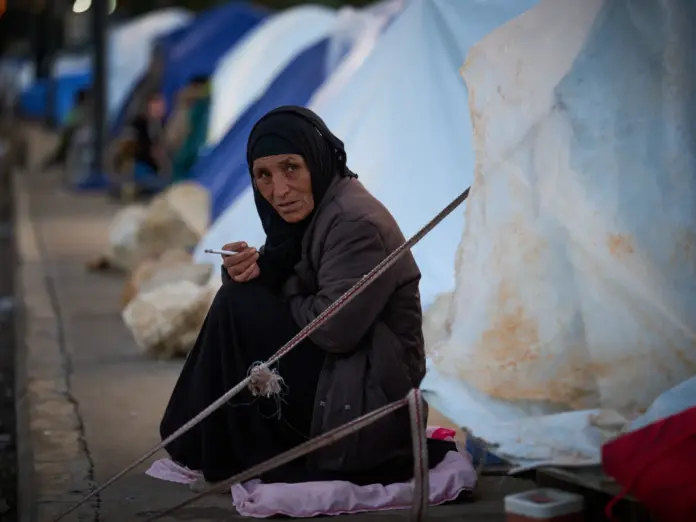
More than 1.2 million people have been forced from their homes since Israel intensified its military campaign in early March, according to UN figures. That figure represents roughly one in five Lebanese citizens. Among those displaced are over 370,000 children, while UNICEF has confirmed that at least 121 children have been killed and a further 399 wounded since the escalation began.
Karolina Lindholm Billing, UNHCR’s representative in Lebanon, delivered a stark assessment during a briefing in Geneva on Friday. She highlighted the destruction of bridges spanning the Litani River in southern Lebanon as a particularly severe blow, warning that the demolition of these crossings has effectively isolated more than 150,000 people and severely restricted the delivery of essential humanitarian supplies to the region.
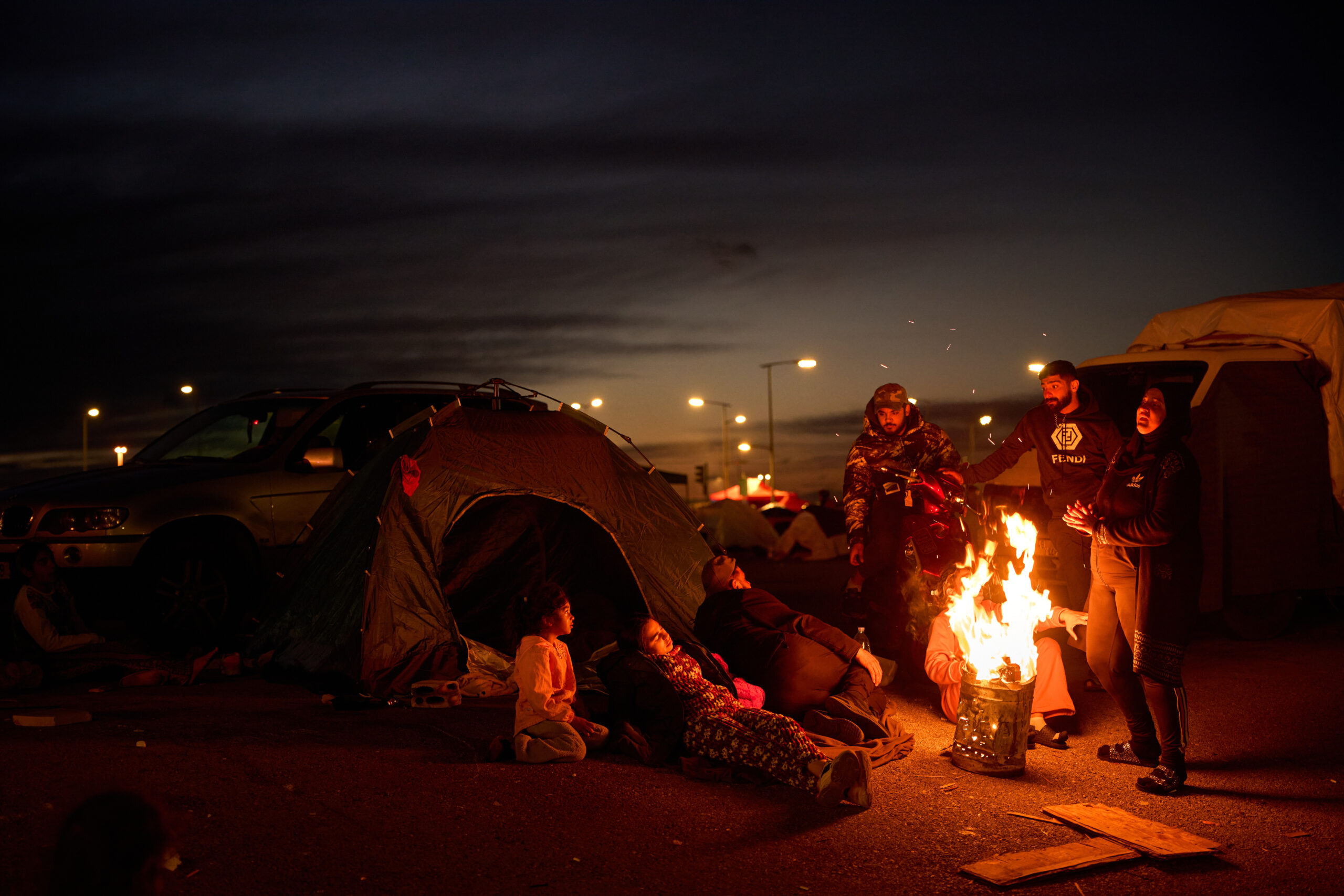
The Israeli military announced a fresh wave of air strikes on Beirut on Friday afternoon, issuing forced displacement orders for the densely populated southern suburbs of Haret Hreik and Burj al-Barajneh. These neighbourhoods had become refuge points for families already uprooted from the south, and recent strikes have hit central Beirut’s collective shelters — areas residents had believed to be safe. Evacuation orders now cover more than 14 percent of Lebanon’s entire territory, and the country’s shelter system is described as critically overstretched.
In southern Lebanon, an airstrike on the village of Saksakiyeh killed four people and wounded eight. Further strikes were reported in the city of Nabatiyeh and surrounding villages, as well as in towns along the coastal Tyre region. White phosphorous was observed near Tyre, raising additional alarm among humanitarian observers. Hezbollah fighters engaged in fierce combat in the coastal villages of Chamaa and Bayada, and panic has spread among residents as evacuation orders extend into areas previously considered beyond the front lines.
Israeli Prime Minister Benjamin Netanyahu announced this week that the military would expand its ground invasion in southern Lebanon, pledging to establish what he described as a "larger buffer zone" inside Lebanese territory. The announcement drew immediate condemnation from Human Rights Watch, which stated on Thursday that forced displacement and collective punishment constitute war crimes under international law.
Hezbollah’s leader, Naim Qassem, showed no sign of backing down, declaring this week that the group had no intention of halting its operations against what he called an enemy that occupies land and pursues daily aggression. The current conflict escalated after Hezbollah launched rockets toward Israeli territory following the February 28 assassination of Iranian Supreme Leader Ayatollah Ali Khamenei during the broader US-Israel war on Iran — an event that has dramatically reshaped the region’s security landscape.
The war’s reach extends well beyond Lebanon’s borders. On Friday, US-Israeli airstrikes destroyed the Khuzestan Steel plant in southwest Iran and the Mobarakeh Steel factory in Isfahan. Israeli Defence Minister Israel Katz stated that military operations inside Iran would continue to escalate and expand. Iranian Foreign Minister Abbas Araghchi disclosed that more than 600 schools have been damaged or demolished across Iran, with over 1,000 students and teachers killed or wounded. A February 28 strike on an elementary school in Minab killed more than 165 people, the majority of them children. Across 20 of Iran’s 32 provinces, 82,000 civilian buildings have been damaged, affecting the homes of approximately 180,000 people.
Regional instability spread further on Friday when Saudi Arabia reported that Iran launched six missiles toward Riyadh. Four fell into the Persian Gulf and uninhabited areas, while two were intercepted. Separately, Mubarak Al Kabeer Port in Kuwait — a facility under construction as part of China’s Belt and Road Initiative — came under attack by drones and cruise missiles, signalling a broadening of the conflict’s geographic footprint.
Back in Lebanon, aid workers warn that the combination of bridge destruction, mass displacement, and ongoing strikes is creating conditions that could overwhelm any remaining humanitarian response capacity. With winter shelter needs unmet, civilian infrastructure in ruins, and no ceasefire in sight, the UN’s warning of catastrophe carries an urgency that grows with each passing day.