Kyiv Strike Prisoner Exchange — A Russian cruise missile tore through a residential apartment block in south-east Kyiv on Friday, killing 24 people — among them three girls and several community figures — while, in a stark juxtaposition, diplomats finalised the first stage of the largest prisoner exchange of the war.
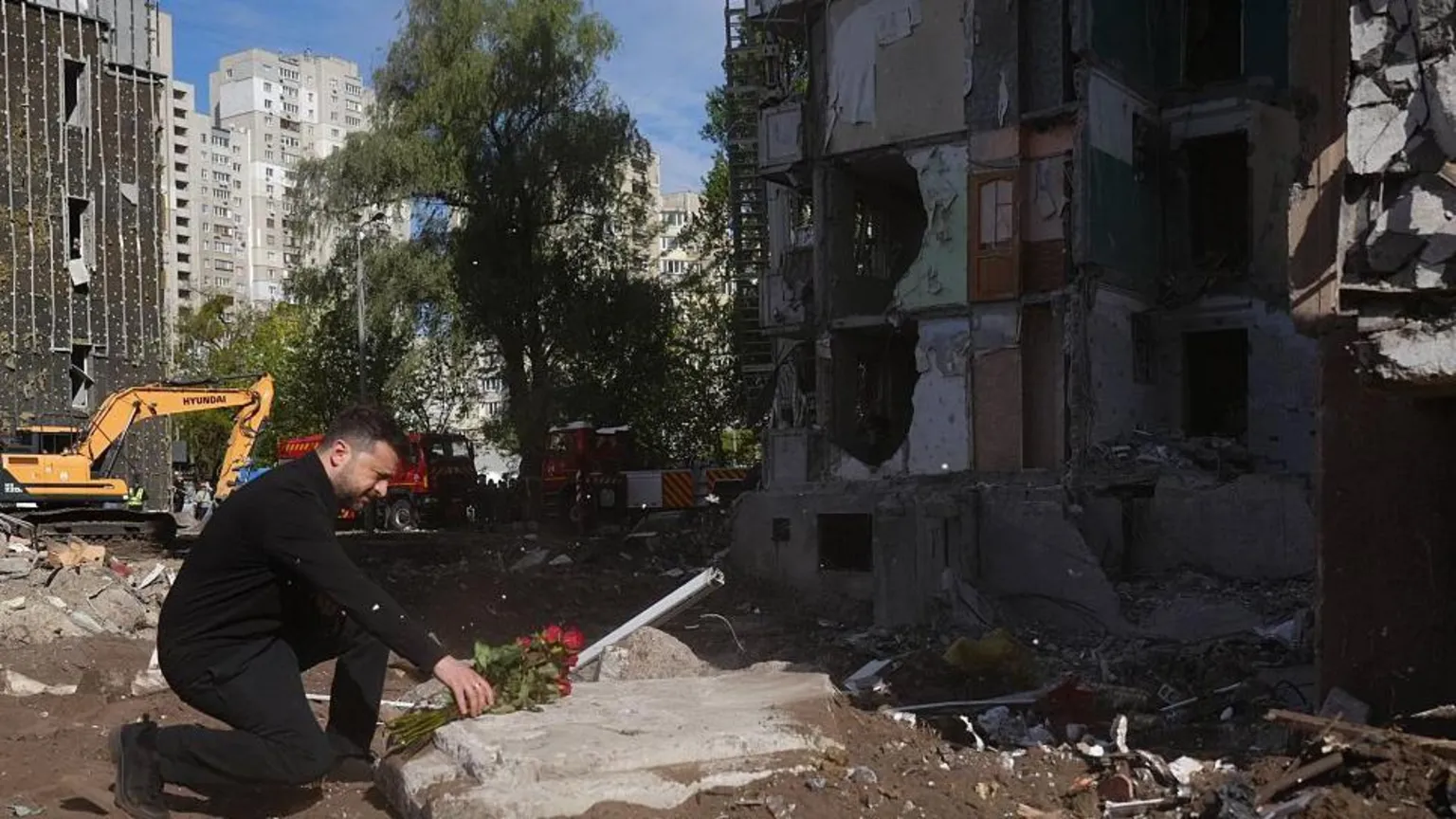
Rescue workers concluded a gruelling 28-hour operation at the destroyed building in the Darnytskyi district, recovering the dead and pulling survivors from the rubble. President Volodymyr Zelensky confirmed the weapon was a Russian X-101 cruise missile, produced within weeks of the attack, and said it had reduced 18 flats to rubble — most of them single-room apartments or the bathrooms and kitchens of two-room units. Prime Minister Yulia Svyrydenko said rescuers managed to save 30 lives.
The human toll carried names and stories. Lyubava Yakovleva, 12 years old, was among the dead; her father had already been killed during the war, and her elder sister, initially listed as missing, was later confirmed to have also perished. Two colleagues from the Nova Poshta postal service — both named Dmytro — died in the strike. Former hockey player Yuriy Orlov and his 24-year-old girlfriend Maryna Homeniuk, an English teacher, were killed, as was kindergarten teacher Svitlana Moskalishyna. The three girls who died were aged 12, 15, and 15. An 18-year-old named Ivan was among those who rushed to the scene to help pull victims from the wreckage.
Recommended Reading
The same day brought a rare moment of relief. Russia and Ukraine exchanged 205 prisoners of war in the first stage of a planned swap of 1,000 captives on each side, a deal brokered by the United States and the United Arab Emirates. Most of the Ukrainians freed had been held since 2022, including fighters who endured the brutal siege of Mariupol in the early months of the full-scale invasion. Russia’s defence ministry said 205 Russian prisoners were transported to Belarus to receive medical and psychological support.
The exchange unfolded against a backdrop of continued aerial bombardment. Ukrainian officials reported that 1,410 Russian drones and 56 missiles were launched at Ukrainian cities during a single 24-hour period from 13 to 14 May, underscoring the scale of Russia’s ongoing campaign even as limited diplomatic gestures proceeded.
Russia, too, reported casualties from the conflict. Russian officials said Ukrainian drones struck the city of Ryazan, south-east of Moscow, killing four people including a child and wounding 28 others. Images circulated showing damage to two residential blocks in the city. A Ukrainian drone commander stated that the strikes had hit Ryazan’s oil refinery, which he described as one of the largest in Russia.
The dual strikes — on a Kyiv apartment block and a Russian city — illustrated the war’s grinding, reciprocal destruction more than three years after Russia’s full-scale invasion began. A brief three-day ceasefire observed from 9 to 11 May, timed to coincide with Russia’s scaled-down Victory Day parade in Moscow, has since expired with no resumption of formal talks. There have been no negotiations between the two sides since February.
Kyiv Strike Prisoner Exchange: The Wider European Impact
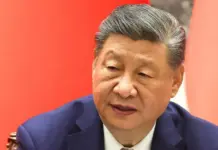
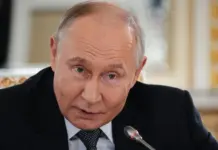
President Putin last Saturday described the war as ‘heading to an end,’ though his government has offered no concrete peace framework. Meanwhile, the Kremlin confirmed that Putin plans to visit Chinese President Xi Jinping in the near future, with spokesman Dmitry Peskov saying the two leaders would discuss bilateral relations and broader international matters. The meeting follows Xi’s recent talks with US President Donald Trump, during which Xi invoked the concept of the Thucydides Trap — a reference to the ancient rivalry between Athens and Sparta — as a cautionary signal about great-power competition.
For the families in Kyiv’s Darnytskyi district, geopolitical abstractions offered little comfort. The missile that struck their building was, Zelensky noted, freshly manufactured — evidence, he argued, that Russia’s military-industrial machine continues to produce weapons of war even as some officials speak of an approaching end to hostilities.