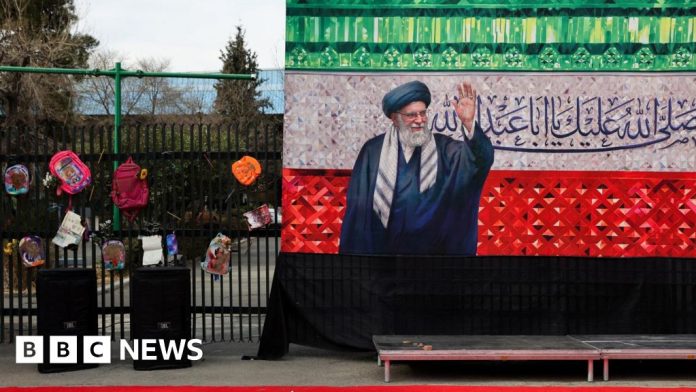
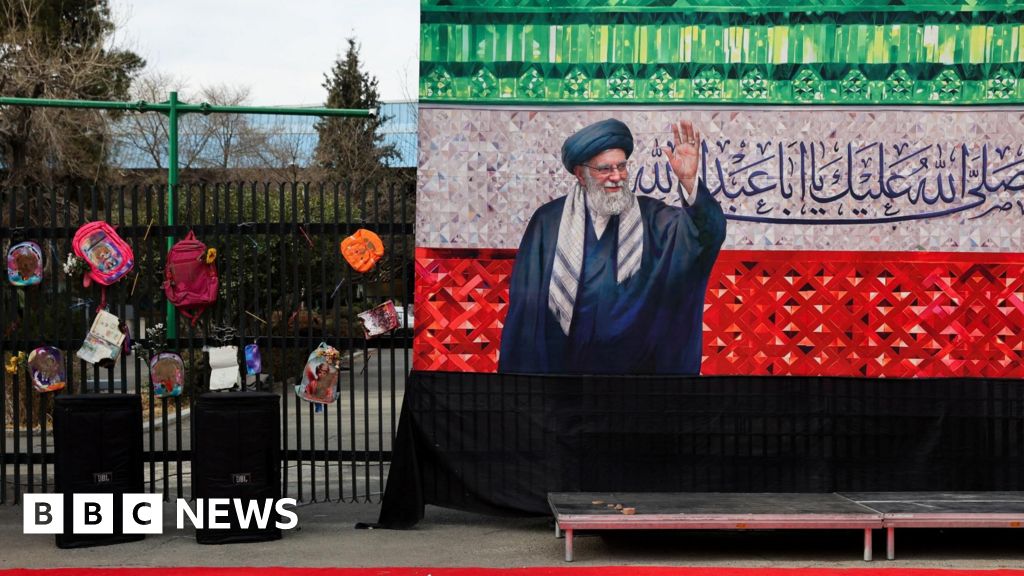
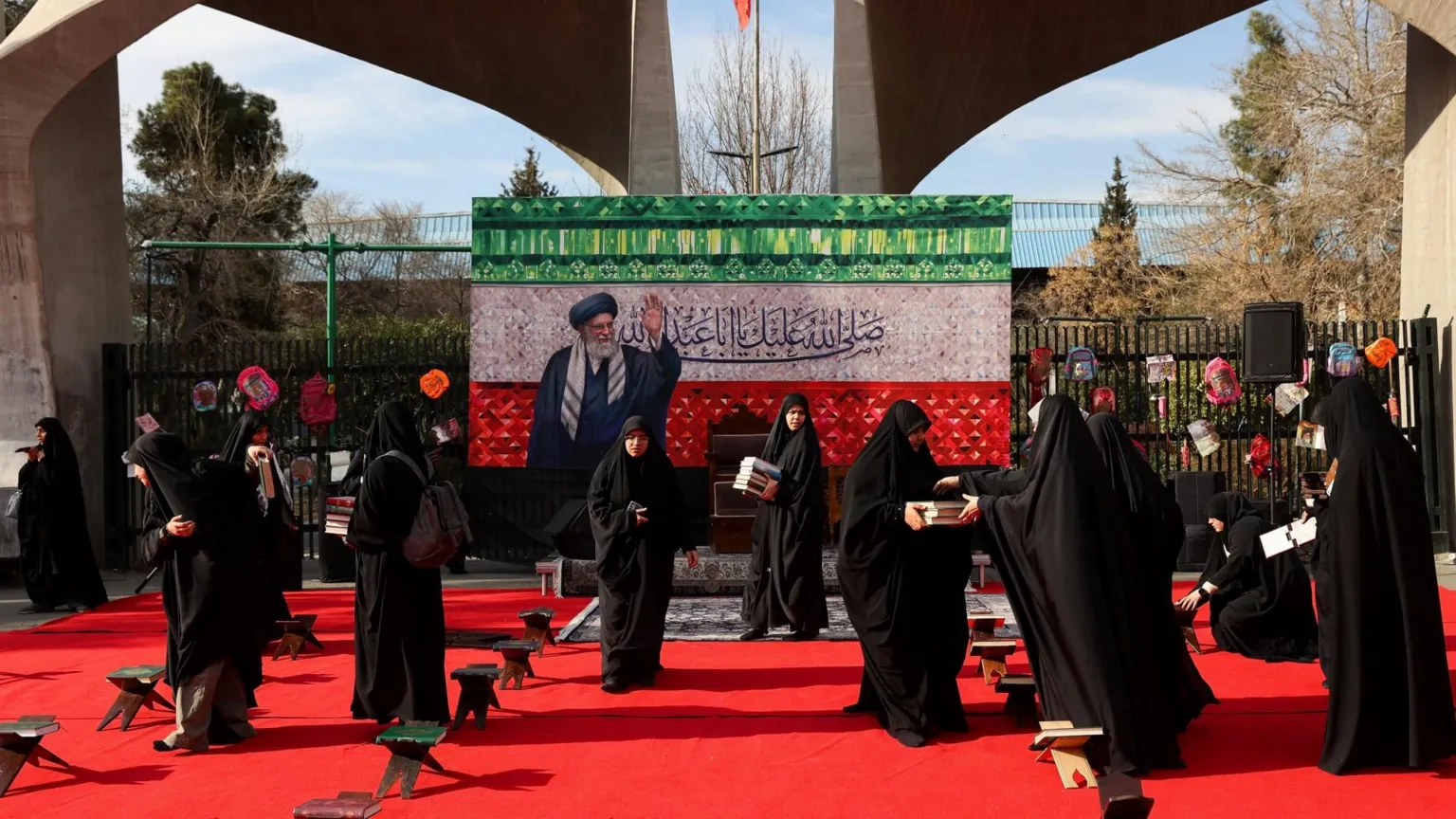
TEHRAN — Iran postponed the state funeral for Supreme Leader Ayatollah Ali Khamenei on Wednesday, citing expectations of unprecedented public turnout, as a sweeping US-Israeli military assault continued to inflict devastating losses on the Islamic Republic and draw the wider region deeper into crisis.
Khamenei, 86, was killed Saturday when US and Israeli forces struck his compound in Tehran, also killing his wife, one of his adult sons, and several senior officials. The ceremony had been scheduled to begin at 10:00 pm local time (1830 GMT) at the Imam Khomeini Grand Mosque in Tehran, where the faithful were to pay their final respects before a planned three-day state mourning period. He will ultimately be buried in Mashhad, his home city in northeastern Iran.
The scale of the conflict is staggering. Iran’s state news agency IRNA reported 1,045 military personnel and civilians killed since hostilities began. The US-based Human Rights Activists News Agency placed the civilian death toll even higher, at 1,097, including 181 children under the age of ten.
In one of the conflict’s most dramatic naval engagements, a US submarine sank the Iranian navy frigate Iris Dena in the Indian Ocean off the coast of Sri Lanka. US Secretary of Defence Pete Hegseth confirmed the sinking, and Sri Lanka’s defence secretary said 80 bodies had been recovered from the wreck. Thirty-two survivors were rescued, with dozens more still missing.
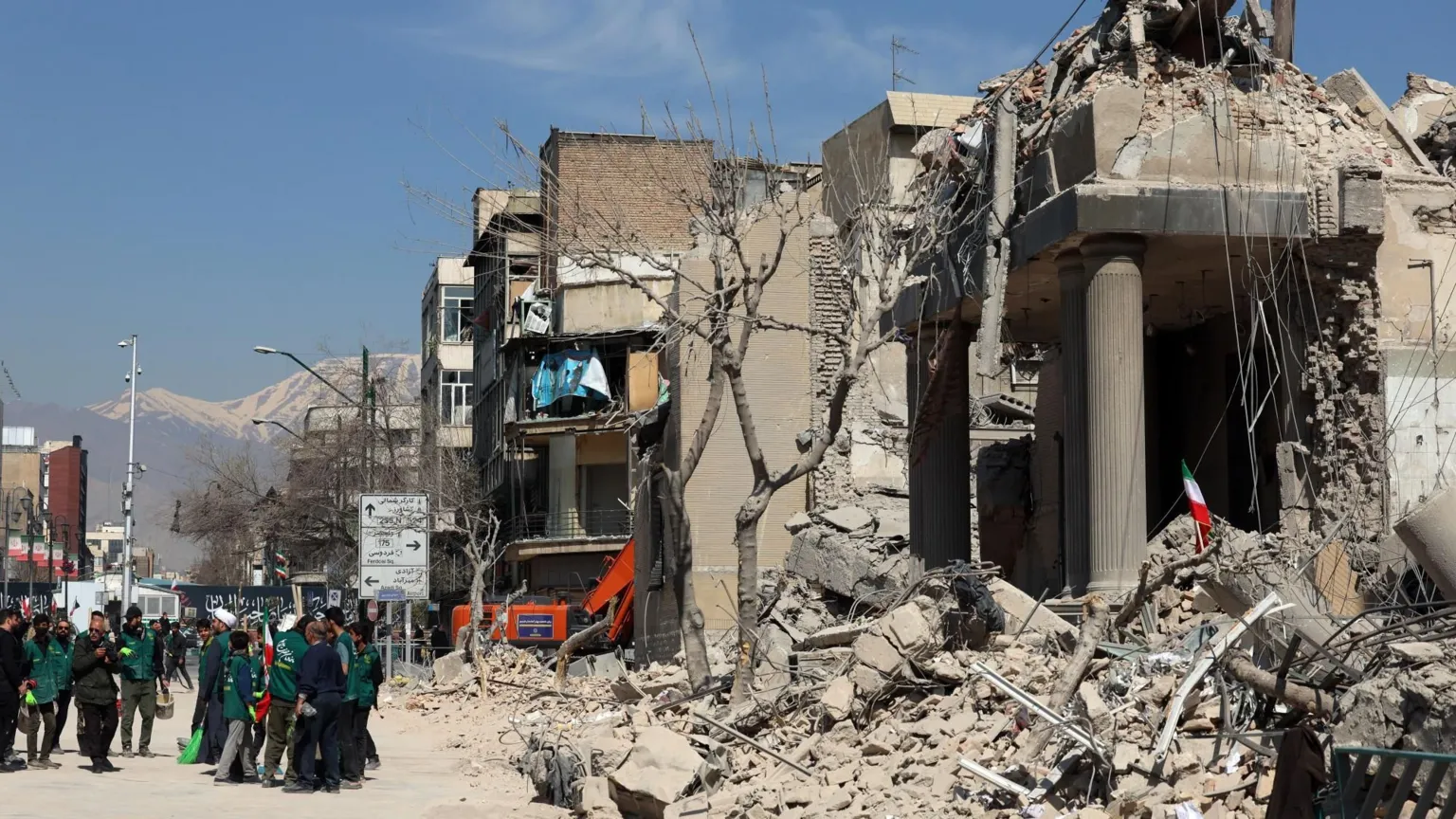
The air campaign over Tehran has been relentless. More than 100 Israeli fighter jets dropped approximately 250 munitions on a military compound in eastern Tehran. Israeli forces also struck ballistic missile arrays, air defence systems, a missile storage and production facility, and defence and detection systems at Mehrabad Airport. An Israeli F-35 shot down an Iranian Yak-130 aircraft over the capital during the assault.
Iran has responded with its own offensive, launching hundreds of missiles and drones at Israel and at neighbouring Arab states hosting US military installations. Ten people have been killed in missile strikes inside Israel over the past five days.
The conflict’s reach has extended well beyond Iran’s borders. In Kuwait, an 11-year-old girl died after being struck by falling shrapnel during an Iranian attack — the latest in a string of fatalities that now includes six US service personnel, two Kuwaiti army soldiers, and one other civilian, bringing Kuwait’s total death toll to ten since the conflict began.
In Saudi Arabia, a drone attack on the Ras Tanura oil refinery on Monday forced a partial halt to operations after sparking a fire. A second attempted drone strike on the same facility on Wednesday caused no reported damage or disruption. Turkey’s defence ministry confirmed that NATO air and missile defence systems intercepted an Iranian missile heading toward Turkish airspace. In Qatar, the State Security Service announced the arrest of ten individuals from two cells allegedly linked to the Islamic Revolutionary Guard Corps.
Iraq’s most senior Shiite cleric, Grand Ayatollah Ali Sistani — himself Iranian-born and commanding millions of followers across the Muslim world — issued his sharpest condemnation of the war on Wednesday. Sistani called on all Muslims and people of conscience globally to denounce the assault on Iran, urged every nation — particularly Islamic states — to work immediately to end the fighting, and pressed for a just and peaceful resolution to the Iranian nuclear issue.
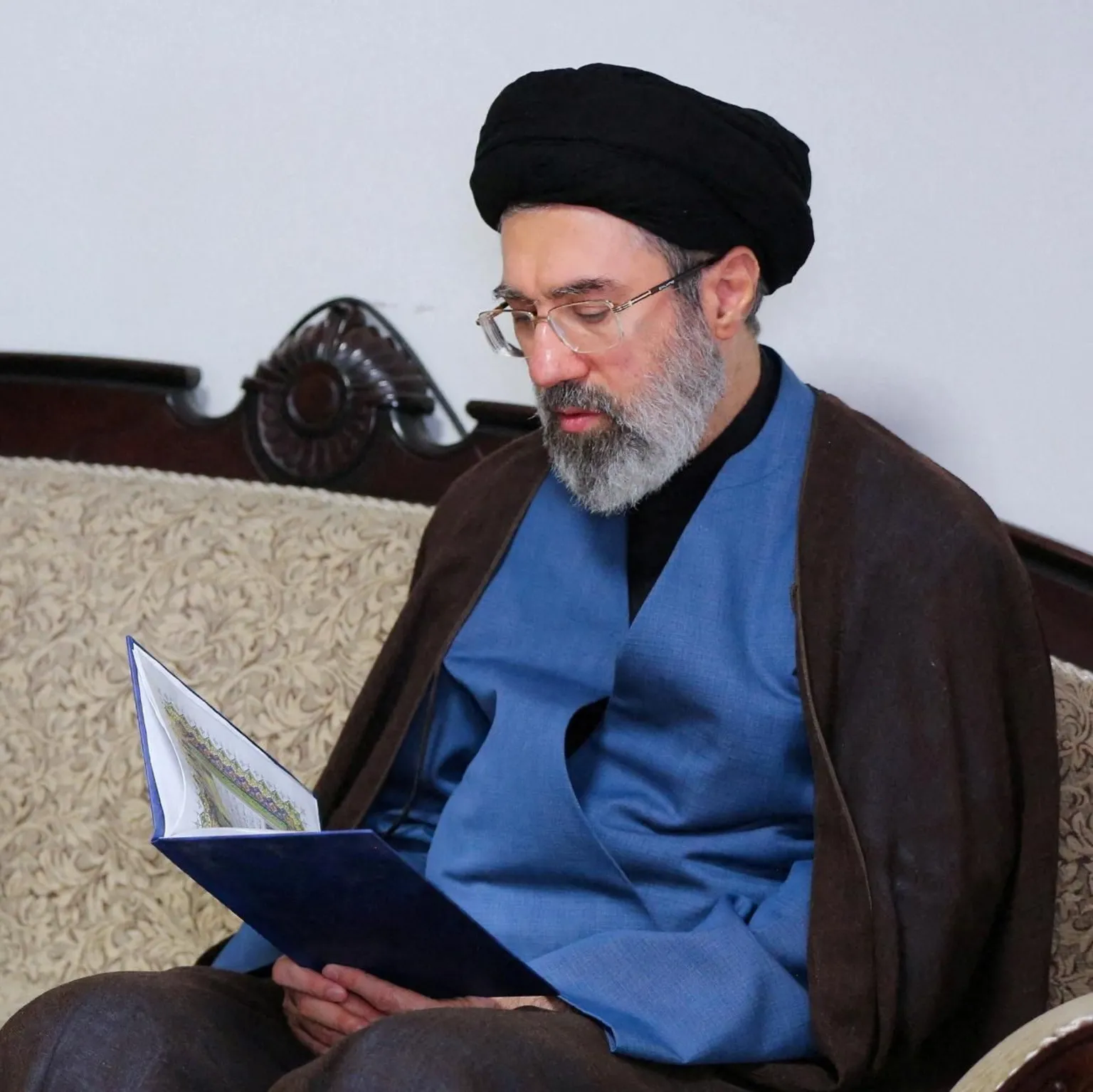
With Khamenei dead, attention has turned urgently to the question of succession. Iran’s Assembly of Experts, an 88-member body elected by Iranians every eight years, holds the constitutional authority to select a new supreme leader. The front-runner is widely considered to be Mojtaba Khamenei, the late leader’s 56-year-old son, who has cultivated close ties with conservatives and the IRGC. His elevation, however, would mark a dynastic turn unprecedented in the Islamic Republic’s history.
Khamenei assumed the role of supreme leader in 1989 following the death of the republic’s founder, Ayatollah Ruhollah Khomeini, and held the position for more than three decades. His tenure was marked by deep internal repression: human rights groups documented that security forces under his command killed at least 6,480 people during nationwide protests in late December and early January alone.
The postponement of his funeral underscores the extraordinary disruption gripping Iran as its leadership scrambles to manage both a military crisis and a constitutional vacuum at the very apex of power.