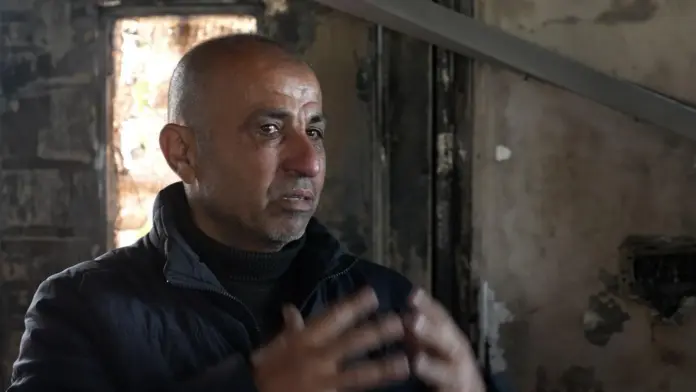
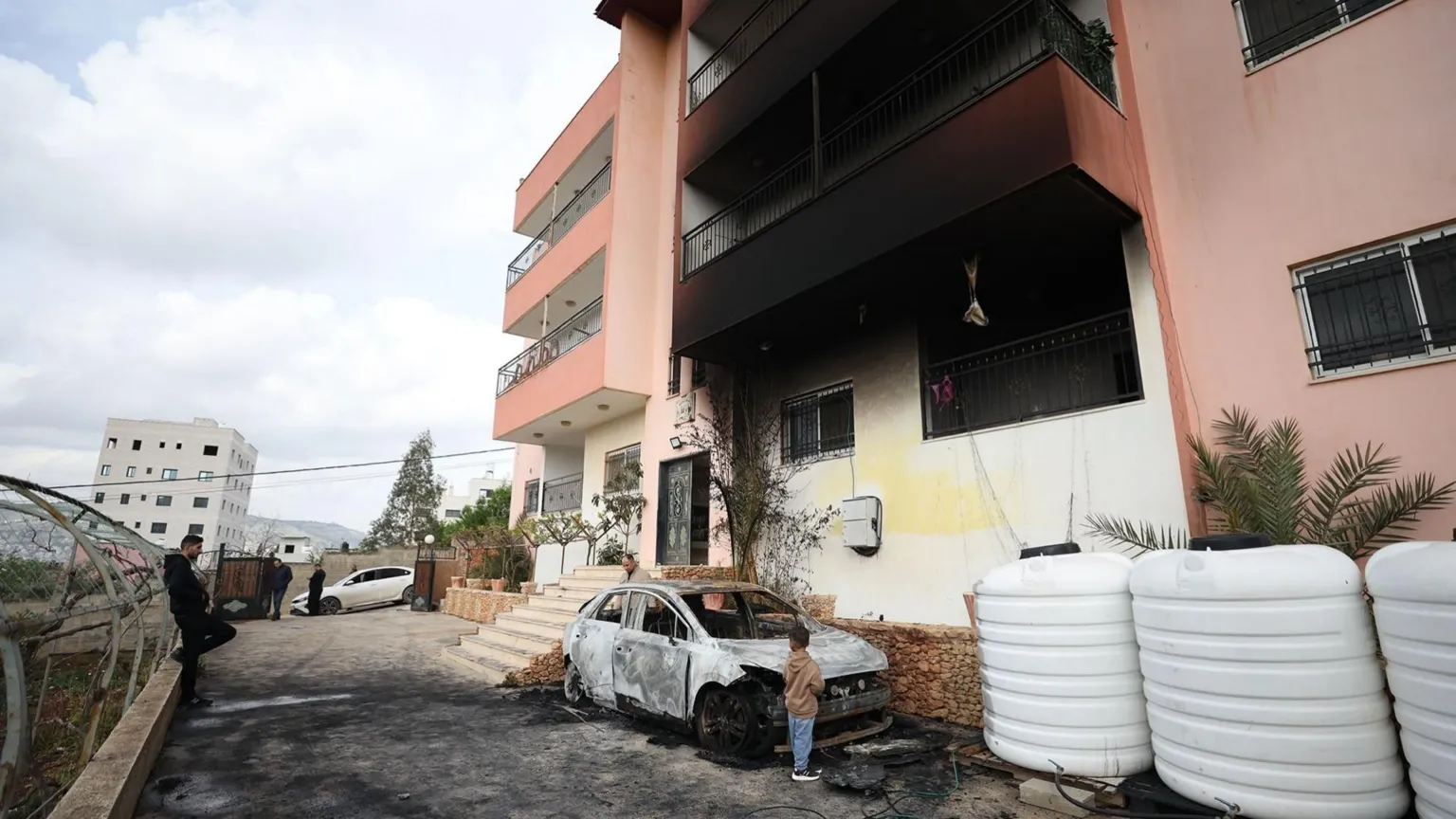
A mob of Israeli settlers descended on the Palestinian village of Deir al-Hatab near Nablus on Sunday, opening fire on a family home and setting it ablaze in one of the most serious attacks the community has ever experienced. Barhan Omar and his children survived only by taking refuge on their rooftop as the villa burned beneath them.
At least ten villagers were injured during the rampage, the majority struck by thrown stones. One man was shot in the foot. Residents described soldiers stationed in a nearby watchtower as passive observers who did nothing to intervene as the mob moved through the village.
The attack followed the funeral of Yehuda Sherman, an 18-year-old from the adjacent settlement of Elon Moreh, which drew hundreds of mourners and several senior Israeli politicians. Sherman was killed when his all-terrain vehicle was reportedly struck by a Palestinian driving a pick-up truck near his outpost. His death triggered the assault on Deir al-Hatab, a village that had not previously suffered an attack of this scale or ferocity.
The violence is part of a pattern that has intensified sharply since the Hamas-led attacks on Israel in October 2023. The United Nations has recorded the killing of six Palestinians by settlers since the start of the Iran war alone. Two weeks before the Deir al-Hatab attack, residents of Khirbet Humsa in the northern Jordan Valley accused settlers of sexually assaulting a man and beating others; Israeli police subsequently made seven arrests in connection with that incident.
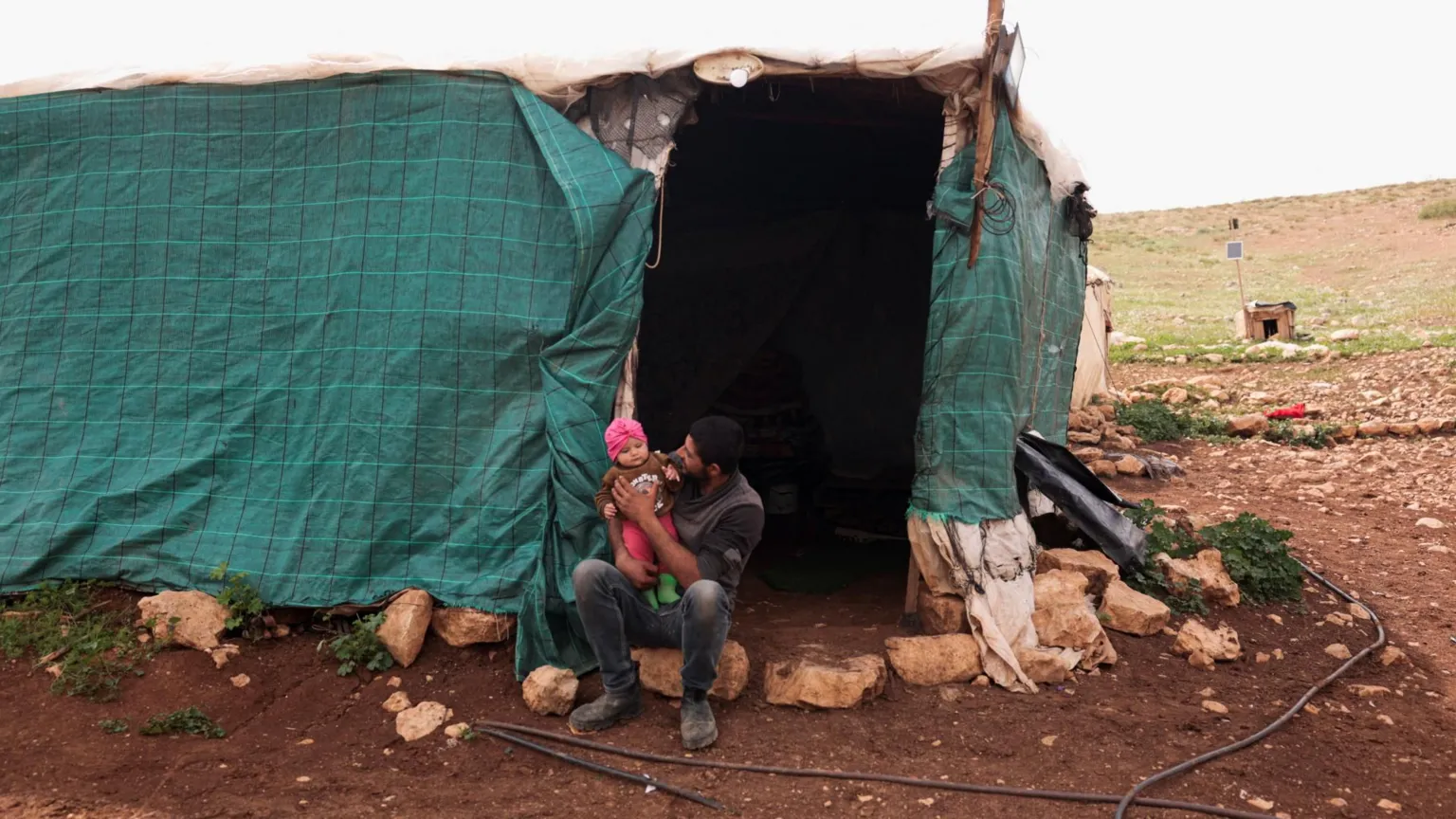
The cumulative toll of settler violence on Palestinian communities is staggering. Between January 2023 and mid-February 2026, at least 4,765 Palestinians from 97 separate locations were displaced, the vast majority from Bedouin and herding communities living in Area C — the roughly 60 percent of the West Bank that has been under full Israeli military and civil control since the 1993 Oslo Accords. At the start of 2026, some 600 people were forced from the Bedouin village of Ras Ein al-Auja in the Jordan Valley in a single displacement event.
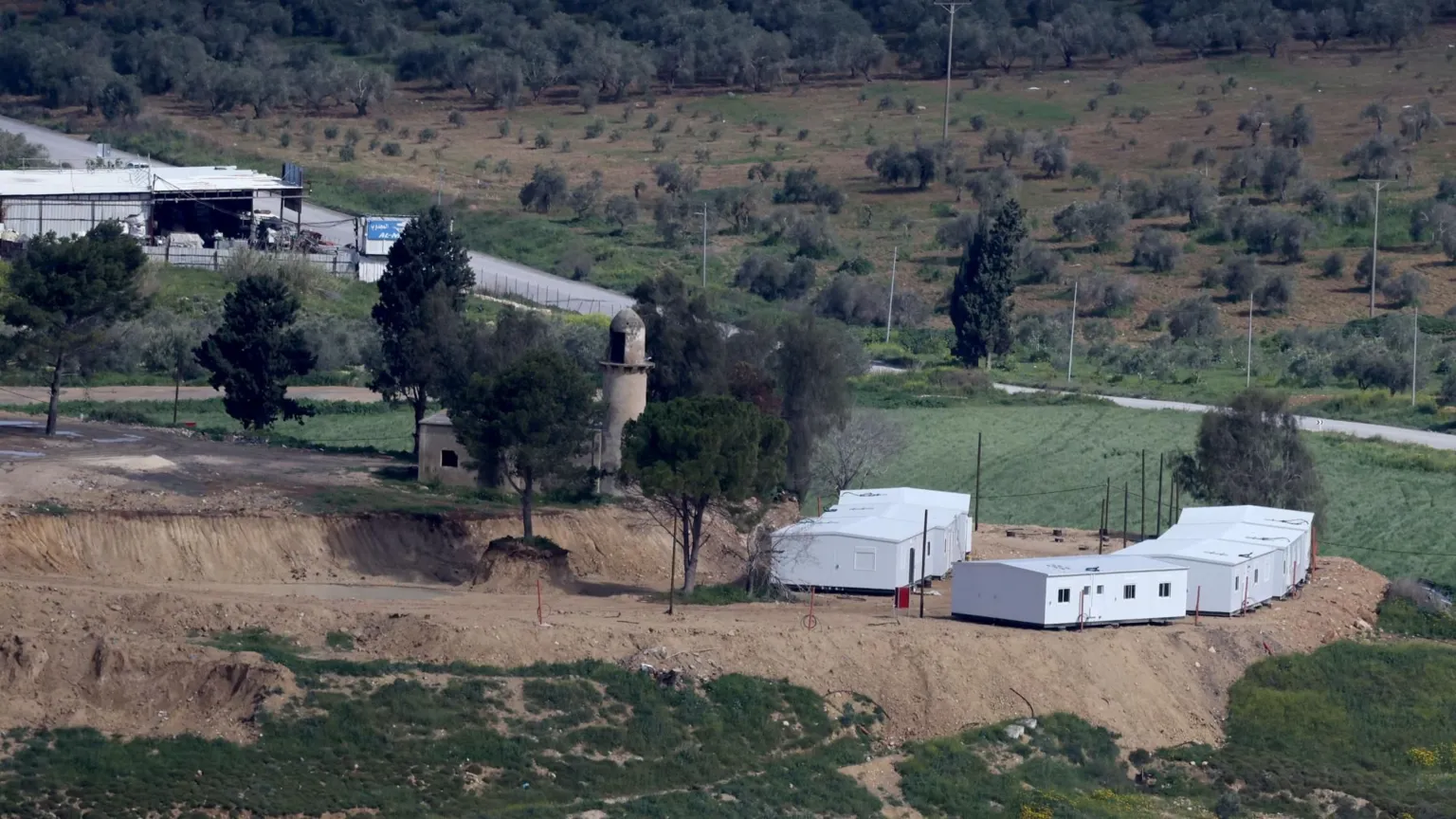
Analysts and humanitarian workers note a troubling shift in the geography of settler attacks. While Bedouin communities in Area C have historically borne the brunt of settler pressure, violence is increasingly targeting built-up Palestinian villages in Area B — zones where the Palestinian Authority holds civil authority but Israel retains security control. Deir al-Hatab falls into this category, and settlers are already reported to be planning a new outpost on a hillside track near the village, raising fears of further encroachment.
Last year set a record for the most extensive expansion of settlements and planning approvals since the United Nations began monitoring the situation. All Israeli settlements in the West Bank are considered illegal under international law, a position consistently upheld by the international community.
At the centre of settlement policy stands Finance Minister Bezalel Smotrich, himself a settler and one of the most influential architects of the current government’s approach to the West Bank. Smotrich has claimed to have approved or retroactively authorised 69 new settlements, declared vast tracts of land as state property, and pledged to "settle all our land in all its parts." The United Kingdom has sanctioned him for inciting violence in the West Bank.
Israel’s military chief of staff, Lt Gen Eyal Zamir, has publicly condemned settler violence as "morally and ethically unacceptable," a rare rebuke from within the security establishment. Yet residents of Deir al-Hatab say the soldiers who watched Sunday’s attack unfold without acting tell a different story about enforcement on the ground.
For Barhan Omar, the immediate reality is a burned home and traumatised children. For the wider Palestinian population of the northern West Bank, the attack on a previously untouched village signals that no community can consider itself beyond the reach of settler violence.