TEHRAN — Israeli warplanes struck a uranium processing facility, a heavy water complex, two major steel plants, and sites near Iran’s only operational nuclear power station on Friday, deepening a conflict that has now killed more than 1,900 people in 28 days and pushed the two countries closer to an all-out industrial war.
The Israeli Air Force described the targeted plant in Yazd, in central Iran, as a ‘unique facility’ within Iran’s nuclear infrastructure — one used to extract raw materials for uranium enrichment. Iran’s Atomic Energy Organization confirmed the strike but said it caused no casualties and no radiation leaks. A separate projectile struck near the Bushehr Nuclear Power Plant on Iran’s southern coast; Iranian authorities said that attack also produced no casualties, financial loss, or technical damage.
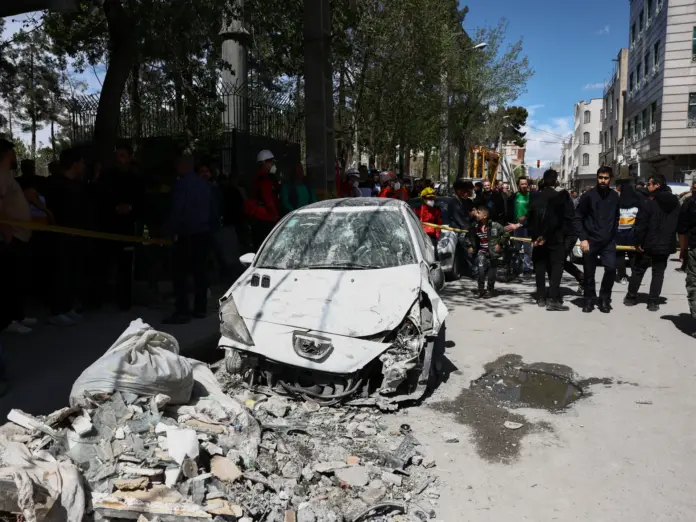
The Khondab Heavy Water Complex, also in central Iran, was hit in the same wave of strikes. Industrial targets bore the brunt of the afternoon raids: the Khuzestan Steel facility and the Mobarakeh Steel complex in Isfahan were both struck, along with power infrastructure and production lines across multiple sites. Strikes hit areas in and around Tehran, the city of Kashan, and Ahwaz. In Qom, 18 people were killed.
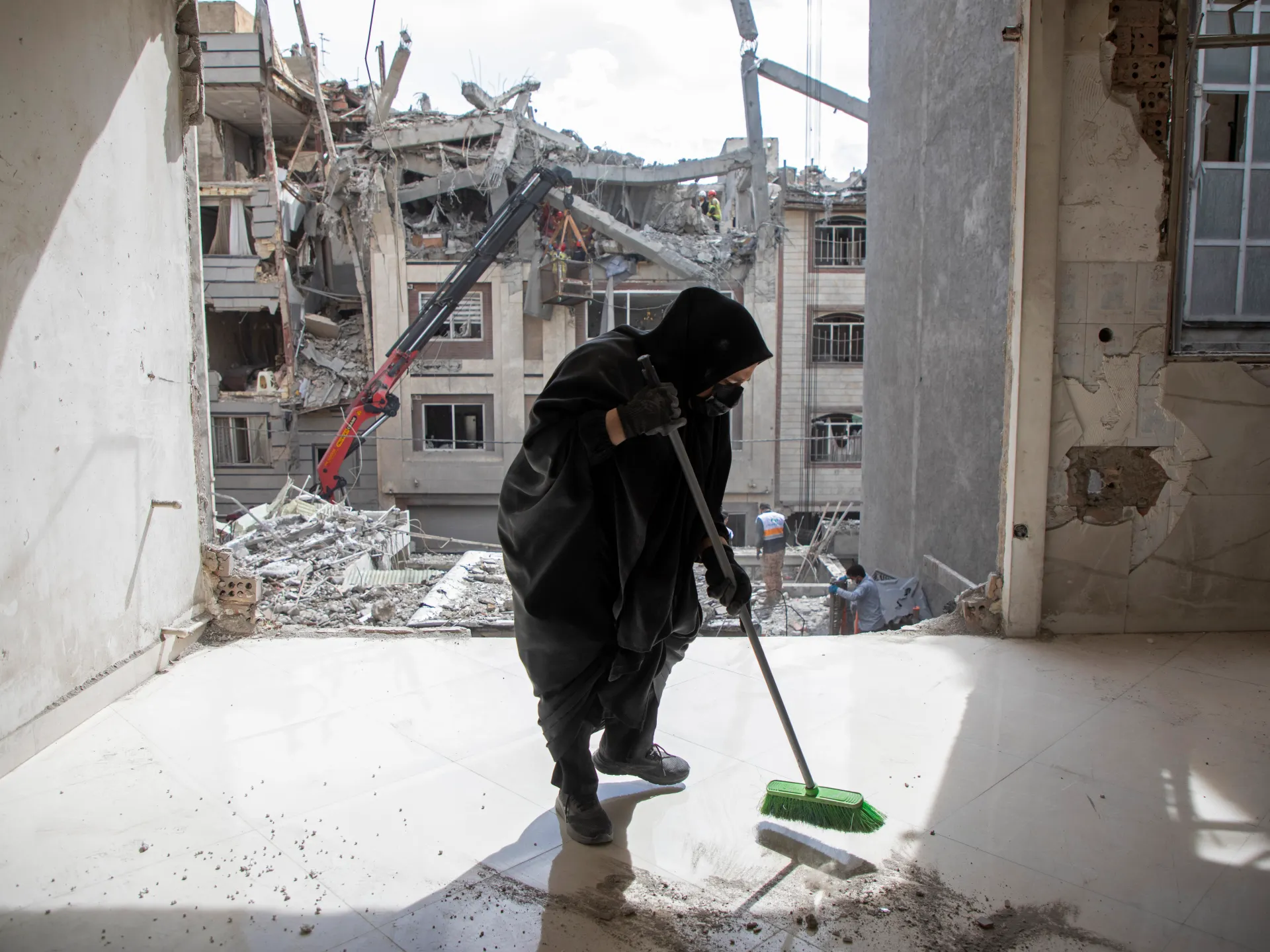
The attacks on Friday marked the 28th consecutive day of fighting since the war began on February 28. Iranian authorities say the cumulative death toll from US-Israeli strikes has now reached nearly 2,000. Officials have also reported that at least 120 museums and historical sites across the country have been damaged since hostilities began.
Israeli Defence Minister Israel Katz said Israel would ‘intensify’ its campaign and expand the range of sites it targets. Iranian Foreign Minister Abbas Araghchi responded that Iran would ‘exact a heavy price’ for the attacks. IRGC Aerospace Commander Seyed Majid Moosavi issued a stark warning, saying ‘the equation will no longer be an eye for an eye,’ and urged employees of US and Israeli-linked industrial companies across the region to immediately vacate their workplaces.
The Strait of Hormuz, through which a significant portion of global oil flows, has become a flashpoint. Iran’s Revolutionary Guard said it turned back three ships attempting to transit the waterway on Friday. The United Nations announced the creation of a task force to establish a mechanism to keep fertiliser shipments moving through the strait. The World Food Programme warned the conflict could push the number of food-insecure people globally from 318 million to 363 million if the disruption continues.
Diplomatic channels remain open but strained. US President Donald Trump said Thursday he had delayed planned strikes on Iran’s energy infrastructure by 10 days, pushing the potential operation to April 6, and described negotiations as going ‘very well.’ Iranian officials flatly rejected that characterisation, calling Washington’s proposals ‘one-sided and unfair.’ Tehran has outlined its own conditions for ending the war, including war reparations and formal recognition of Iranian control over the Strait of Hormuz. Pakistan said it is actively relaying messages between the two sides, while Turkey and Egypt are also supporting mediation efforts. US Secretary of State Marco Rubio said he expected the operation to conclude in ‘weeks, not months.’
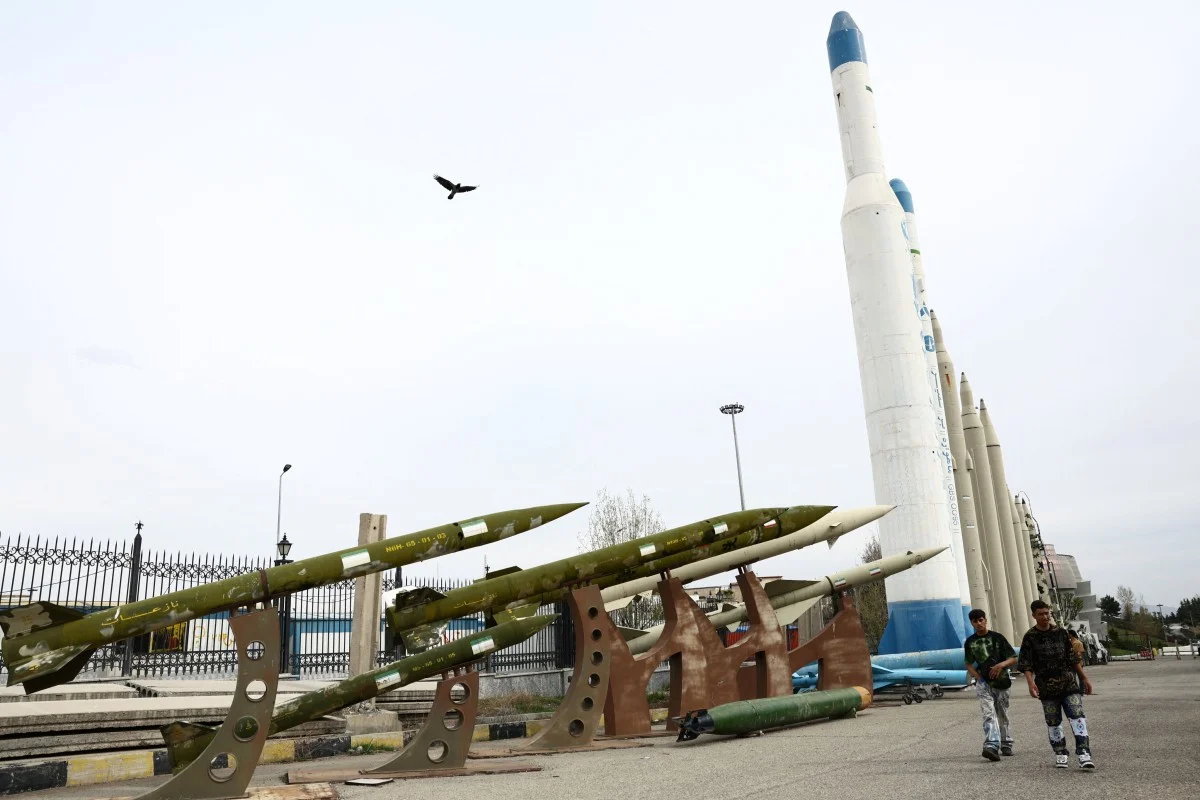
Washington has deployed thousands of additional soldiers to the region, and there are indications the US may be preparing to attempt occupation of one or more islands along Iran’s southern coastline. An IRGC-linked media personality, Javad Mogoei, released a video suggesting the Guard could launch missiles and drones at any Iranian islands seized by US forces.
Inside Iran, the war has transformed daily life into something resembling a siege. The internet has been completely blocked to the civilian population for nearly a month — the longest recorded shutdown in the country’s history — leaving more than 90 million people cut off from outside information. Masked forces wielding assault rifles and machine guns mounted on pick-up trucks man checkpoints and roadblocks throughout Tehran. Many of those positions, operated by the Basij, the IRGC, police, and plainclothes units, have been targeted by drone strikes over the past two weeks.
In a move that drew international condemnation, IRGC Deputy for Cultural Affairs in Tehran Rahim Nadali announced on state television that the minimum age for joining armed patrols has been lowered to 12 years old. Residents in western Tehran described convoys of vehicles escorting pick-up trucks fitted with loudspeakers broadcasting religious slogans through their neighbourhoods. Local residents have been summoned to mosque gatherings to denounce the United States and Israel.
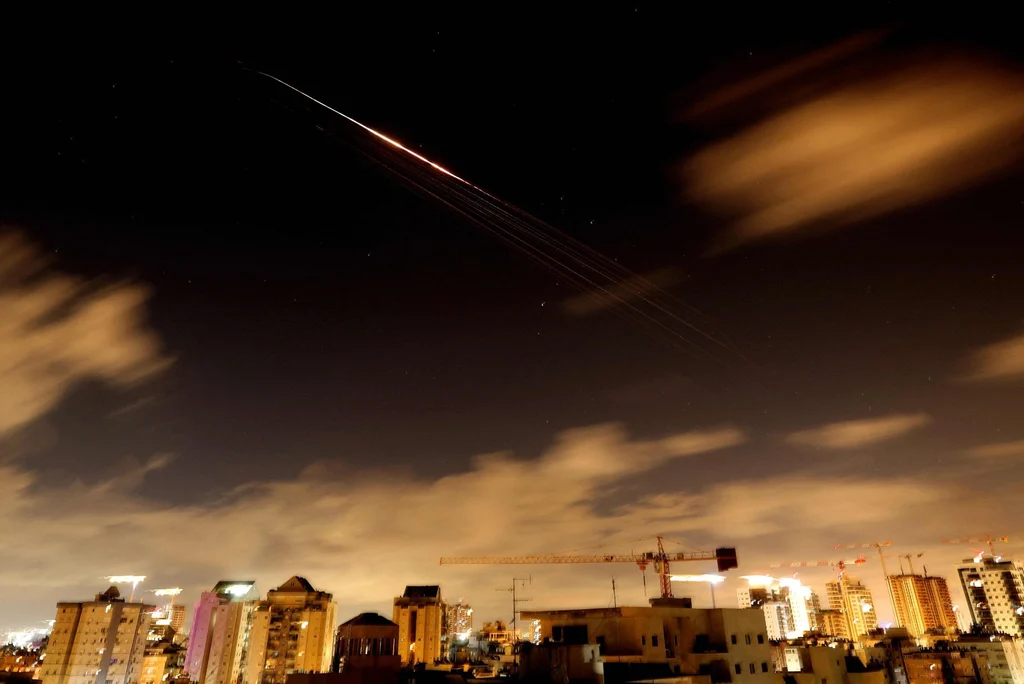
The US and Israel have urged Iranians to remain in their homes and await a ‘clear signal’ to overthrow the Islamic Republic. Iranian authorities have warned that anyone who protests against the government during the war will be treated as an ‘enemy.’ The judiciary announced asset seizures against Ali Sharifi Zarchi, a former professor at Sharif University of Technology, after determining he had ‘transformed into an anti-Iran element’ through tweets and interviews critical of the Islamic Republic.
President Masoud Pezeshkian visited a Tehran hypermarket on Friday to demonstrate the availability of essential goods, as the government continues distributing a small cash subsidy introduced following nationwide protests in January — demonstrations that the United Nations and international human rights groups say resulted in the killing of many thousands of people by state forces on January 8 and 9. With inflation running at approximately 70 percent and the economy under sustained military pressure, the subsidy offers limited relief to a population caught between an ongoing air campaign and an increasingly militarised state.