An Israeli special forces raid on the Bekaa Valley village of Nabi Chit killed at least 41 people and wounded 40 others, the Lebanese health ministry confirmed, as Israeli troops attempted to recover the remains of a military navigator who vanished in Lebanon four decades ago. The mission failed to locate the remains, and the dead included three Lebanese soldiers.
The operation centred on Ron Arad, an Israeli Air Force navigator who was forcibly ejected from an F-4 aircraft in 1986 and disappeared into Lebanese territory. Despite decades of intelligence work, his fate remained unresolved until Hezbollah declared in 2008 that he had died. The latest mission was launched on the basis of intelligence reportedly obtained from a Lebanese security official, Ahmad Shuker, who was abducted by Israeli operatives in December. The grave excavated during the raid yielded nothing.
Four Israeli helicopters crossed into Lebanese airspace late Friday night, flying low toward a border area between Lebanon and Syria. Two of the aircraft landed and deployed special forces soldiers onto the ground. Simultaneously, a large-scale aerial bombardment began, with approximately 40 airstrikes pounding the surrounding area. A resident, Shavk al-Masri, described helicopters flying so low over his house that local residents began shooting at them — at which point Israeli jets commenced bombing runs that left a large crater in the village and caused serious structural damage to surrounding buildings.
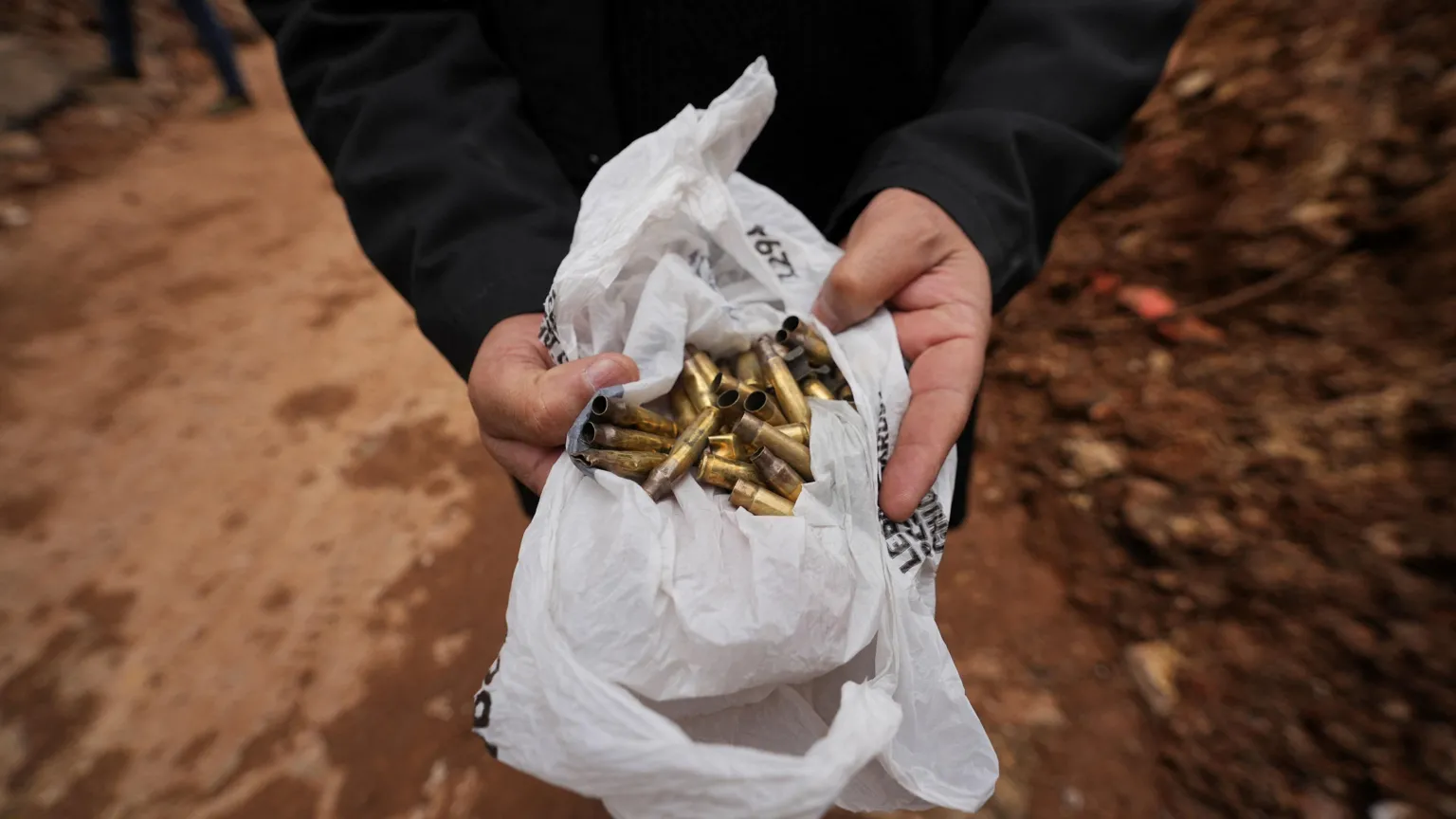
The operation employed a striking degree of deception. Witnesses reported that Israeli soldiers arrived wearing Lebanese military fatigues and used ambulances bearing the markings of Hezbollah's Islamic Health Organization. The Lebanese army chief confirmed to local media that Israeli forces had indeed used vehicles displaying the Hezbollah health organisation's insignia — a disclosure that underscored the elaborate cover the operation required. The Lebanese military, which has sought to distance itself from the broader conflict between Hezbollah and Israel, found three of its soldiers among the dead.
Clashes erupted on the streets of Nabi Chit as Israeli forces, Hezbollah fighters, and local residents defending their homes exchanged fire. Hezbollah, the Shia militia and political group that functions as the dominant armed force in the area and is designated a terrorist organisation by both the United Kingdom and the United States, reported that its fighters opened fire on Israeli troops with light and medium weapons as they approached a cemetery in the eastern part of the village. Hezbollah also claimed to have directed concentrated fire on Israeli forces during their withdrawal, which was covered by the sustained aerial bombardment.
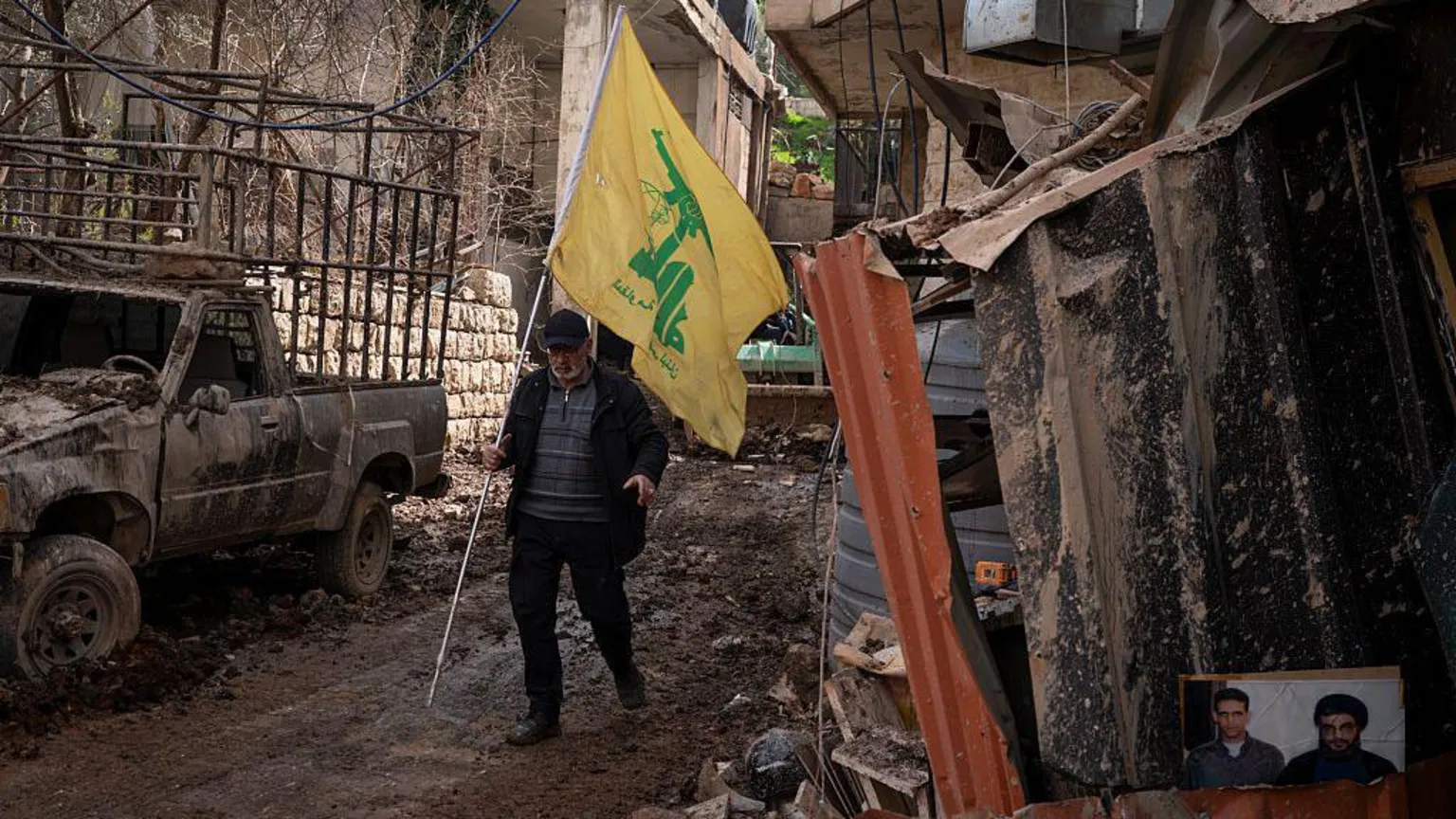
The village had already been subject to sweeping Israeli evacuation orders, and a call for civilians to leave their homes was issued shortly before the operation commenced. Despite this, the human toll was severe. The Israeli Defense Forces stated that no IDF personnel were injured during the overnight mission and said they had no information on Lebanese casualties. Separately, the IDF said overnight strikes across southern Lebanon and the eastern Bekaa Valley had targeted Hezbollah weapons stores and military infrastructure.
The raid drew an immediate and anguished response from Tami Arad, the widow of Ron Arad. Writing on Facebook, she thanked the Israeli government for its efforts to bring her husband home but urged Prime Minister Benjamin Netanyahu not to conduct operations that place soldiers in danger. "The sanctity of life comes before the commitment to return the remains of a fighter for burial," she wrote, articulating a position that the family prioritises living soldiers over the recovery of the dead.
The Nabi Chit operation is the single deadliest incident in Lebanon since Israel dramatically escalated its military campaign against Hezbollah earlier this week. At least 294 people have been killed by Israeli military action across Lebanon since Monday, according to the health ministry, as Israel pursues what it describes as a campaign to degrade Hezbollah's military capacity. The broader confrontation unfolds against a backdrop of rising tensions with Iran, Hezbollah's principal backer, adding a regional dimension to a conflict that has already displaced tens of thousands of Lebanese civilians.
The failure to recover Arad's remains after a mission of such scale and risk leaves one of Israel's most enduring military mysteries unresolved — and deepens a humanitarian crisis in a country already struggling to absorb the consequences of an intensifying war.