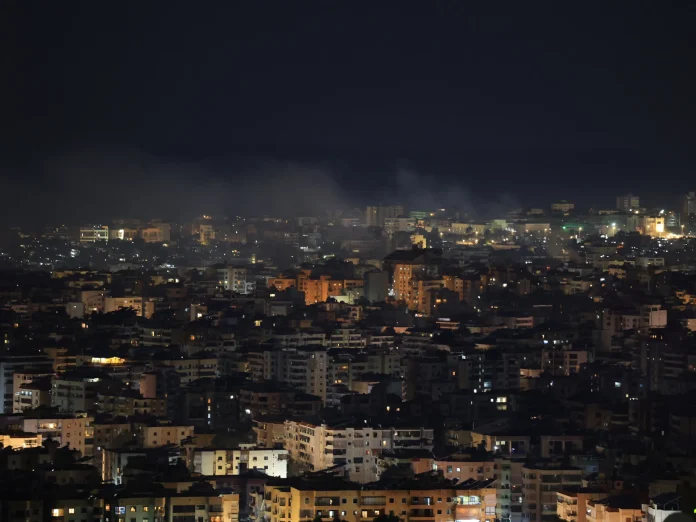
BEIRUT — Israeli warplanes unleashed their most intensive bombardment of Beirut’s southern suburbs since the 2024 war on Monday, killing at least 31 people and wounding 149 others after Hezbollah fired a barrage of missiles and drones at northern Israel — the group’s first offensive strike since the United States and Israel began military operations against Iran.
Lebanon’s state-run news agency documented the casualties as strikes tore through the southern suburbs of Beirut known as Dahiyeh, a Hezbollah stronghold, with witnesses reporting more than a dozen explosions in rapid succession. Israeli jets also struck villages across south Lebanon and the Bekaa Valley in the country’s east, as the Israeli military simultaneously ordered residents of more than 50 villages to evacuate and maintain at least one kilometre of distance from targeted buildings.
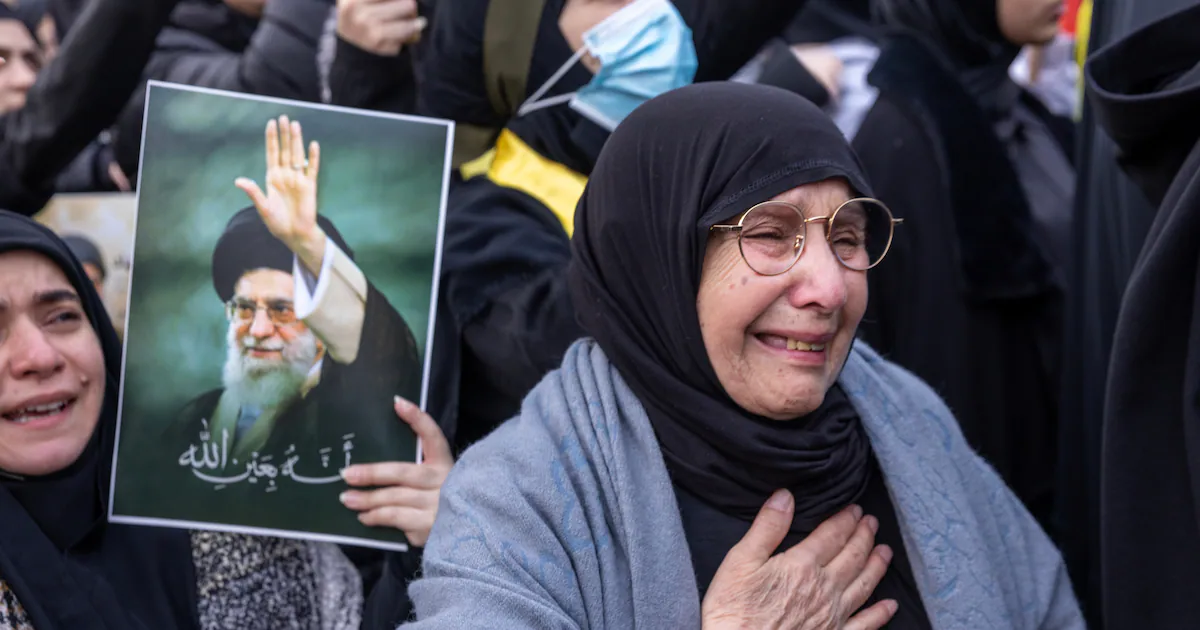
Hezbollah claimed responsibility for launching what it described as ‘a barrage of missiles and a swarm of drones’ aimed at a military base near Haifa in northern Israel. The group framed the assault as retaliation for the killing of Iranian Supreme Leader Ayatollah Ali Khamenei and for what it characterised as continuous Israeli violations of Lebanese sovereignty. The Israeli military confirmed its air defences intercepted at least one incoming projectile, and reported no injuries or significant damage from the fire, with some projectiles landing in open areas.
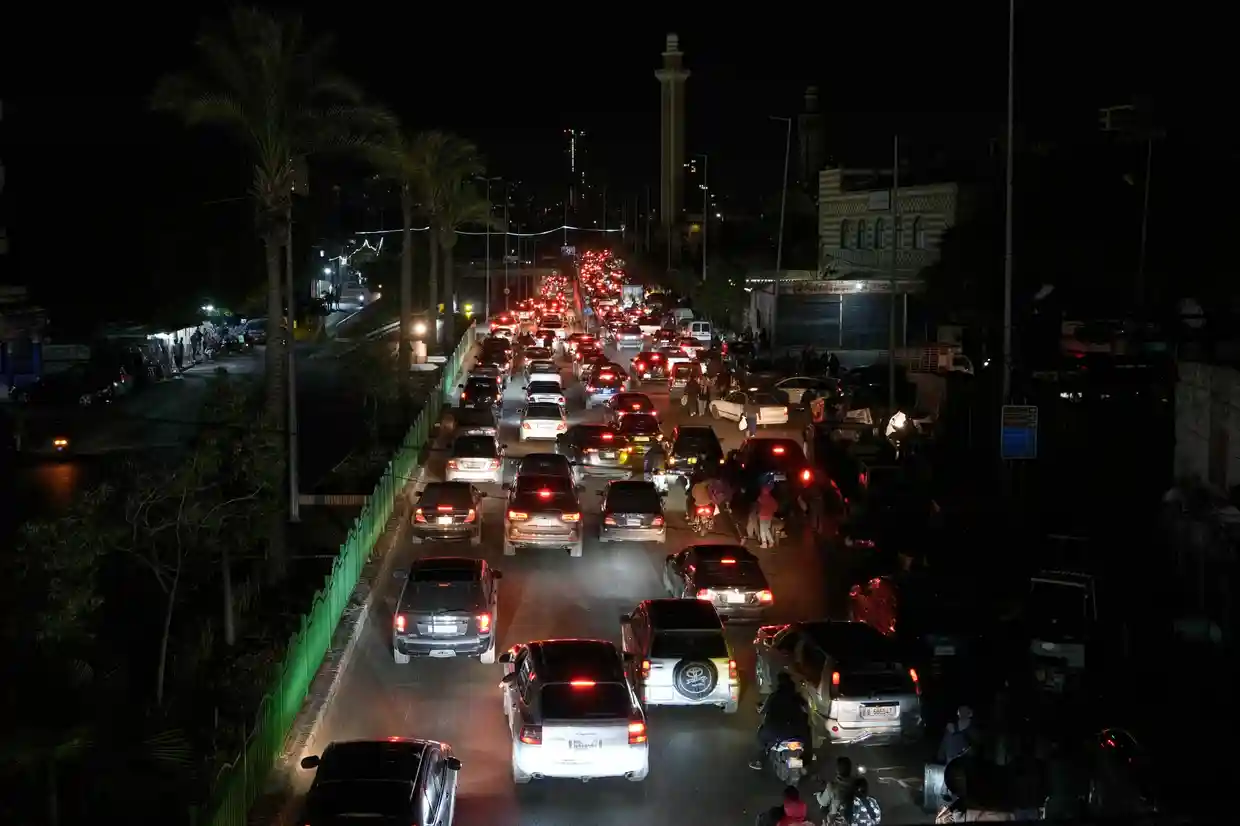
‘Hezbollah opened a campaign against Israel overnight and is fully responsible for any escalation,’ said Israeli Chief of the General Staff Eyal Zamir, adding that the military would not permit Hezbollah to constitute a threat to the state of Israel. The Israeli military said it was ‘vigorously attacking Hezbollah’ throughout Lebanon and claimed its strikes targeted senior Hezbollah members in the Beirut area as well as a key figure in south Lebanon.
The violence represents a dramatic rupture of the U.S.-brokered ceasefire reached in November 2024, which ended more than a year of fighting that had severely degraded Hezbollah’s military and political leadership. Since that agreement, Israel and Lebanon have traded accusations of violations, and Israeli strikes across Lebanese territory have continued at near-daily frequency. Beirut filed a formal complaint with the United Nations in January documenting 2,036 Israeli violations of Lebanese sovereignty in the final three months of 2025 alone.
Lebanese Prime Minister Nawaf Salam swiftly condemned Hezbollah’s rocket fire, calling it ‘an irresponsible and suspicious act’ that jeopardises Lebanon’s security and hands Israel pretexts to continue its military campaign. Salam’s rebuke underscored the deep fault line between the Lebanese government and Hezbollah, which operates independently of state authority and has rejected a government decree ordering its disarmament. The group insists its weapons are essential to defend Lebanon against Israeli expansionism.
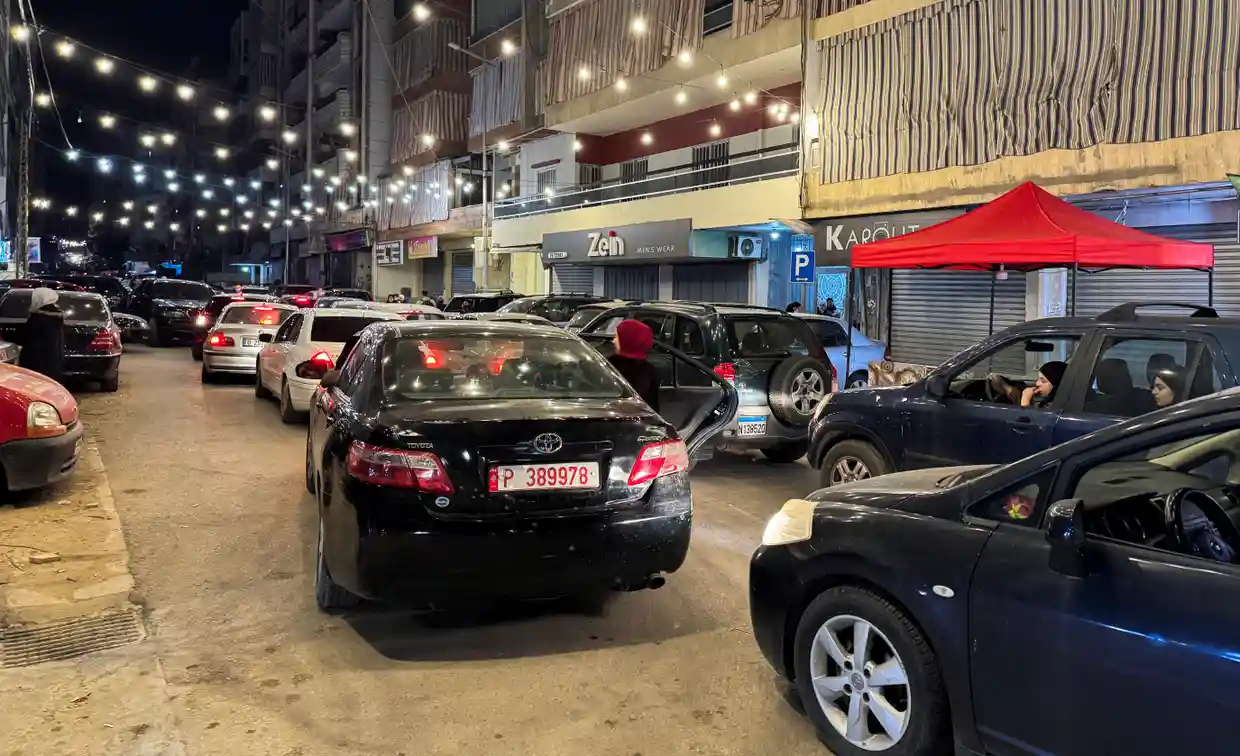
The timing of Hezbollah’s strike carries significant regional weight. Monday’s rocket fire was the first launched from Lebanese territory since the United States and Israel began striking Iran directly — a development that has dramatically raised the stakes across the broader conflict. Hezbollah, a Shi’ite Muslim movement and Iran’s principal armed ally in west Asia, had until now refrained from responding to Israeli strikes since the 2024 ceasefire, instead urging the Lebanese government to seek diplomatic protection.
Lebanon’s presidency disclosed that the U.S. ambassador had conveyed assurances as recently as Saturday that Israel would not escalate against Lebanon provided no hostile acts originated from Lebanese soil. Those assurances collapsed within 48 hours.
The exchange marks a dangerous new chapter in a regional confrontation pitting the United States and Israel against Iran and its network of allied armed groups. Lebanon, already battered by years of economic collapse and political paralysis, now faces the prospect of renewed large-scale conflict at a moment of acute vulnerability. The 2024 war left Hezbollah weakened but not dismantled, and Monday’s strikes on Dahiyeh — the most intensive on that district since that conflict — signal that both sides retain the capacity and apparent willingness to escalate sharply.
With Israeli forces striking across three distinct Lebanese regions simultaneously and Hezbollah signalling its readiness to re-engage militarily, the fragile architecture of the 2024 ceasefire appears to have collapsed entirely.