Israel has declared its intention to permanently occupy a security zone in southern Lebanon stretching to the Litani River, roughly 30 kilometres from the Israeli border, in a dramatic escalation that has killed more than 1,200 people and uprooted over one million Lebanese since hostilities intensified in early March.
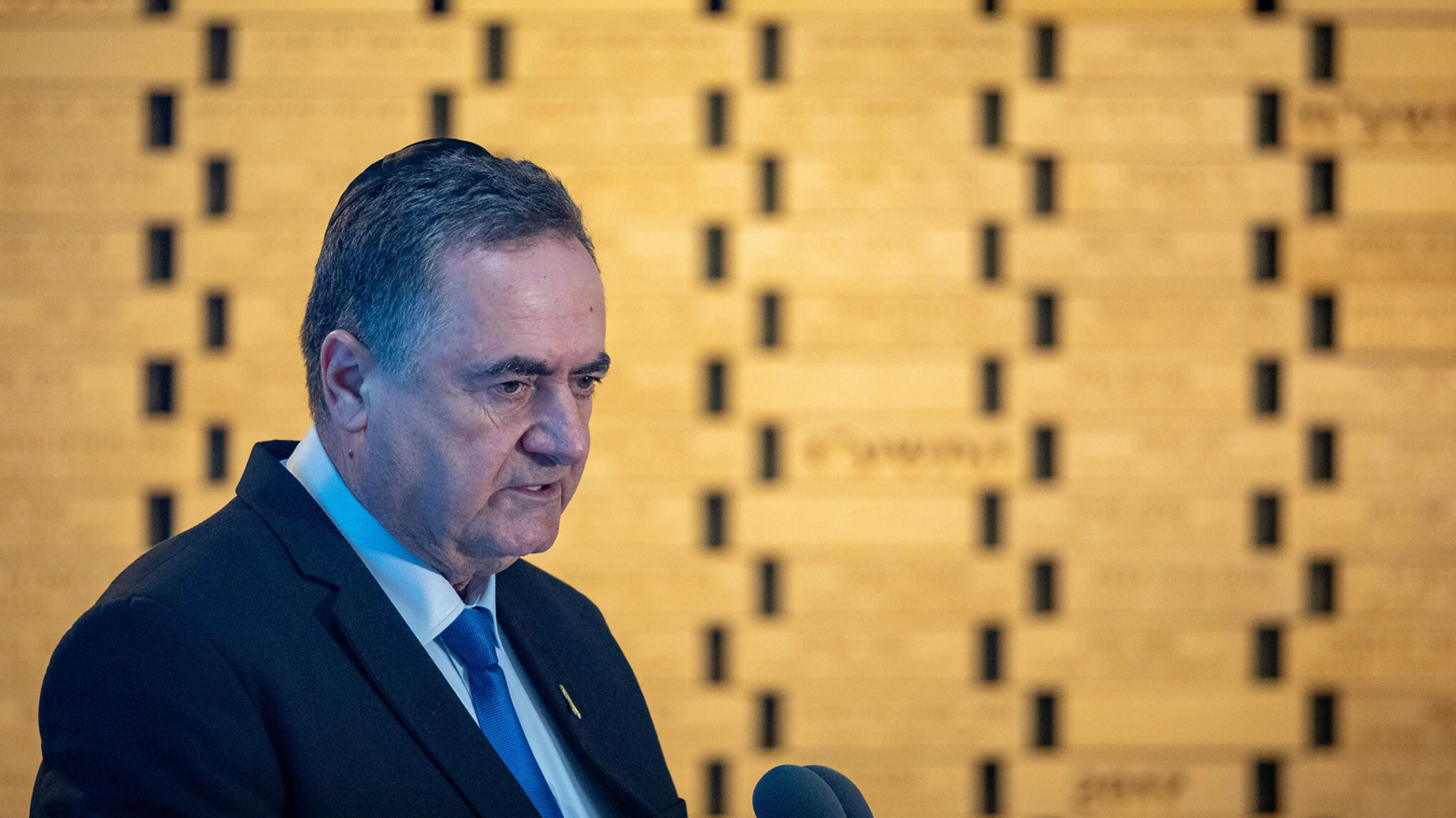
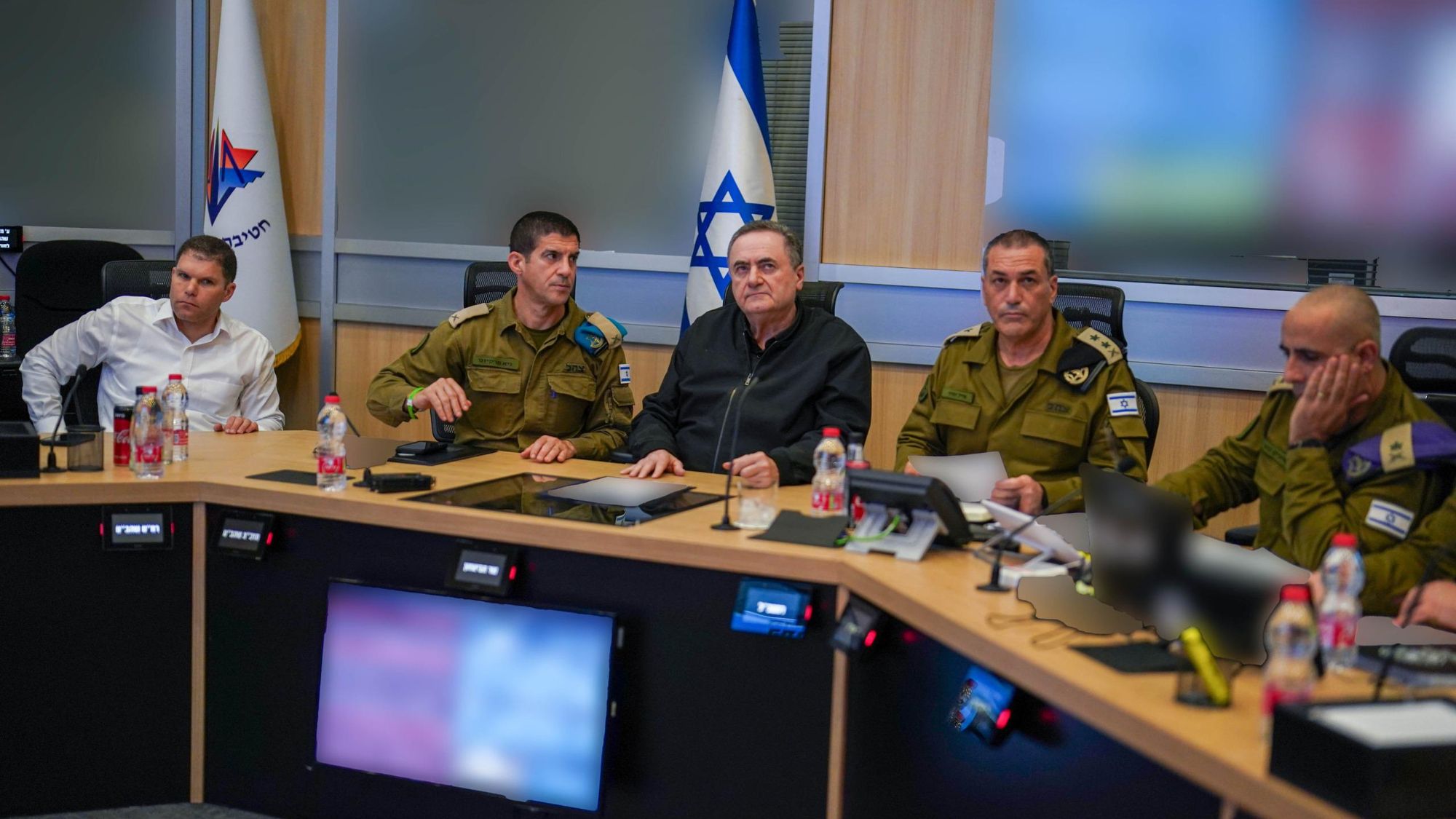
Defence Minister Israel Katz announced Tuesday that the Israel Defense Forces would establish a defensive line in the zone, maintaining security control over the entire area up to the Litani. He stated that Israeli troops would remain in the region even after the current war with Hezbollah concludes — a declaration that signals a fundamental shift in Israel’s long-term posture toward its northern neighbour.
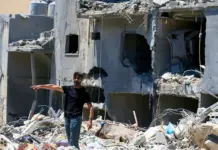
Katz said villages adjacent to the Israeli border would be demolished, explicitly invoking the destruction of Rafah and Beit Hanoun in Gaza as the operational model. More than 600,000 displaced Lebanese residents would be barred from returning to areas south of the Litani until Israel determines its northern communities are safe. Southern Lebanon is the heartland of the country’s Shia Muslim community and Hezbollah’s primary support base.
Lebanese President Joseph Aoun condemned the plan as "collective punishment against civilians," while Katz defended the action by arguing the Lebanese government had done "nothing" to enforce the terms of a ceasefire agreed in 2024, under which Hezbollah was required to disarm and withdraw from southern Lebanon. Israel, however, maintained several military posts in the south and continued near-daily strikes throughout the ceasefire period.
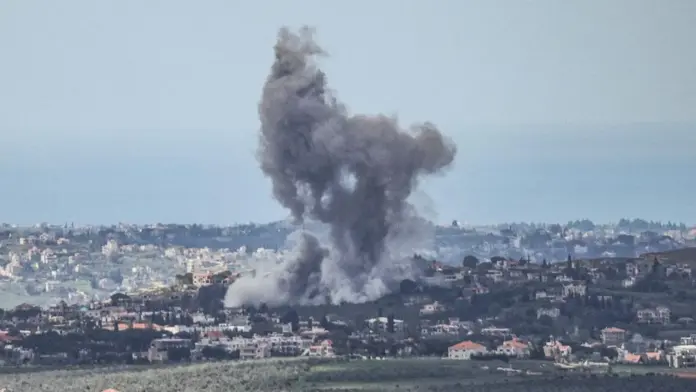
The current round of fighting was triggered when Hezbollah launched rocket attacks into northern Israel on 2 March, describing them as retaliation for Israel’s assassination of Iran’s supreme leader in late February. Israel responded by sending ground troops into southern Lebanon the same day and has since conducted broad airstrikes across the country, including strikes on Beirut’s southern suburbs.
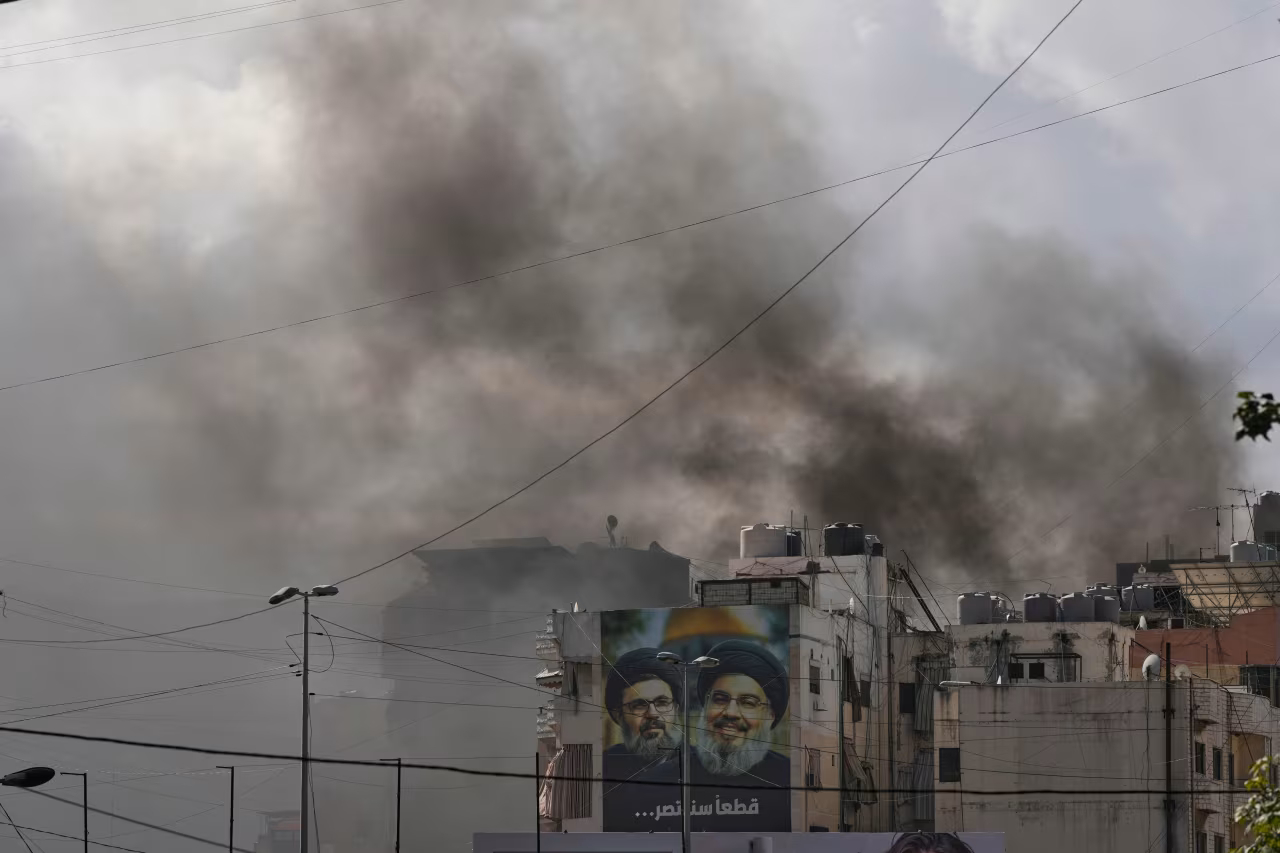
A Monday airstrike on Beirut targeted an apartment serving as a Hezbollah office, killing three members of the group and seriously wounding three others. Separately, an Israeli airstrike struck a Lebanese army checkpoint in the Tyre area, killing one soldier and wounding others — the first direct strike on a Lebanese army position since the conflict began.
The human toll has been severe. The Lebanese health ministry reports at least 1,238 people killed since early March, including at least 124 children. The UN’s humanitarian affairs office confirmed 52 health workers have died. Three Lebanese journalists were killed in southern Lebanon in recent days; the IDF acknowledged killing two of them, describing both as "terrorists." Three Indonesian peacekeepers serving with the UN force were also killed, with one dying and three others wounded when a projectile struck a UN position near the border. Several additional UN peacekeepers were wounded in a separate incident near Bani Hayyan.
Israeli forces have also suffered losses. Four soldiers were killed in combat in southern Lebanon on Tuesday alone, three of them from the same battalion. An additional soldier was severely wounded and a reservist sustained moderate injuries in the same engagement. Israeli authorities report a total of ten soldiers and two civilians killed by Hezbollah attacks since the fighting began.
Hezbollah has continued offensive operations, launching rockets against northern Israel and claiming strikes on Israeli military positions, including what it described as an intelligence facility near Tel Aviv. Israeli troops operating in the south are facing sustained fire from artillery, rockets, and anti-tank missiles as they work to clear weapons caches and prevent armed groups from re-establishing positions along the frontier.
The displacement crisis has reached staggering proportions. More than one million people — approximately one in every six residents of Lebanon — have been forced from their homes. The prospect of a prolonged Israeli military presence, combined with the planned demolition of border villages, raises the possibility that large portions of southern Lebanon’s population may face indefinite exile from their communities.
Israel’s stated intention to remain in Lebanese territory after the war ends represents a significant departure from previous military campaigns, in which Israeli forces eventually withdrew under international pressure. Whether the international community will mount a comparable response to the current occupation remains to be seen, as fighting shows no sign of abating.