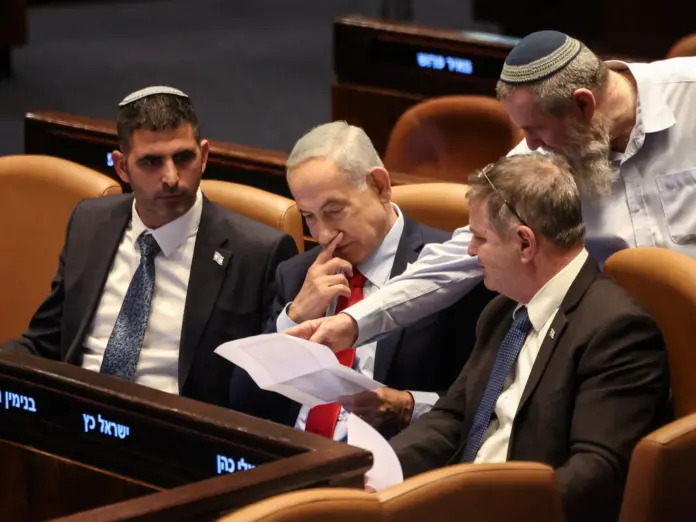
Israeli lawmakers voted in the early hours of Monday to pass a record $271 billion national budget, approving the sweeping spending plan from a fortified bunker following a 13-hour marathon session in the Knesset. The budget enshrines the government’s wartime and ideological priorities, channelling unprecedented resources into defence, West Bank settlements, and ultra-Orthodox religious institutions.
The single largest allocation — $45.8 billion — goes to defence, reflecting the sustained cost of Israel’s war with Gaza, which began in October 2023. But it is the budget’s civilian provisions that have drawn the sharpest scrutiny, both domestically and internationally.
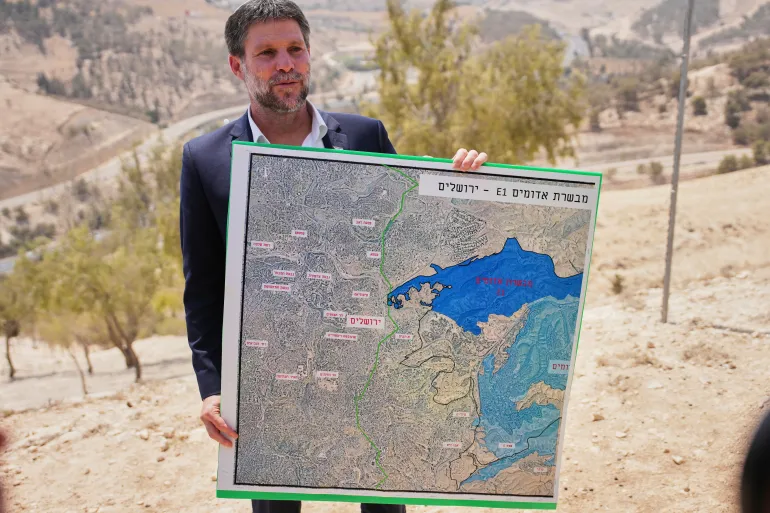
The Ministry of Settlement and National Missions received 400 million shekels, equivalent to approximately $129.5 million, while a further 50 million shekels — around $16 million — was earmarked specifically for civilian security equipment, including drones and cameras, for settlers in the occupied West Bank. The allocations come as Israeli settlement expansion has reached its highest level since 2017. The number of settlements and outposts across the West Bank and East Jerusalem climbed from 141 in 2022 to 210 in 2025, with roughly 700,000 settlers now living in territory widely regarded as illegal under international law — a population representing nearly 10 percent of Israel’s Jewish citizens.
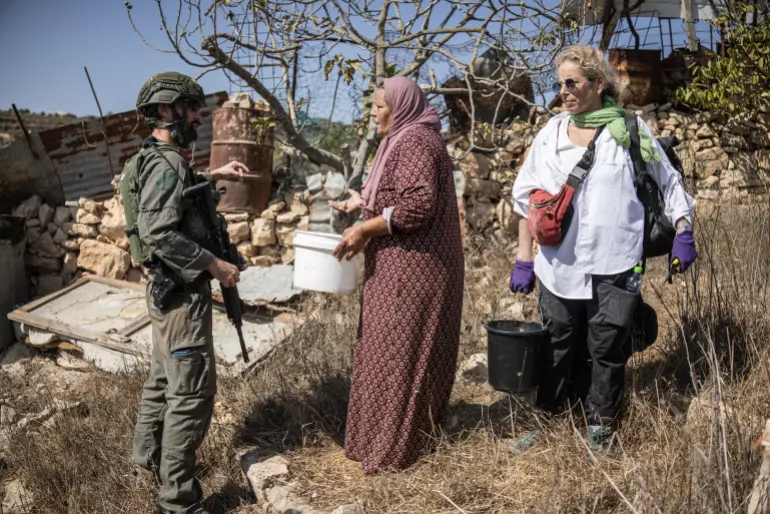
United Nations data documents nearly 3,000 settler attacks on Palestinians over the past two years, a figure that has intensified calls from Western governments and international bodies for Israel to curtail settlement activity. The two-state solution — backed by the UN, the International Court of Justice, the United Kingdom, France, and Australia — remains the internationally preferred framework for resolving the conflict. Prime Minister Benjamin Netanyahu, however, used the budget’s passage to restate his categorical opposition to Palestinian statehood, declaring: "There will be no Palestinian state to the west of the Jordan River."
Finance Minister Bezalel Smotrich, himself a settler and a figure who was granted sweeping administrative powers over the occupied West Bank in 2023, shepherded the budget through parliament. His dual role as fiscal architect and settlement advocate has made him a central and controversial figure in shaping Israel’s territorial policies.
The budget’s passage was further complicated by a last-minute amendment to the so-called Arrangements Law, which redirected approximately $255 million to Haredi yeshivas. The amendment was inserted despite a June 2024 Supreme Court ruling that mandated military conscription for ultra-Orthodox men, ending a blanket exemption that had stood for decades. Attorney General Gali Baharav-Miara had previously frozen yeshiva funding in direct response to that ruling.
The Haredi funding provision was critical to maintaining the coalition’s parliamentary majority. The Shas party, which holds 11 seats in the 120-seat Knesset, and United Torah Judaism, with 7 seats, together provide 18 votes that Netanyahu’s government cannot afford to lose. In a striking turn, opposition lawmakers also voted in favour of the late-night amendment, a move that drew immediate condemnation from within their own ranks.
Yair Lapid, leader of the centrist Yesh Atid party, filed an urgent appeal with the attorney general calling for the transfer of funds to yeshivas to be halted, arguing the amendment circumvents a binding judicial ruling. The appeal sets up a fresh confrontation between the government and Israel’s legal establishment — a conflict that has defined much of Netanyahu’s tenure.
The budget’s passage marks a consolidation of the governing coalition’s agenda: expanded settlement infrastructure, record military spending, and financial concessions to religious constituencies that underpin its parliamentary survival. Critics warn the spending priorities will deepen Israel’s international isolation at a moment when its relationships with key allies are already under strain over the conduct of the Gaza war and the accelerating pace of West Bank settlement construction.