WASHINGTON / BEIRUT — Israeli and Lebanese delegations are preparing to return to the negotiating table in Washington as soon as May 14 and 15, with formal delegation-level talks scheduled to begin on May 17, even as Israeli strikes continue to batter southern Lebanon and renewed attacks on Beirut’s suburbs threaten to derail the fragile diplomatic process.
Israel-Lebanon Talks — The upcoming sessions build on an initial round of negotiations held in mid-April in Washington, DC — the first structured talks between the two sides in years. The agenda spans both security and political tracks, encompassing a full Israeli withdrawal from southern Lebanon, the demarcation of borders, the release of prisoners, the return of displaced populations, and the reconstruction of war-ravaged areas.
Lebanon is approaching the process with a specific framework in mind. A Lebanese official indicated the country is moving toward a nonaggression pact rather than a formal peace agreement — a distinction that reflects the political sensitivities on both sides. Lebanon’s presidency has been actively seeking to formalise a final cessation of hostilities with Israel.
Recommended Reading
The diplomatic momentum follows a ceasefire announced on April 16 by US President Donald Trump, which emerged in parallel with a broader US-Iran truce in the wider Middle East conflict. A halt to Israeli military operations in Lebanon remains a central Iranian demand in Tehran’s ongoing negotiations with Washington, adding a regional dimension to what might otherwise appear a bilateral dispute.
Yet the ceasefire has been anything but quiet. Israel and Hezbollah have traded accusations of violations since the agreement took effect, and the situation escalated sharply this week. Israel struck the southern suburbs of Beirut — an area that had not been hit for weeks before Wednesday’s attack — targeting a commander of Hezbollah’s elite Radwan Force. On Thursday, Israeli strikes continued to pound southern Lebanon, killing one person and wounding several others.
Lebanese officials described the Beirut attack as a deliberate Israeli message intended to obstruct the negotiation process. The timing, days before scheduled talks, drew sharp criticism and raised questions about Israel’s commitment to the diplomatic track.
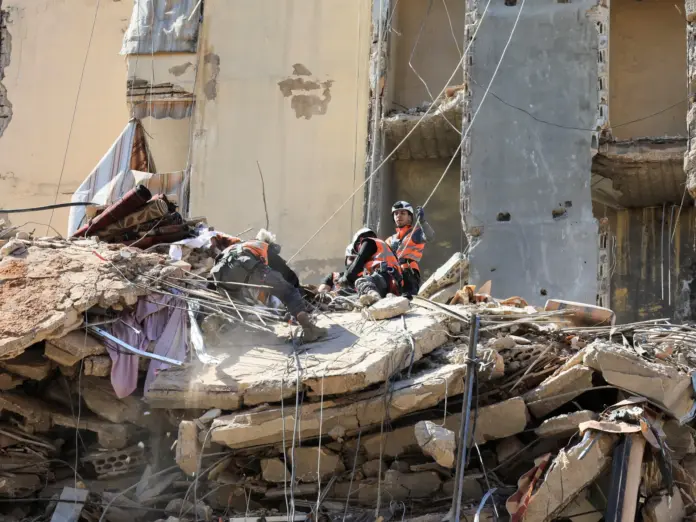
The human toll of the conflict is staggering. Lebanon’s Ministry of Public Health reports that more than 2,700 people have been killed since March 2. Approximately 1.2 million people have been driven from their homes, the majority from southern Lebanon. On the Israeli side, the military has acknowledged 17 soldiers killed in southern Lebanon and two civilians killed in northern Israel.
Israel-Lebanon Talks: Regional Implications
The scale of displacement and destruction has placed reconstruction firmly at the centre of any potential agreement. Southern Lebanon, which bore the brunt of Israeli military operations, faces an enormous rebuilding challenge — one that negotiators in Washington will need to address alongside the more immediate security questions.
The talks represent a rare opening in a conflict that has long resisted resolution. Whether the diplomatic channel can survive the continued military pressure — and the mutual accusations of bad faith — will determine whether Washington can translate a fragile ceasefire into something more durable.