Gaza Strip — Doctors Without Borders (MSF) has accused Israel of deliberately engineering a malnutrition crisis across Gaza by systematically restricting food supplies and aid deliveries, releasing a detailed medical analysis that documents catastrophic health consequences for pregnant women and newborns throughout the territory.
Gaza Malnutrition Crisis — The analysis, published Thursday, draws on data collected at four health facilities administered or supported by MSF between late 2024 and early 2026. The findings paint a stark picture of a population pushed to the edge of survival — a dramatic collapse from conditions that existed before October 2023, when malnutrition in Gaza was described as almost non-existent.
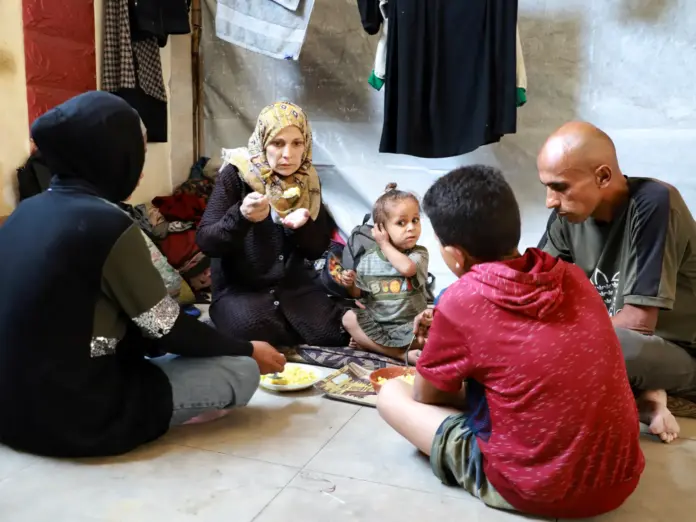
Among the most alarming findings: more than half of women receiving care at two MSF-supported hospitals suffered from malnutrition during pregnancy in the period between June 2025 and January 2026. A quarter of those women remained malnourished at the moment of delivery. The consequences for their children have been severe — 90 percent of babies born to malnourished mothers arrived prematurely, and 84 percent had low birth weight.
Recommended Reading
The implications are potentially fatal. The World Health Organization estimates that low-birth-weight infants are 20 times more likely to die than heavier babies, placing an entire generation of Gazan newborns at acute risk from the moment of birth.
"Living conditions in Gaza have profoundly deteriorated," said Merce Rocaspana, MSF's medical referent for emergencies, whose team first identified cases of child malnutrition in January 2024 — just three months after Israel launched its military campaign. Healthcare facilities across the territory have been forced out of service, further compounding the humanitarian toll.
Israel's war in Gaza, which began in October 2023, has now killed more than 72,500 people. More than 60 percent of Palestinians in Gaza are homeless, according to the United Nations, and a joint assessment by the UN, the World Bank, and the European Union has estimated that rebuilding housing alone would cost upward of $71 billion.
A ceasefire has technically been in place since October of last year, but the humanitarian situation has not stabilised. Under the terms of that agreement, 600 trucks carrying food and aid were to enter Gaza daily. In practice, the actual figure has hovered around 150 trucks per day — a fraction of what was promised and far below what aid organisations say is needed to prevent mass starvation.
Israel has also continued to seize additional territory since the ceasefire took effect, and has threatened to resume full-scale military operations after Hamas declined to commit to complete disarmament.
Gaza Malnutrition Crisis: Regional Implications
MSF reserved particular criticism for the Gaza Humanitarian Foundation (GHF), a US- and Israel-backed mechanism established to oversee aid distribution inside the territory. The organisation described GHF-operated food distribution centres as militarised, deadly, barely functioning, or open at inconsistent times — conditions that have made accessing even the limited aid entering Gaza a dangerous and unreliable endeavour for civilians.
Israel's restrictions on supplies, combined with sustained attacks on civilian infrastructure, have created cascading health consequences beyond malnutrition alone. Rising rates of maternal malnutrition are directly increasing the likelihood of premature births, MSF warned, creating a cycle of vulnerability that threatens to define the health of Gaza's youngest population for years to come.
The MSF report arrives as international pressure over Gaza's humanitarian conditions continues to mount. The scale of destruction — physical, medical, and demographic — has prompted comparisons to some of the worst humanitarian catastrophes of recent decades. With reconstruction costs in the tens of billions and a health system in near-total collapse, the path to recovery, even in the event of a durable ceasefire, remains deeply uncertain.
MSF's analysis represents one of the most comprehensive medical assessments of the crisis to date, grounding the humanitarian emergency not in political abstraction but in clinical data: the weights of newborns, the nutritional status of mothers, and the survival odds of children born into a war they did not choose.