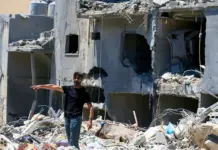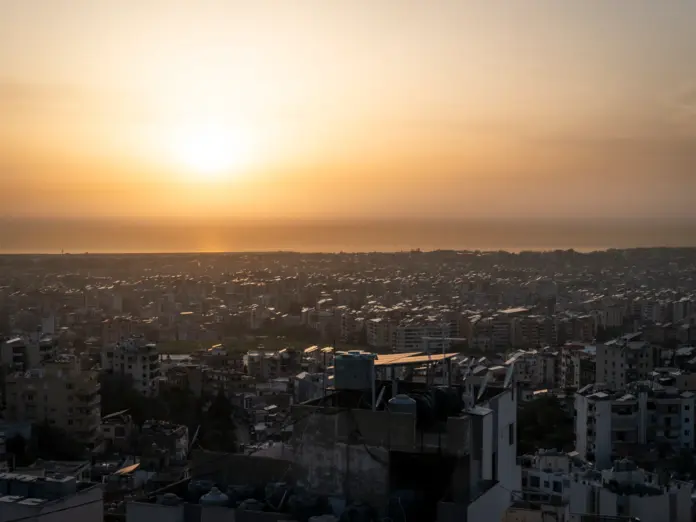
A fragile ceasefire between Israel and Hezbollah took effect at midnight Beirut time on Thursday, pausing six weeks of devastating warfare that has killed more than 2,000 people in Lebanon, displaced over a million, and reduced tens of thousands of homes to rubble. The agreement, brokered with direct American involvement, carries the weight of enormous humanitarian need — and the shadow of profound mutual suspicion.
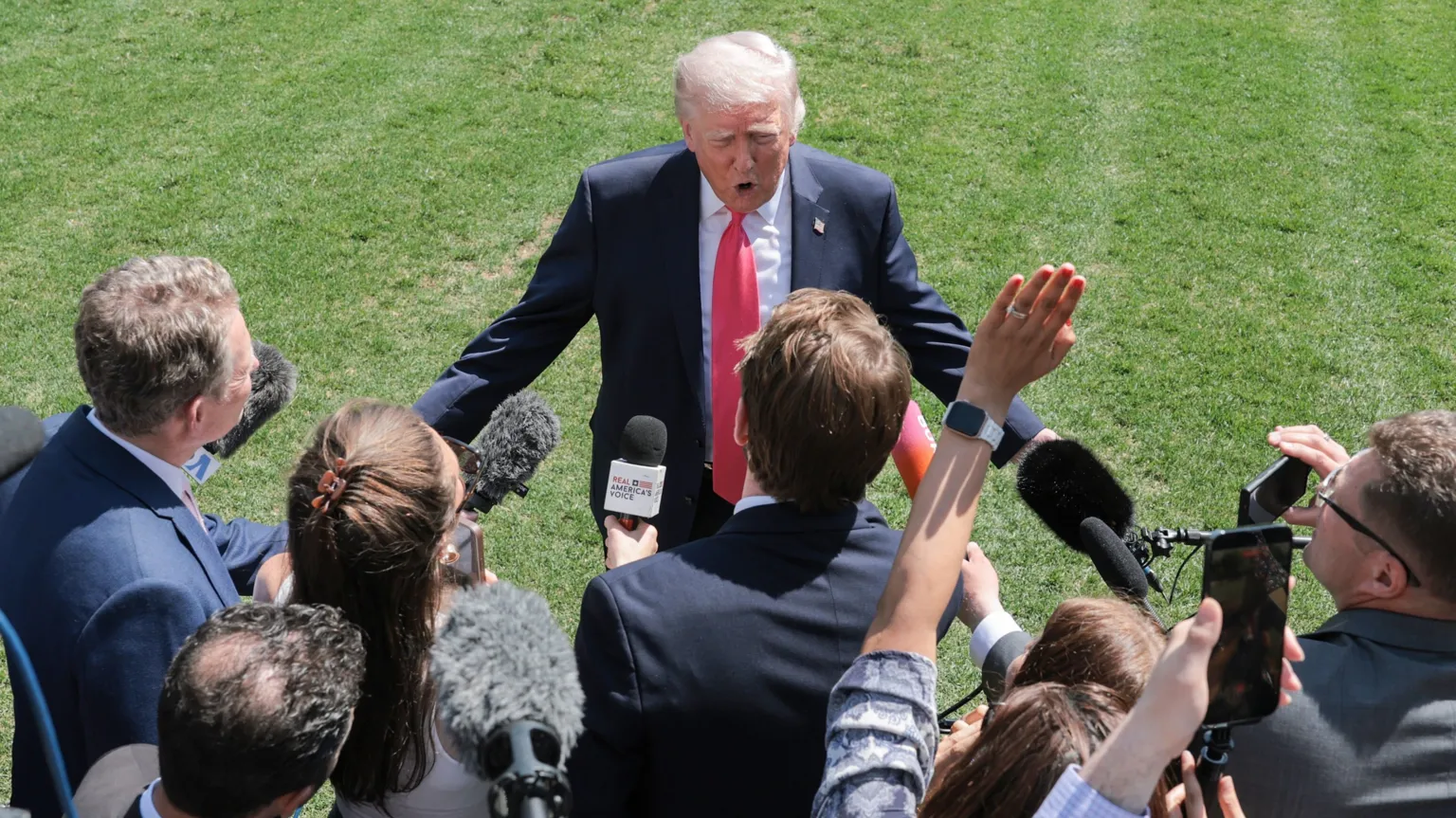
US President Donald Trump announced the deal at 5pm Eastern Time, saying he had spoken directly with Lebanese President Joseph Aoun before making the announcement. Trump described the accompanying diplomatic engagement as the most meaningful exchange between Israel and Lebanon since 1983, and said he expected both Prime Minister Benjamin Netanyahu and President Aoun to travel to Washington for White House talks within the coming weeks.
The ceasefire, set to last 10 days with the possibility of extension if negotiations showed progress, came after Israel and Lebanon held their first direct diplomatic talks in decades in Washington earlier this week. The US State Department confirmed the truce could be prolonged by mutual agreement, while also affirming that Israel retained the right to act in self-defence against any planned, imminent, or ongoing attacks.
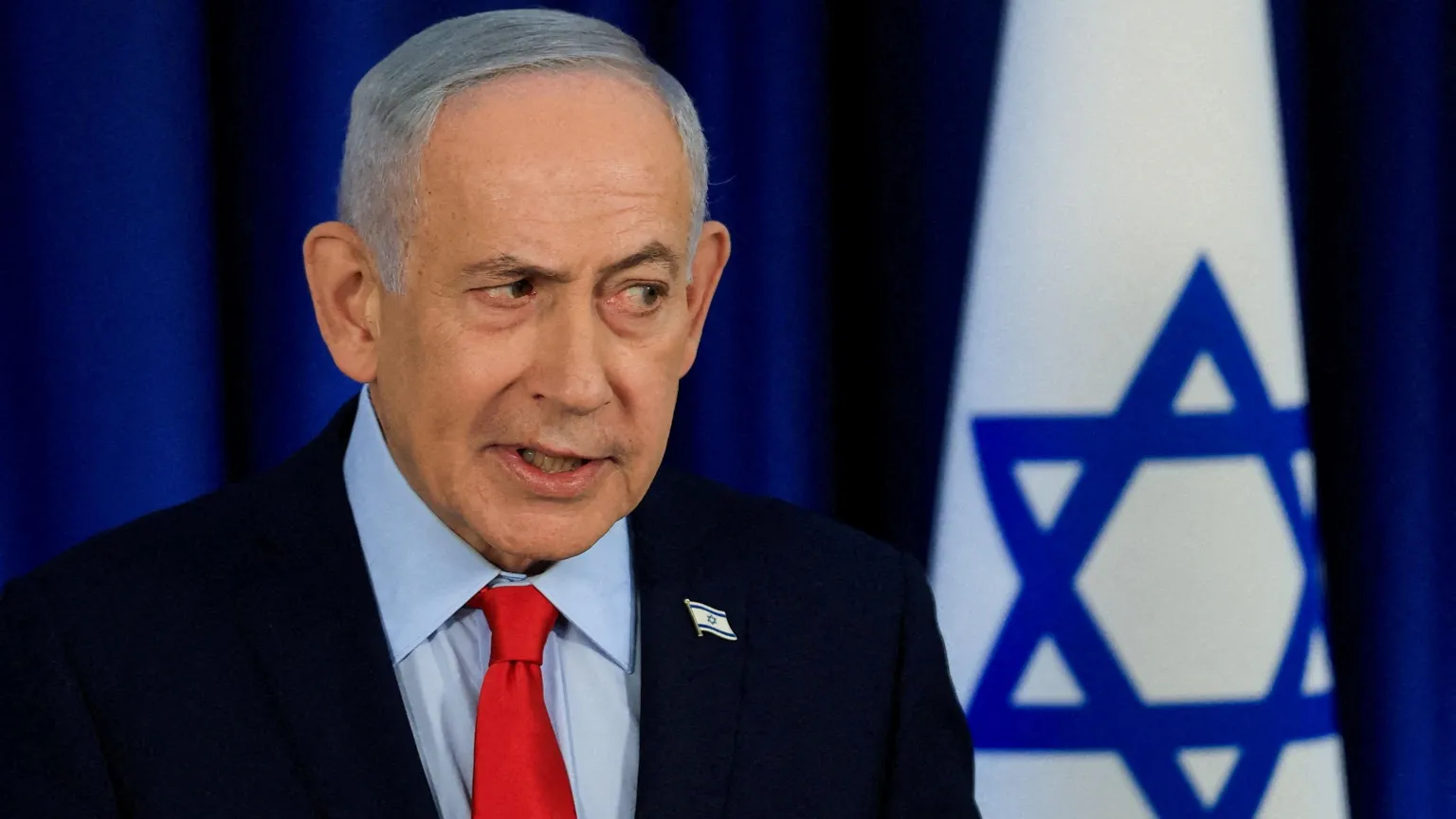
Yet the terms of the agreement remained contested almost from the moment it was announced. Netanyahu confirmed Israel’s participation but made clear that Israeli troops would not withdraw from southern Lebanon during the ceasefire period, instead maintaining a 10-kilometre-deep security zone along the border. Hezbollah, for its part, insisted any genuine ceasefire must include a comprehensive halt to all attacks across Lebanese territory and no freedom of movement for Israeli forces. The group also stated it would maintain the right to resist if Israeli troops continued to occupy Lebanese soil, and issued a pointed reminder that Israel has a history of violating pledges and agreements.
The human cost of the six-week conflict is staggering. More than a million people — roughly one in five Lebanese — have been forced from their homes. An estimated 37,000 properties have been destroyed or damaged. Israel says Hezbollah rocket fire killed two civilians on its territory and 13 Israeli soldiers died in combat operations in Lebanon.
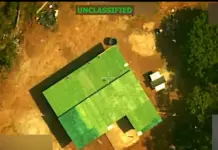
In the hours before the ceasefire, Israeli forces continued a ferocious campaign across the south. The military heavily bombed villages and towns throughout the region on Thursday and published footage of its forces detonating entire communities in recent days. In a move that drew particular anger among displaced residents, Israel bombed the last functioning bridge connecting Beirut to the south, severing a critical route for the hundreds of thousands hoping to return home.
The city of Bint Jbeil — a place of deep symbolic resonance for Hezbollah, where the late leader Hassan Nasrallah delivered a historic speech after Israel’s withdrawal from southern Lebanon in 2000 — was the scene of intense battle in the days leading up to the truce.
For the displaced, the ceasefire brought a mixture of desperate hope and hard-edged realism. Abu Haidar planned to make his way back to his village of Kherbet Selem, roughly 25 kilometres from the border, as soon as conditions allowed. Others faced a more painful homecoming. Fadal Alawi, whose home in Beirut’s southern suburb of Hay el-Sellom had all but one room destroyed, was among those confronting the scale of what had been lost. Haytham Dandash and his wife Ruwayda Zaiter had no home to return to at all — theirs was completely demolished. The couple had been sleeping on thin mattresses laid over wooden pallets inside a tent.
Ali Jaber, a tuk-tuk driver from Mayfadoun near Nabatieh, was among many displaced southerners sheltering in downtown Beirut who expressed deep scepticism that the ceasefire would hold. Aid distribution, which had been plentiful during Ramadan, had thinned considerably by the time the truce was announced, adding to the strain on those still displaced.
Lebanon’s parliamentary speaker and Amal Movement leader Nabih Berri urged supporters not to rush back to their homes the moment the ceasefire began, signalling awareness of the risks that remained on the ground.
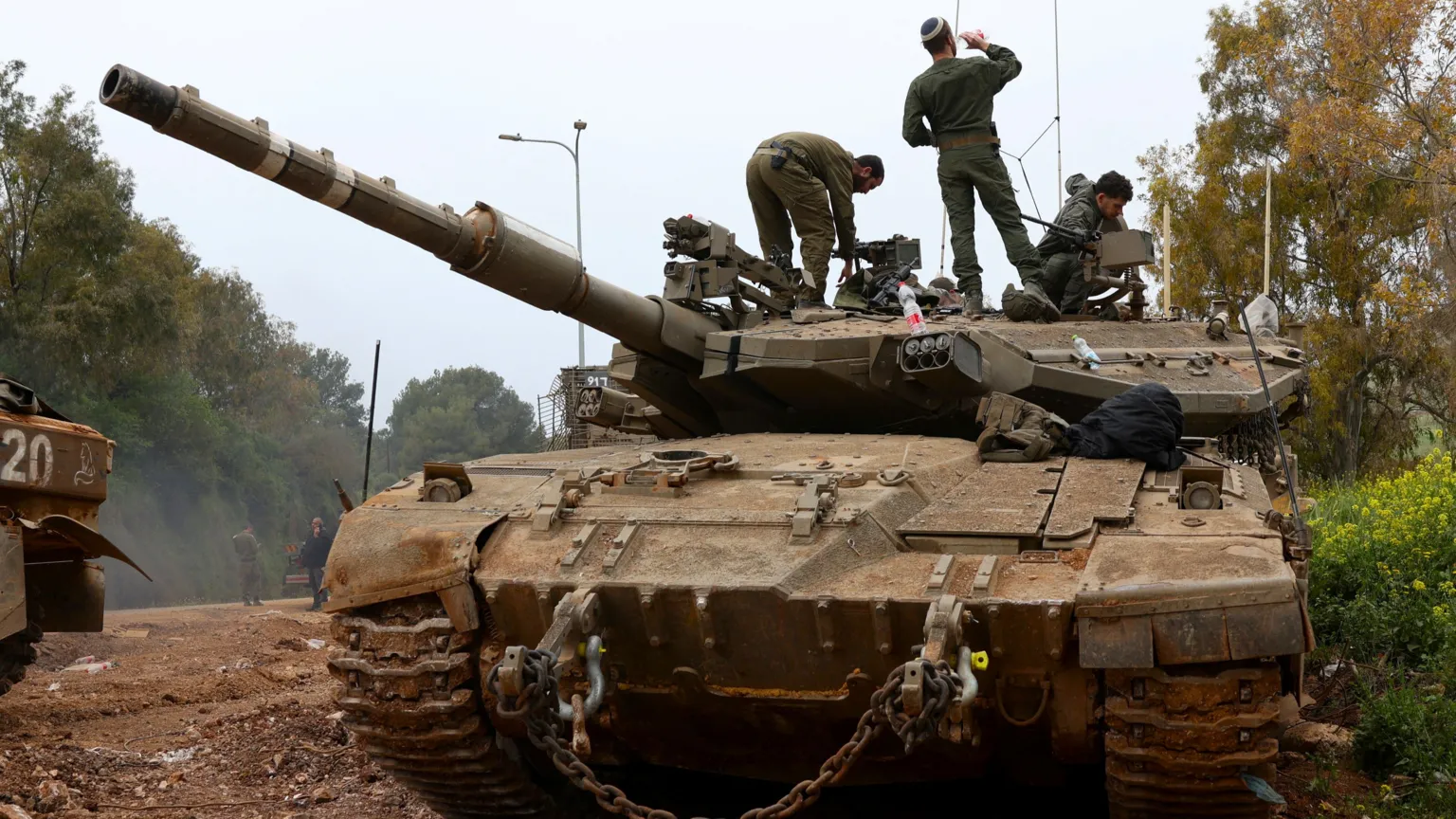
The current conflict erupted on 2 March, two days after the United States and Israel launched a joint strike on Iran. Hezbollah responded by firing rockets into northern Israel, saying it was retaliating for the assassination of Iran’s Supreme Leader Ayatollah Ali Khamenei. The fighting marked a dramatic escalation following a previous ceasefire that had ended 13 months of conflict in the early hours of 27 November 2024.
The broader regional picture adds further complexity. Iran and the United States have initiated their own two-week ceasefire and are engaged in a second round of peace talks, with discussions taking place in Pakistan. Tehran argued its ceasefire arrangement should encompass Lebanon; Washington and Jerusalem disagreed. Trump separately said the two countries had reached an understanding that neither would possess nuclear weapons beyond a 20-year horizon.
Whether the Israel-Lebanon truce survives its initial 10-day window — and whether it can be transformed into something more durable — will depend on bridging a fundamental divide: Israel’s insistence on maintaining a military foothold in the south, and Hezbollah’s categorical refusal to accept it.