Israel unleashed a sweeping military campaign against Hezbollah across Lebanon on Monday, killing at least 52 people and wounding 154 others, after the Iran-backed militant group fired rockets and drones at the northern Israeli city of Haifa in the early hours of the morning — a retaliatory strike Hezbollah said was prompted by the assassination of Iranian Supreme Leader Ayatollah Ali Khamenei.
The escalation marks the most serious breakdown of regional security since a US- and French-brokered ceasefire ended more than a year of devastating conflict between Israel and Hezbollah in November 2024. It follows a joint US-Israeli attack on Iran’s leadership and armed forces on Saturday, which killed Khamenei and triggered a cascade of retaliatory strikes across the region, including Iranian missile and drone launches toward Israel and Gulf Arab states hosting American military bases.
Sirens sounded across several areas of northern Israel at approximately 01:00 local time Monday as Hezbollah’s military wing announced it had launched a barrage of rockets and a swarm of drones targeting a missile defence site south of Haifa. The Israeli Defence Forces said one projectile crossing from Lebanon was intercepted, with several others landing in open areas. No casualties were reported on the Israeli side.
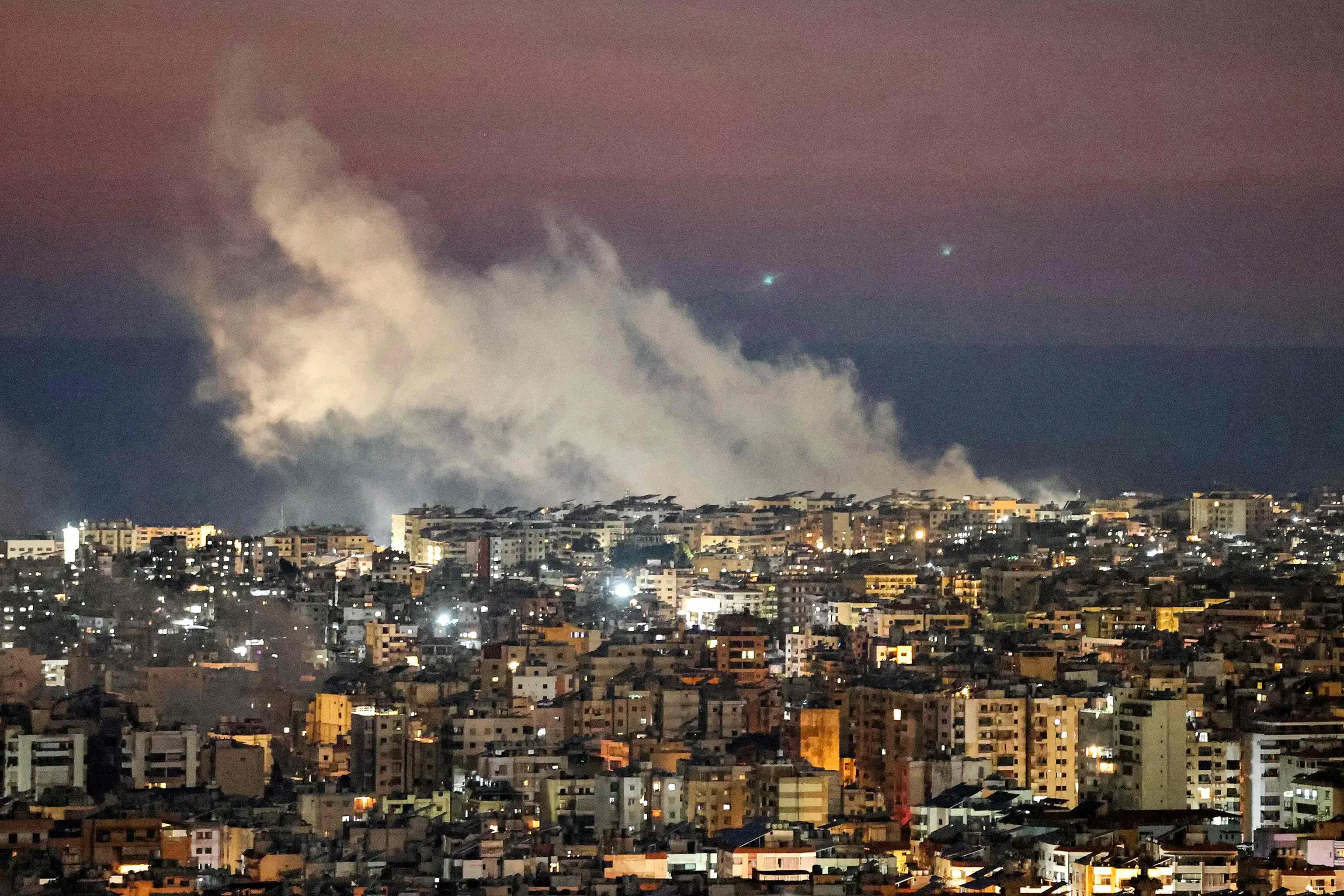
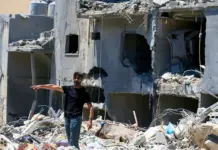
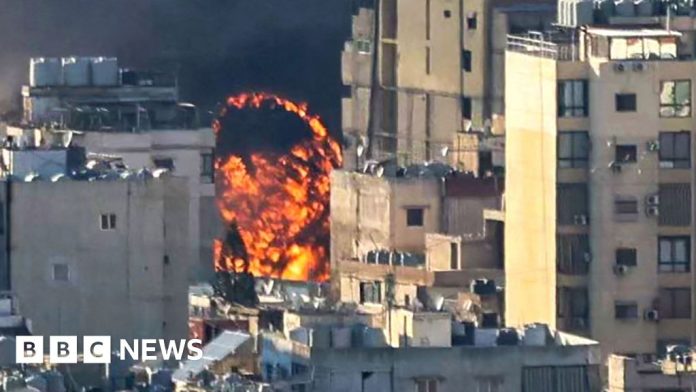
By 03:00, Israeli air and naval forces had struck Beirut’s southern suburbs — the Dahieh district — and multiple locations across southern Lebanon. IDF Chief of Staff Lieutenant General Eyal Zamir formally declared the start of an offensive campaign against Hezbollah Monday morning. The military subsequently reported hitting more than 70 weapons storage facilities, launch sites, and missile launchers in what it described as a broad wave of strikes on Hezbollah targets.
Among those killed in the strikes was Hussein Meklad, identified by Israeli officials as the head of Hezbollah’s intelligence headquarters. The commander of Palestinian Islamic Jihad’s armed wing in Lebanon, Adham Adnan al-Othman, was also killed. Israeli forces additionally struck several buildings belonging to Al-Qard al-Hassan, a Hezbollah-linked financial institution previously sanctioned by Washington. The IDF ordered residents of more than 50 villages in southern and eastern Lebanon to evacuate.
Israeli Defence Minister Israel Katz ordered the military to act with maximum force and declared Hezbollah leader Naim Qassem a marked target for elimination. IDF spokesperson Brigadier General Effie Defrin stated that all options remained on the table, explicitly including a new ground invasion of southern Lebanon — a prospect that would shatter the fragile post-ceasefire order that had held since late 2024.
Lebanon’s government responded with an extraordinary move of its own. Prime Minister Nawaf Salam condemned Hezbollah’s rocket and drone launches as irresponsible and announced an absolute and unequivocal rejection of military operations conducted from Lebanese territory outside legitimate state institutions. The cabinet formally banned Hezbollah’s military and security activities, and Justice Minister Adel Nassar announced that judicial authorities had tasked security agencies with immediately arresting those responsible for the launches and their instigators. Lebanon’s education ministry announced the closure of all schools and universities on Tuesday due to deteriorating security conditions.
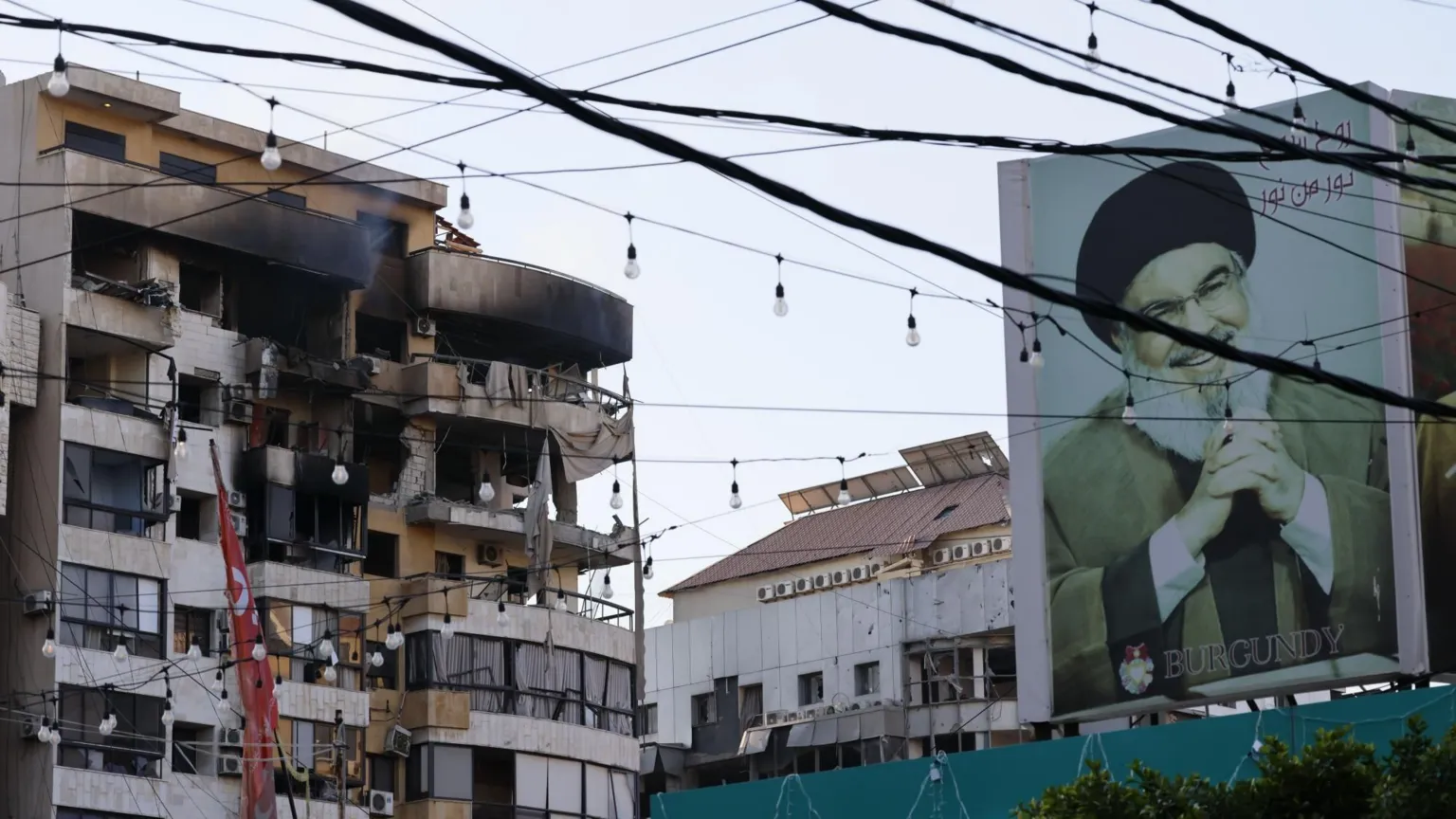
The decision drew immediate backlash from within Hezbollah’s own political orbit. Mohammed Raad, head of Hezbollah’s parliamentary bloc, denounced the cabinet’s move as a rash decision. Notably, however, two ministers from the allied Amal Movement and one minister from Hezbollah itself voted in favour of the ban — a sign of the intense pressure Lebanon’s fragile government faces as it attempts to assert sovereignty over armed factions operating within its borders.
Lebanese President Joseph Aoun condemned the Israeli strikes while simultaneously warning against Lebanon being turned into a battleground for regional conflicts. The US Embassy in Beirut renewed its call for American citizens to depart Lebanon immediately.
Hezbollah’s leader Naim Qassem had on Sunday denounced Khamenei’s killing as the height of crime, framing the group’s subsequent attacks as an act of vengeance. The strikes represent a dramatic rupture of the November 2024 ceasefire, under which Hezbollah had agreed to end its armed presence south of the Litani River — roughly 30 kilometres from the Israeli border — while Israel committed to withdrawing its forces from southern Lebanon. Israeli troops have continued to occupy at least five positions in southern Lebanon since that agreement, and the IDF has carried out near-daily strikes on targets it links to Hezbollah, accusing the group of attempting to rearm in violation of the deal.
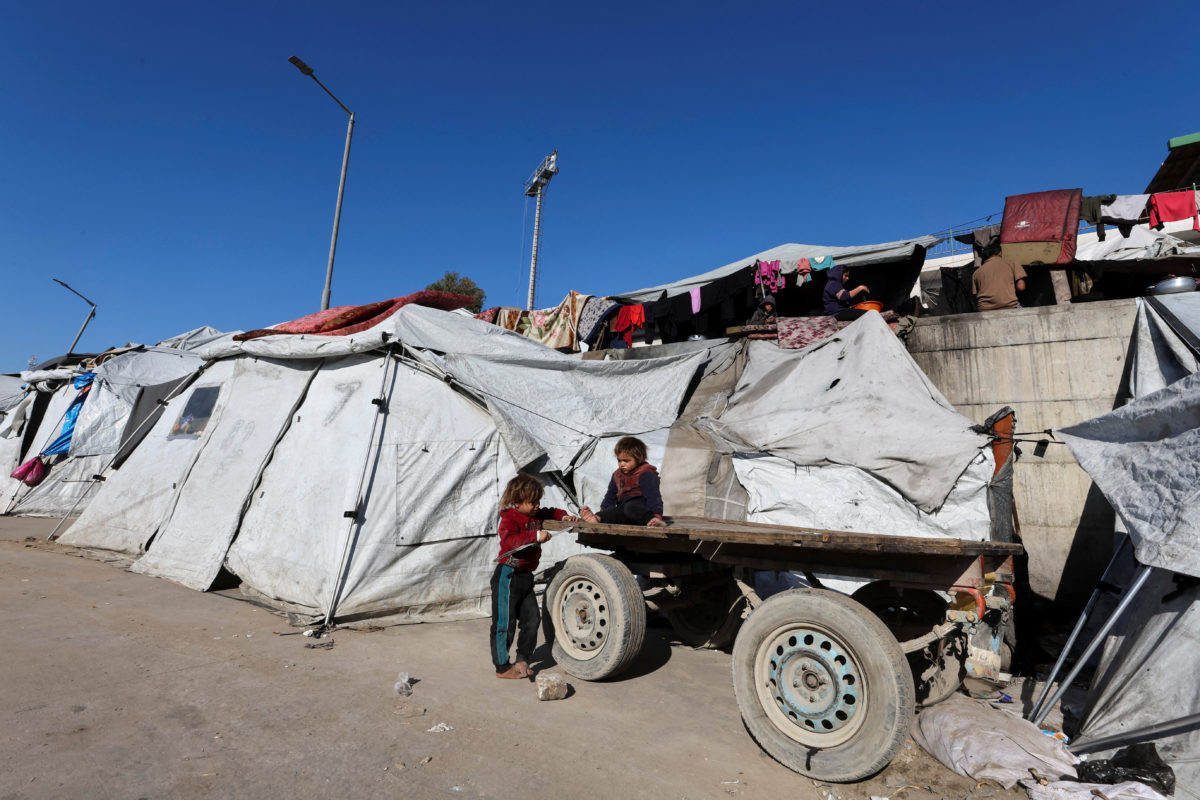
The previous conflict, which began on 8 October 2023 — one day after Hamas attacked southern Israel — escalated sharply in September 2024 when Israel launched an intense air campaign and ground invasion targeting Hezbollah. That war killed approximately 4,000 Lebanese and 120 Israelis. Hezbollah’s former leader Hassan Nasrallah was killed in an Israeli strike on Dahieh during that campaign. Lebanon had decided last August to begin gradually disarming Hezbollah as part of a broader effort to consolidate state authority — a process now thrown into severe jeopardy by Monday’s events.
With Israel declaring a new offensive, Hezbollah vowing further retaliation, and Iran already striking back at US and Israeli interests across the region, the risk of a broader, multi-front war has risen sharply. Hezbollah is designated a terrorist organisation by the United States, the United Kingdom, and numerous other governments.