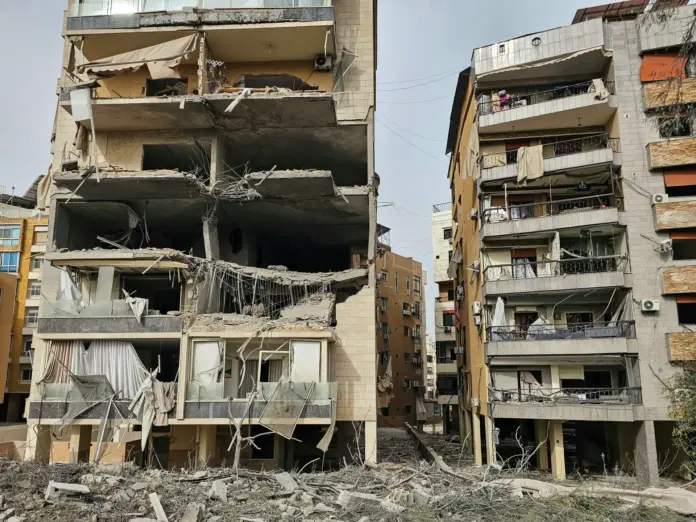
BEIRUT — Israeli forces struck multiple locations across Lebanon this week, killing at least seven people in and around Beirut and pushing the country’s overall death toll to 1,268 since the conflict began. The escalating campaign has displaced more than one million people and drawn sharp international criticism over Israel’s stated intention to permanently reshape the country’s south.
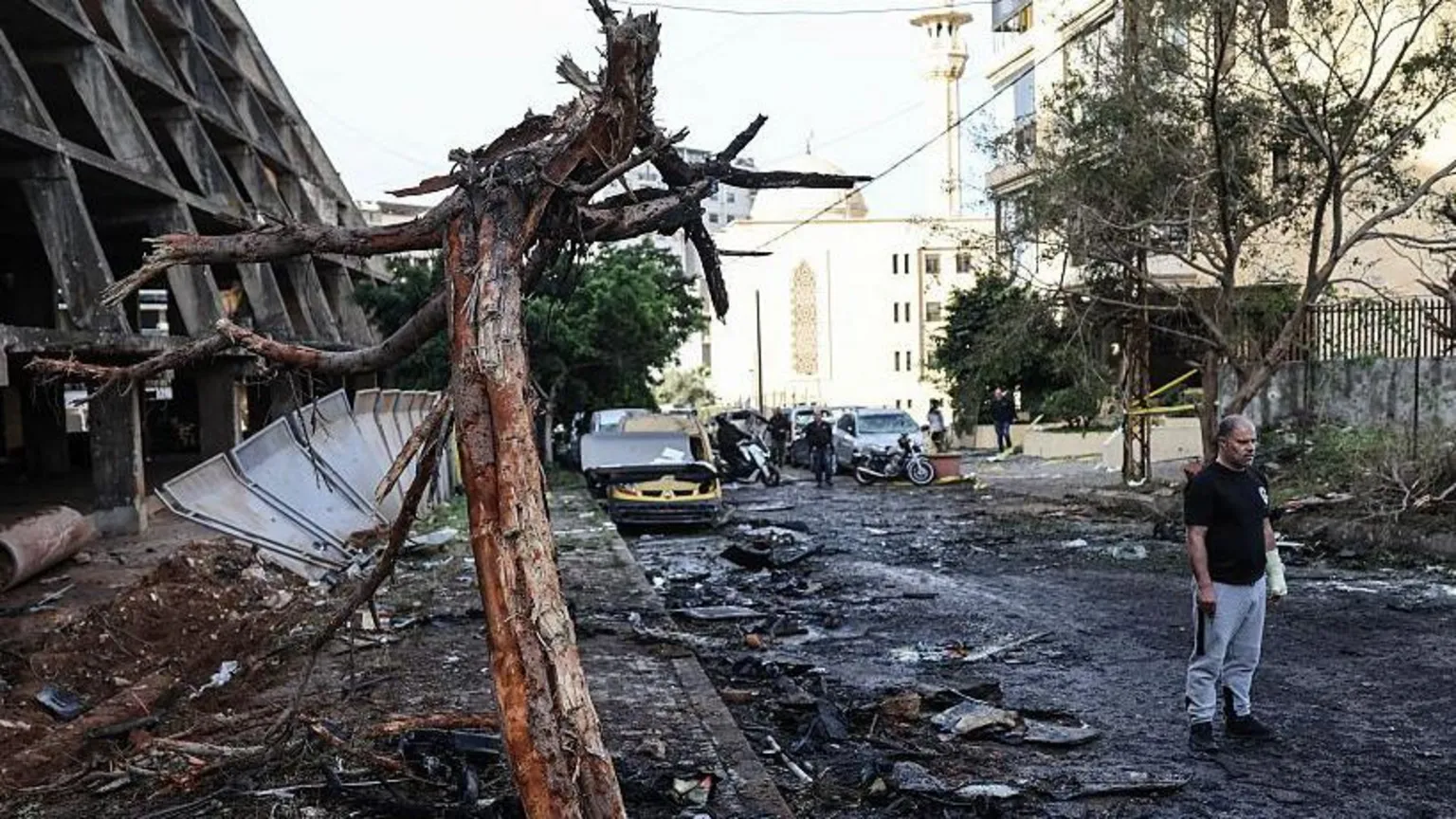
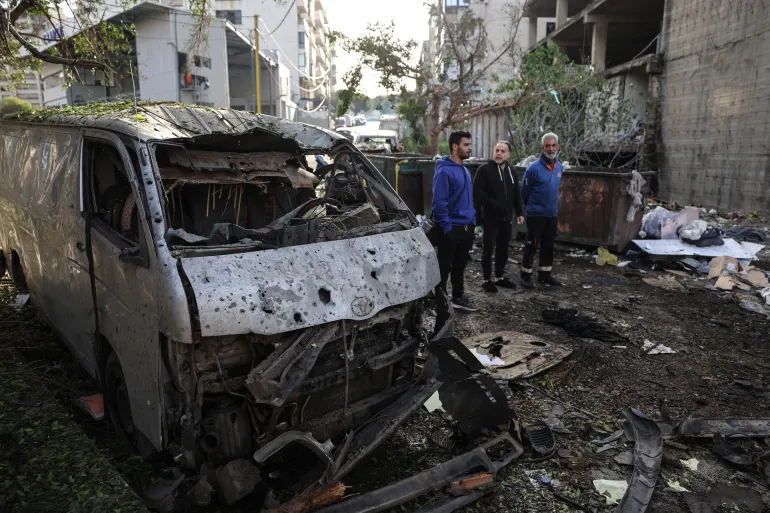
An Israeli raid on the Jnah neighbourhood in central Beirut struck after midnight on Wednesday, killing at least five people and wounding 21 others. Casualties were transported to Al-Zahraa Hospital, which received and treated the injured. A separate strike the previous day hit Khaldeh, south of Beirut, killing two people and injuring three more. The Israeli military said the raids were aimed at eliminating a senior Hezbollah commander, and later confirmed it had killed a senior commander and another senior figure from the group.
Wednesday’s strikes were not confined to Hezbollah strongholds. Israeli forces also hit the Hadath district in Beirut’s southern suburbs and targeted a vehicle in Mansourieh, a predominantly Christian residential neighbourhood north of the capital — an area well outside Hezbollah’s traditional sphere of control. A building near the road to Beirut’s international airport was also destroyed following an evacuation order. In southern Lebanon, an Israeli strike hit a health facility, killing a paramedic, bringing the total number of health workers killed since the start of the war to 53.
Hezbollah responded with sustained cross-border fire. The group claimed rocket attacks against Israeli soldiers on Wednesday and said its fighters were engaged in fierce clashes with Israeli troops in the town of Shamaa, roughly five kilometres from the border. Israeli media reported that Hezbollah fired a barrage of more than 40 rockets on Tuesday night alone. At least 10 Israeli soldiers have been killed since the current phase of fighting began.
Three UNIFIL peacekeepers were also killed in southern Lebanon this week, adding to international alarm over the breadth of the conflict. The United Nations has separately criticised Israel’s announced plan to establish security control over southern Lebanese territory extending to the Litani River, approximately 30 kilometres from the Israeli border — a zone Israel says it intends to hold even after active hostilities end.
Israeli Defence Minister Israel Katz made the scope of Israel’s ambitions explicit on Tuesday, declaring that more than 600,000 displaced Lebanese residents would be barred from returning to the south until the safety of northern Israeli communities was guaranteed. He added that homes in villages near the border would be demolished — invoking the destruction of Rafah and Beit Hanoun in Gaza as a model. Far-right members of the Israeli government have gone further, publicly urging Prime Minister Benjamin Netanyahu to annex southern Lebanon outright. Netanyahu earlier in the week ordered the military to further expand the ground invasion.
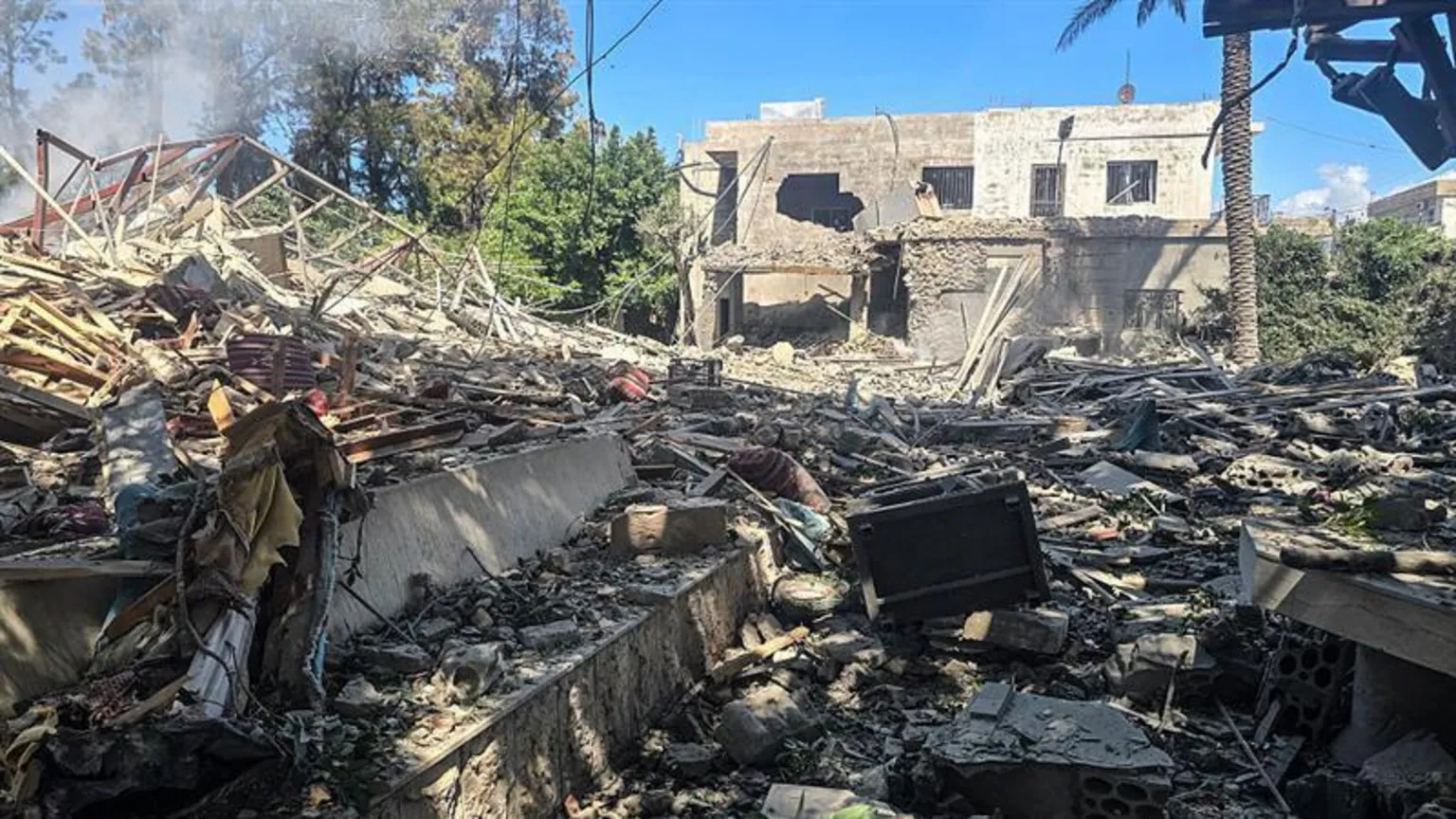
Israeli forces have systematically destroyed bridges and infrastructure across the south, severing supply lines and cutting the region off from the rest of the country. The Lebanese army, meanwhile, has withdrawn its last positions from the south, pulling out from the villages of Ain Ibel and Rmeish. An Israeli air strike also struck a Lebanese army checkpoint, killing a soldier.
The Lebanese government finds itself in a deeply constrained position. Prime Minister Nawaf Salam formally banned Hezbollah’s military activities last month and called on the Lebanese army to prevent any attacks originating from Lebanese soil. Hezbollah has refused to disarm, insisting on its right to repel Israeli attacks, and continues to operate independently of the Beirut government.
The conflict’s origins trace to 2 March, when Hezbollah launched missiles toward Israel in solidarity with its ally Iran, days after the United States and Israel struck Iranian targets on 28 February. Israel responded with broad strikes across Lebanon and subsequently launched a ground invasion. The campaign has since expanded well beyond Hezbollah’s southern strongholds, reaching into the heart of the capital.
The scale of displacement and destruction has drawn comparisons to a darker chapter in Lebanese history. Israel occupied southern Lebanon for nearly 18 years between 1982 and 2000 — a period that ended with a Hezbollah-led military campaign that forced a unilateral Israeli withdrawal. With Israeli officials now openly discussing long-term territorial control and the demolition of border villages, fears are mounting that the current conflict could entrench a new and indefinite occupation of the south.