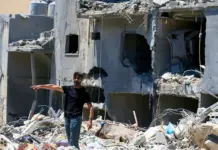
Israeli forces have razed more than 1,400 buildings across southern Lebanon since 2 March, with satellite imagery and verified visual evidence documenting a systematic campaign of demolition that has emptied entire border towns and drawn warnings from international law experts that the destruction may amount to a war crime.
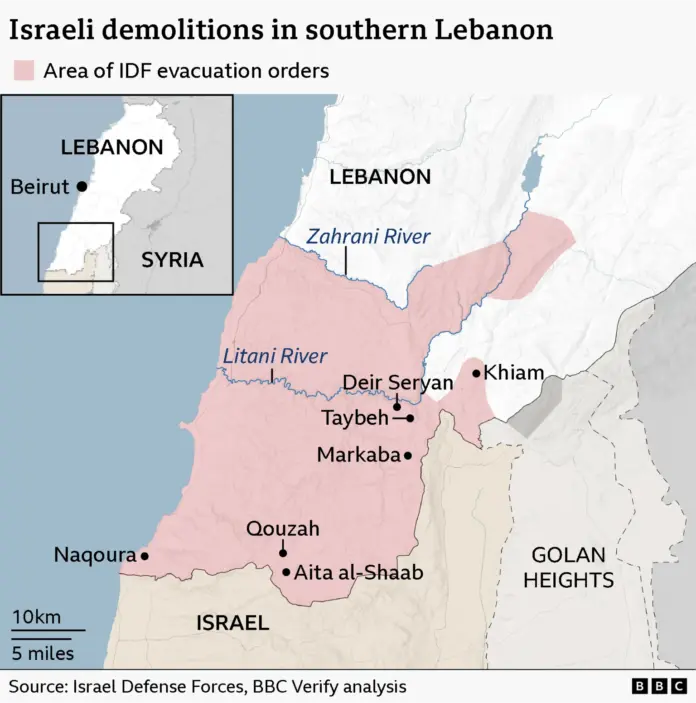
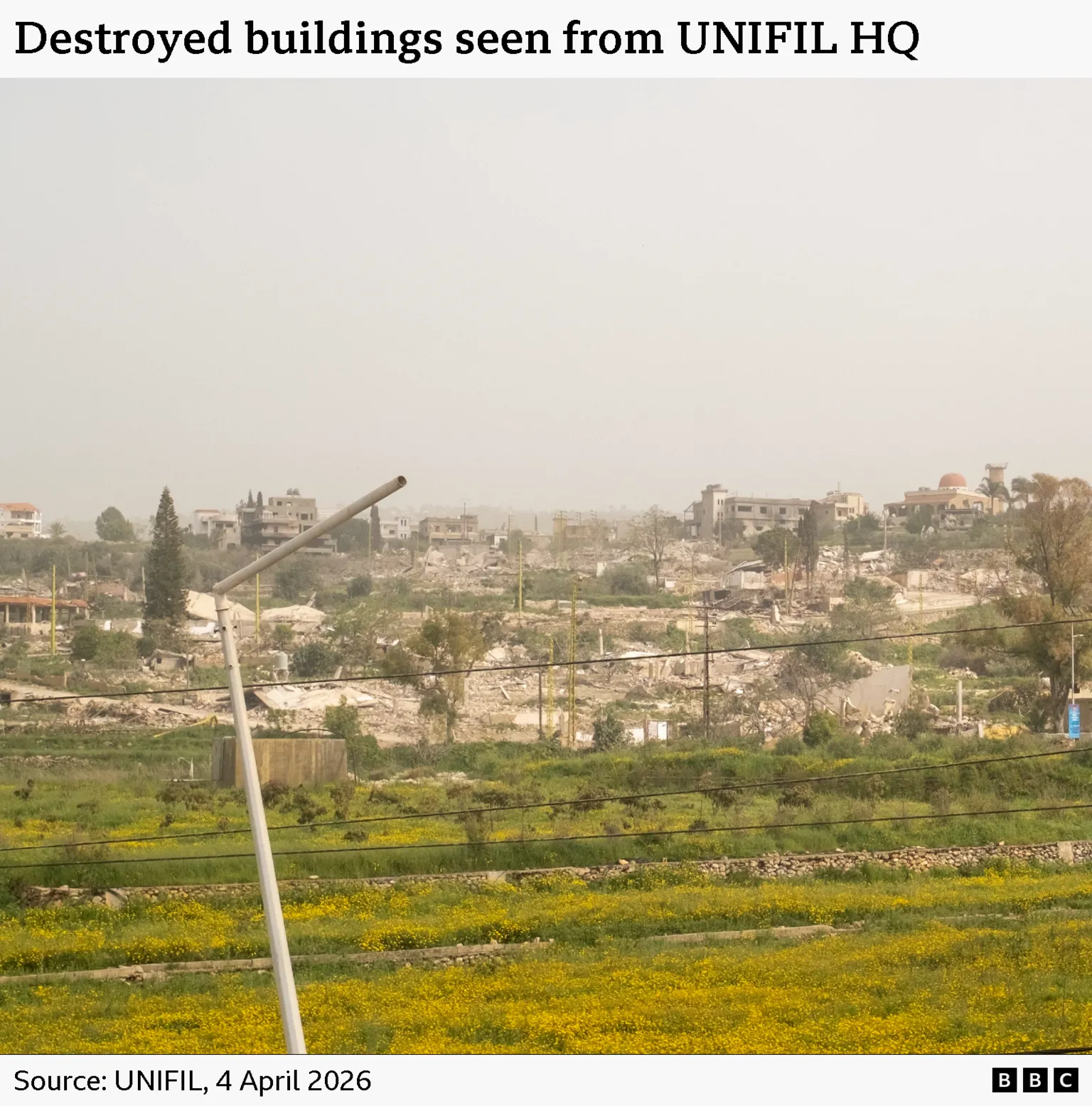
The scale of the destruction became starkly visible in towns such as Taybeh, located roughly 4 kilometres from the Israeli border, where satellite images comparing conditions on 28 February and 11 April show more than 400 structures levelled — including a mosque. In Aita al-Shaab, more than 460 buildings have been demolished. The coastal town of Naqoura has lost at least 100 buildings in recent weeks, with explosions from Israeli demolitions damaging the headquarters of UNIFIL, the United Nations peacekeeping mission operating in the region.
Kandice Ardiel, a spokeswoman for UNIFIL, confirmed she had witnessed regular demolitions of several buildings at a time since early April. Verified evidence points to controlled demolitions in at least seven border towns and villages, a pattern that analysts say reflects deliberate policy rather than battlefield necessity.
That policy was made explicit on 22 March, when Israeli Defence Minister Israel Katz ordered forces to "accelerate the destruction of Lebanese homes" near the border, invoking what he described as the "model in Gaza." Katz has also outlined plans for an Israeli-controlled security zone stretching from the border to the Litani River — a strip that would encompass approximately 10 percent of Lebanon's total territory.
The conflict escalated sharply on 2 March, when Hezbollah, the Iranian-backed Shia political and military group, launched rockets and drones into Israel in retaliation for the killing of Iran's supreme leader. The Israel Defense Forces responded with a wave of strikes across Lebanon and launched a ground invasion of the south. An IDF spokesperson issued the first evacuation orders to Lebanese civilians living close to the border on the same day. Those orders were subsequently expanded to residents living south of the Litani River, approximately 30 kilometres from the border, and later widened further to encompass those south of the Zahrani River, roughly 40 kilometres away. On 16 March, the IDF formally announced that its troops had begun a ground operation against Hezbollah in southern Lebanon.
The human toll has been severe. The Lebanese health ministry reports more than 2,000 people killed since the war began. Figures from UN OCHA estimate that more than 1.2 million people have been displaced across Lebanon, with 820,000 of those uprooted from the south alone. On the Israeli side, authorities report 13 soldiers and two civilians killed by Hezbollah over the past six weeks.
International law experts have raised urgent concerns about the demolition campaign. Legal specialists told investigators that the systematic razing of towns and villages — particularly when conducted away from active combat — may violate the laws of armed conflict, which prohibit the destruction of civilian property unless there is imperative military necessity. The IDF maintains it operates in full accordance with the Law of Armed Conflict and denies permitting destruction without such necessity. It has also claimed, without providing supporting evidence, that Hezbollah has embedded military infrastructure within civilian areas throughout the region.
The broader conflict has its roots in the Hamas-led attack on Israel on 7 October 2023, which triggered the war in Gaza and set in motion a parallel escalation along the Lebanese border as Hezbollah began launching strikes in solidarity with Gaza. What began as cross-border exchanges has since evolved into a full ground campaign that is reshaping the physical landscape of southern Lebanon and raising fundamental questions about the conduct of modern urban warfare and the protections owed to civilian populations under international law.
With Katz's proposed security zone still under discussion and demolitions continuing, the prospect of any near-term return for the more than 820,000 displaced residents of southern Lebanon appears increasingly remote.