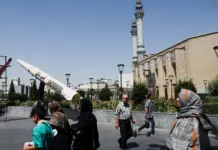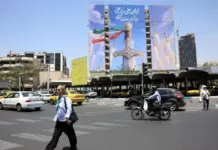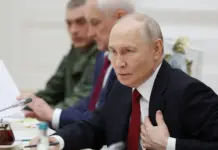
ISLAMABAD / TEHRAN, April 21, 2026 — Iran’s leadership hardened its position against diplomatic engagement on Tuesday, with parliament speaker Mohammad Bagher Ghalibaf declaring that Tehran will not accept negotiations conducted under what he called the "shadow of threats" — even as a two-week ceasefire teetered on the edge of collapse and a senior American delegation prepared to land in Pakistan for a second round of indirect talks.
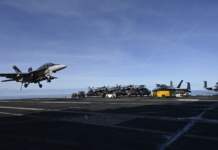
The ceasefire, which came into effect last Friday, was set to expire on Wednesday. US President Donald Trump made clear that a naval blockade on Iranian ports would remain in place until Tehran agreed to a deal, a posture Iranian officials cited as precisely the kind of coercion that makes negotiations impossible. Iran’s Foreign Ministry spokesman Esmaeil Baghaei confirmed no decision had been made on whether Iran would participate in the Islamabad talks at all. Ghalibaf went further, warning that Iran was prepared for what he described as "another scenario based on confrontation."
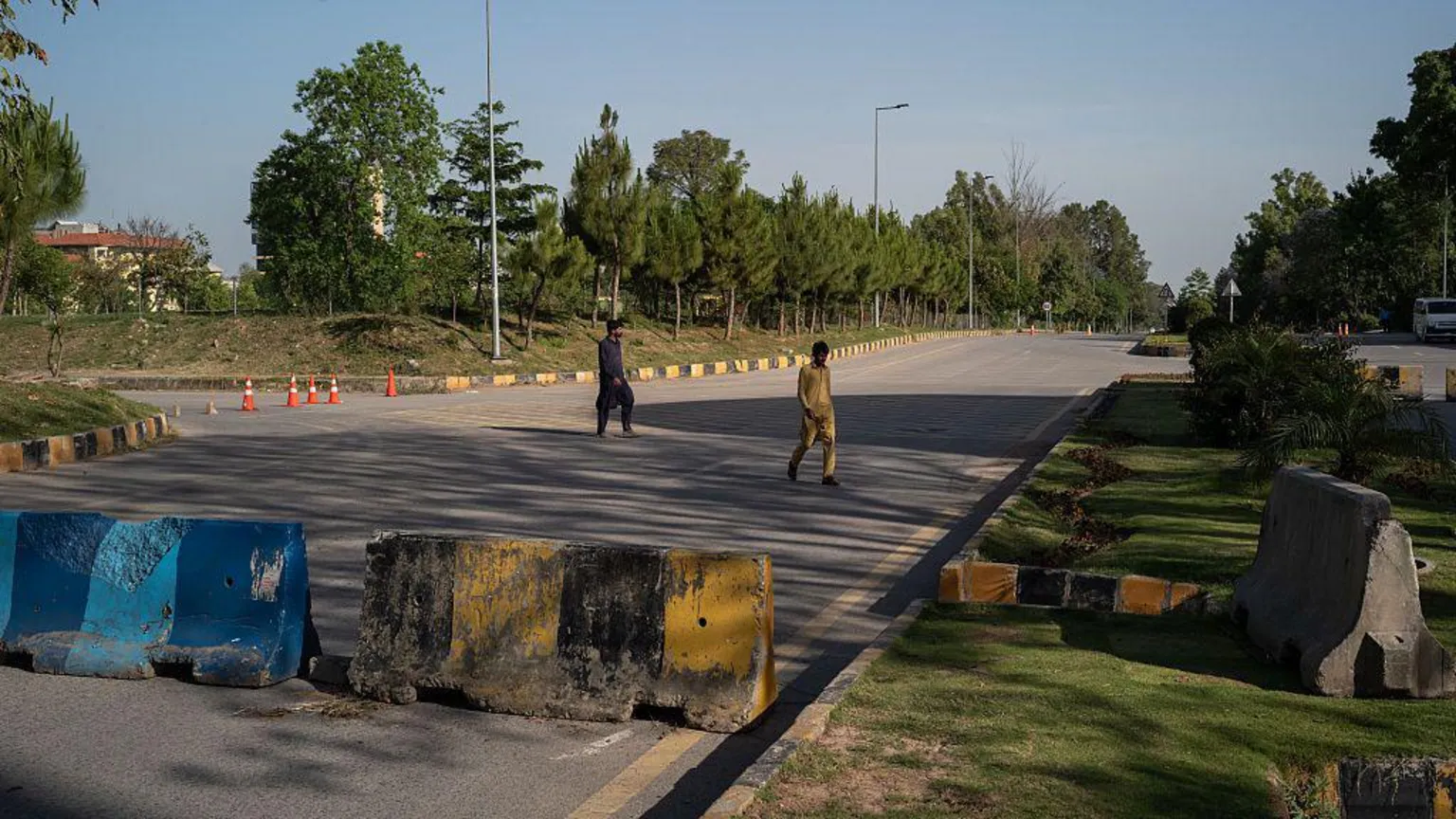
Despite the diplomatic impasse, Vice President JD Vance was expected to arrive in Islamabad on Wednesday to lead the US delegation, accompanied by Trump envoys Steve Witkoff and Jared Kushner. Tens of thousands of security personnel were deployed across parts of the Pakistani capital, with significant areas placed under lockdown ahead of the talks.
![Soldiers patrol in Islamabad as Pakistan prepares to host the US and Iran for the second phase of peace talks, April 21, 2026 [Akhtar Soomro/Reuters]](https://world-tension.s3.us-east-2.amazonaws.com/articles/517/93546c50564f411eb08434282346eee7.webp)
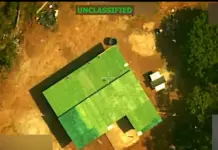
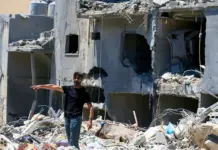
The humanitarian and infrastructural toll inside Iran continued to mount. Iran’s Health Ministry reported that eight hospitals have been evacuated since the war began, with 46 medical facilities and 216 health centres sustaining damage. Footage from Khatam Al-Anbiya Hospital in Tehran showed nurse Neda Salimi captured on closed-circuit television scooping up three newborns and sprinting from the neonatal ward as explosions shook the building. At Khalij-e Fars Bushehr Hospital, staff evacuated newborns in fruit baskets on March 1 after missiles struck nearby. The entire facade of Gandhi Hospital in Tehran was torn away by the force of heavy bombing in the surrounding area. Iran’s Islamic Revolutionary Guard Corps separately announced it had defused three unexploded MK-84 aircraft bombs — 900-kilogram munitions capable of carving craters more than 11 metres deep — in Lorestan province.
The conflict’s economic reverberations are being felt far beyond the region. International Energy Agency chief Fatih Birol described the ongoing disruption as the biggest energy crisis in history. In March, the IEA authorised the release of 400 million barrels of oil from member nations’ strategic stockpiles in an effort to stabilise prices. Despite that intervention, the Strait of Hormuz remains a chokepoint of acute danger. Hundreds of vessels and approximately 20,000 seafarers are stranded in the Gulf, unable to transit the waterway. UN Secretary-General António Guterres expressed alarm over the restrictions, while China’s Foreign Ministry said it hoped normal transit through the strait would resume soon.
A new threat has compounded the maritime crisis. Greek risk management firm MARISKS warned that unknown actors impersonating Iranian authorities have been demanding cryptocurrency payments as transit fees for passage through the Strait of Hormuz. At least one vessel that fell victim to the scam was struck by gunfire while attempting to exit the strait on Saturday.
Global food security is also under strain. UN spokesman Stéphane Dujarric said roughly 10 to 12 percent of the world’s fertiliser supplies are currently blocked as a result of the conflict. Malawi’s fertiliser association warned that domestic prices could rise by as much as 85 percent. Commodity markets reflected broader anxiety: spot gold fell 0.5 percent to $4,795.51 per ounce in early trading, with US gold futures for June delivery down 0.3 percent to $4,814 — a decline of roughly 8 percent since the war began, suggesting some easing of the acute panic that drove prices to record highs in the conflict’s opening weeks.
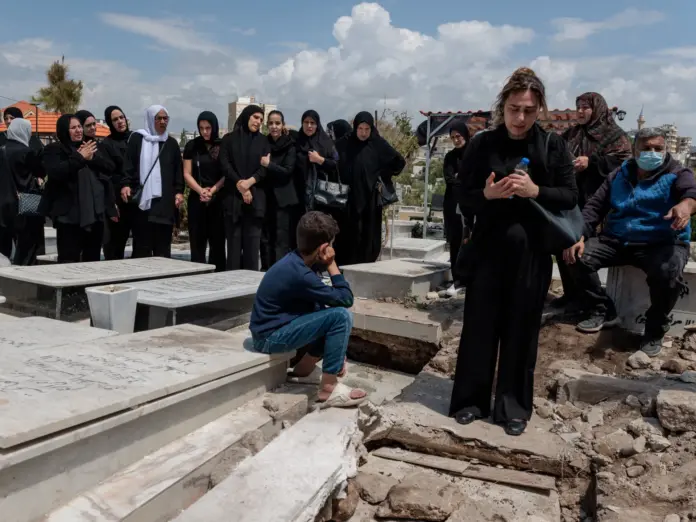
On Israel’s northern front, a fragile ceasefire with Hezbollah showed signs of unravelling. Israeli Defence Minister Israel Katz issued a direct threat against Hezbollah secretary-general Naim Qassem on Tuesday morning. Israeli forces conducted an air attack on the southern Lebanese town of Qaaqaaiyet El Jisr, wounding six people, and demolished homes in Khiam — actions that drew condemnation as violations of the 10-day ceasefire framework. Lebanon and Israel were nonetheless scheduled to send their ambassadors to Washington on Thursday for US-mediated talks aimed at ending hostilities.
In the West Bank, Israeli forces conducted raids across multiple cities. Troops stormed dozens of homes in Huwara, raided properties in Bethlehem and arrested two people, and entered Hebron to rearrest a former prisoner. In Beita near Nablus, a man and his son were severely beaten during a home raid. Israeli settlers assaulted farmers near the village of al-Mughayyir northeast of Ramallah, and a 16-year-old Palestinian was killed by settlers near Hebron. A Palestinian woman also died from shrapnel wounds sustained during an Israeli raid on Jenin camp in 2023. Near Khan Younis in Gaza, three Palestinians were killed in Israeli strikes, including a man described as recently married. A separate Israeli attack killed a Palestinian woman in northern coastal Gaza.
Inside Iran, authorities executed a man identified as Amirali Mirjafari on charges of working with Israel’s Mossad intelligence service and committing arson at the Qolhak mosque in Tehran during protests in January. Officials said he had also been convicted of leading what they described as anti-security activities.
With the ceasefire expiring within hours and no confirmed Iranian participation in the Islamabad process, the path to de-escalation on day 53 of the conflict remained deeply uncertain.