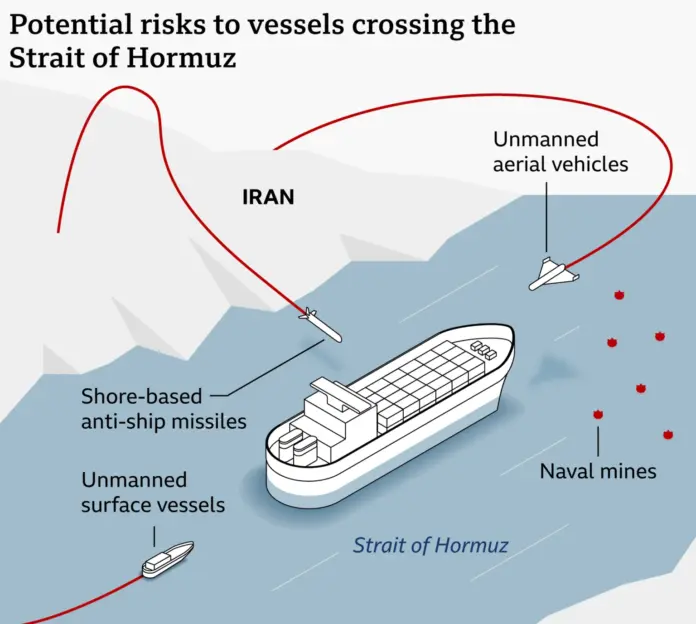
Iran is moving to enshrine its authority over the Strait of Hormuz in law, with parliament advancing a bill that would regulate passage through the critical waterway on grounds of environmental protection, maritime safety, and national security — a development that threatens to complicate fragile diplomatic efforts between Tehran and Washington.
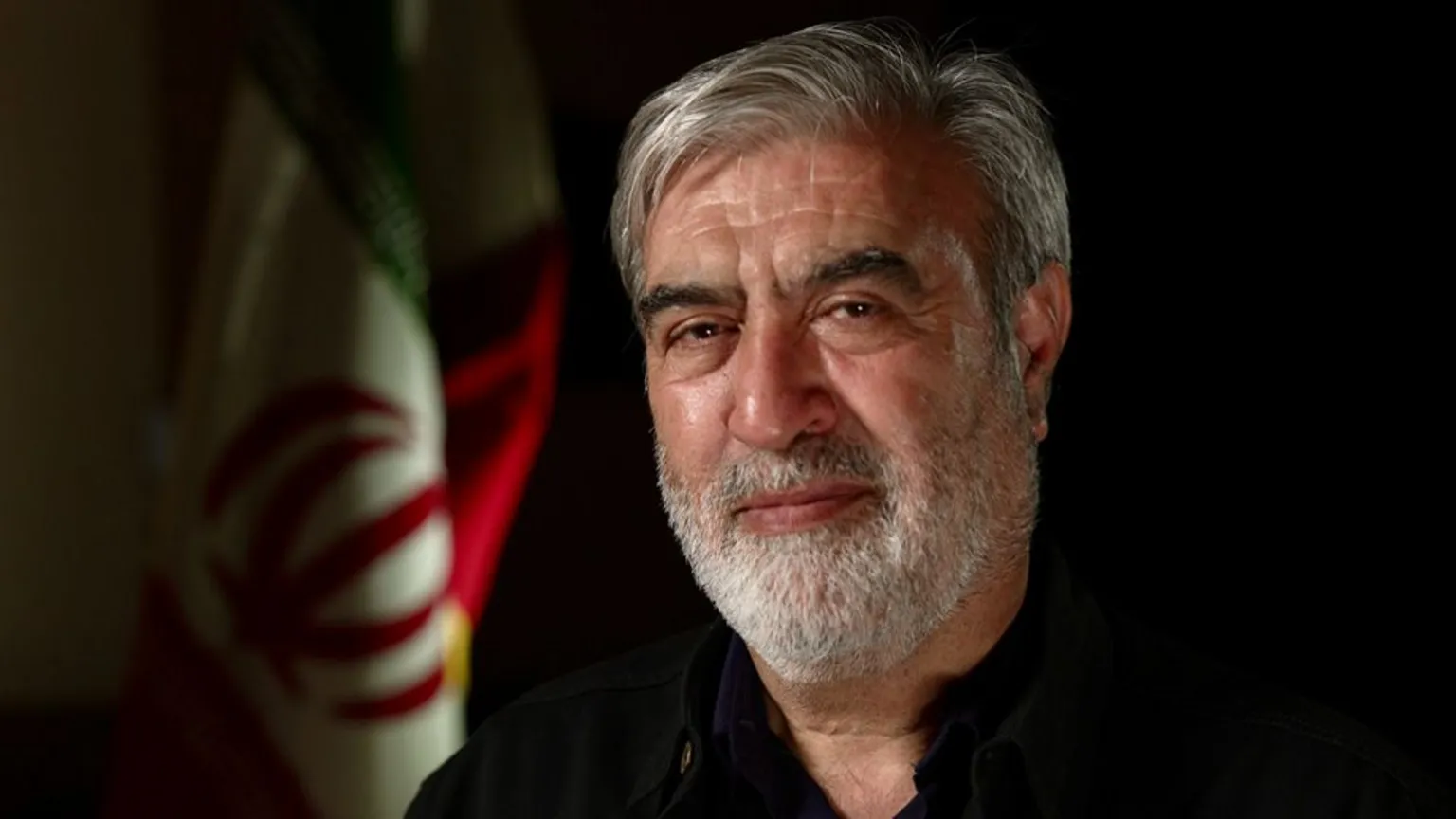
Ebrahim Azizi, a former commander in Iran’s Islamic Revolutionary Guards Corps (IRGC) who now chairs the parliamentary Committee for National Security and Foreign Policy, is spearheading the legislation. The bill, grounded in Article 110 of the Iranian constitution, would give Tehran formal legal cover to impose conditions on vessels transiting the strait — through which a significant share of the world’s oil and gas supplies flows daily.
The move follows a public controversy ignited by Foreign Minister Abbas Araghchi, who posted on social media Friday declaring the Strait of Hormuz "completely open." The statement drew an immediate, capitalised "THANK YOU" from US President Donald Trump — a response that infuriated hardliners inside Iran. The IRGC-linked Mehr news agency condemned Araghchi’s post as handing Trump an unearned propaganda victory, while Tasnim news agency called the tweet "bad and incomplete."
Araghchi subsequently clarified his position, stating that the strait is open only to vessels authorised by the IRGC navy, travelling through designated routes, and subject to toll payments — a formulation that falls considerably short of the unconditional access Trump appeared to celebrate.
The episode has exposed deep fissures within Iran’s political establishment at a moment of acute external pressure. Trump issued a stark warning on 5 April, threatening in an expletive-laden social media post that Iran would be "living in hell" if it failed to open the maritime corridor. He has also accused Tehran of attempting to "blackmail" the United States, and separately announced that Washington had seized an Iranian vessel in the strait.
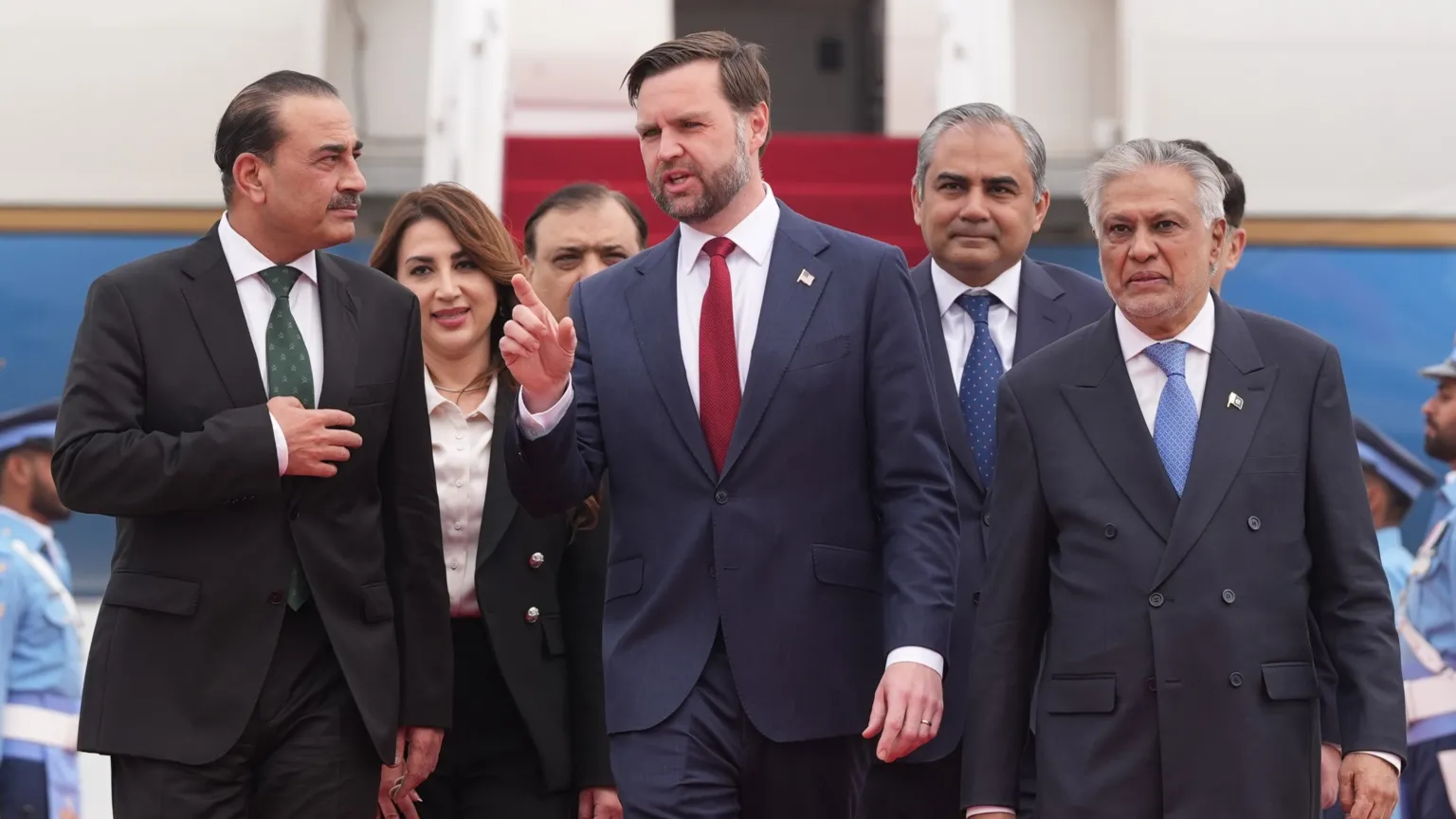
Diplomatic efforts are nonetheless continuing, at least for now. A first round of face-to-face negotiations took place in Islamabad last weekend, with US Vice-President JD Vance heading the American delegation and Iranian parliamentary speaker Mohammad Bagher Ghalibaf leading Tehran’s team. A second round is scheduled for Tuesday in the Pakistani capital. However, local media in Iran suggest Tehran may refuse to attend as long as a US blockade of Iranian ports remains in place — a condition that could collapse the talks before they resume.
Regional neighbours are watching the standoff with alarm. Oman, which controls the southern coast of the strait and maintains close ties with Tehran, engaged in discussions with Iranian officials earlier this month aimed at ensuring unimpeded vessel transit. The United Arab Emirates has taken a sharper tone: Dr Anwar Gargash, diplomatic adviser to the UAE president, characterised Iran’s conduct regarding the waterway as "an act of hostile piracy."
The Hormuz crisis is unfolding against a backdrop of severe domestic turmoil inside Iran. A near-total digital blackout has been in force for weeks, restricting the flow of information in and out of the country. Nationwide protests that erupted in January were suppressed with lethal force, killing many thousands of people. Human rights organisations, including Amnesty International, have documented dozens of death sentences handed down to individuals detained during those demonstrations, and several executions — including of young people — have already been carried out.
Iran also remains in the aftermath of a five-week war, now paused under a fragile temporary ceasefire, during which it conducted strikes on neighbouring countries. The combination of military exhaustion, economic strain, and internal repression has left the government navigating an unusually precarious position as it attempts to manage both the Hormuz standoff and the prospect of a nuclear deal with Washington.
The parliamentary bill on the strait, if passed, would transform what has until now been an implicit threat into codified state policy — giving the IRGC legal authority to enforce access conditions that the international community is unlikely to recognise. Whether that legislation advances or stalls may itself serve as a signal of which faction within Iran’s fractured leadership is gaining the upper hand.