DOHA — Iran fired 66 ballistic missiles at Qatar in a sweeping strike that injured 16 people, triggered emergency alerts across the Gulf and drew sharp condemnation from Doha, which called the attack a reckless violation of its sovereignty and reserved the right to respond under international law.
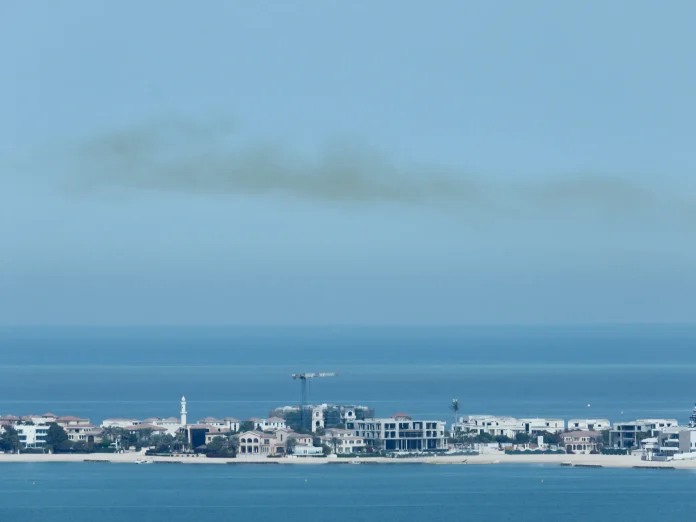
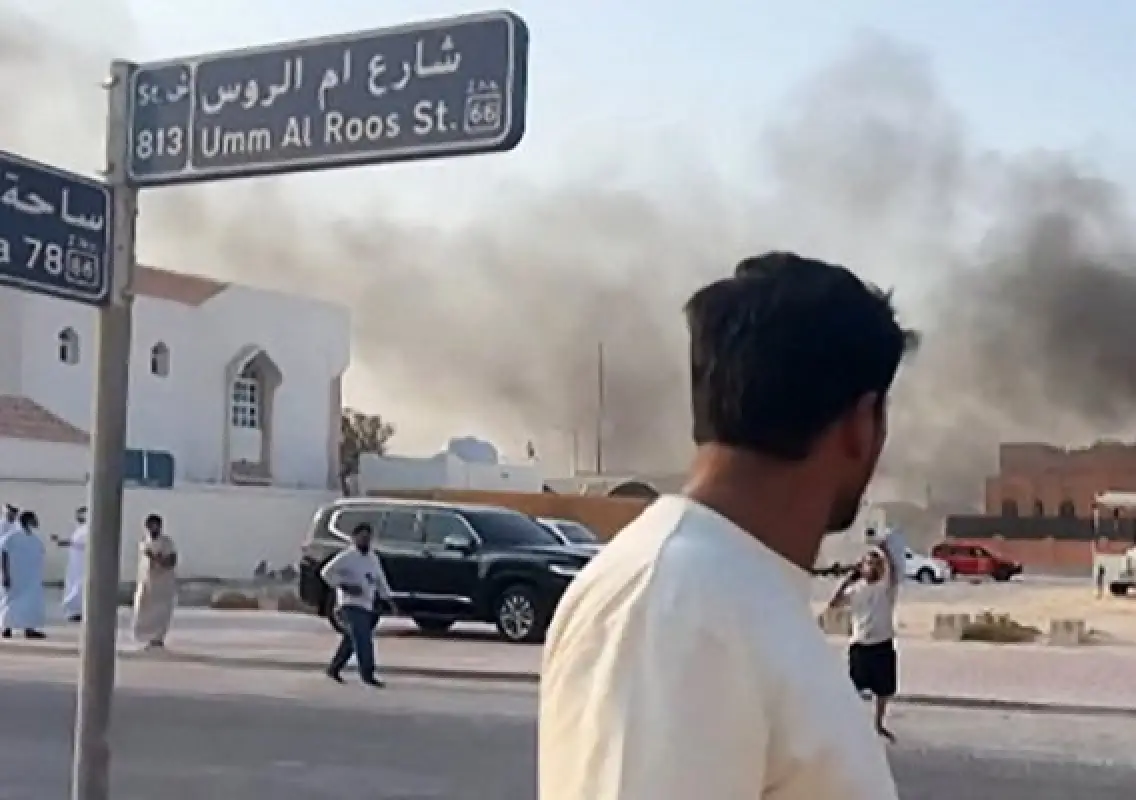
Qatari air defence systems intercepted all incoming projectiles before they entered the country’s airspace, according to the Ministry of Defence, which confirmed it had also successfully neutralised a second wave of attacks. Despite the interceptions, falling shrapnel and debris reached the ground, with authorities logging 114 reports of debris falling across the country. Sixteen people sustained injuries; one remains in critical condition.
Brigadier Abdullah Khalifa Al-Muftah, head of public relations at the Ministry of Interior, confirmed the casualty figures and said the ministry had issued an emergency alert urging residents to remain indoors, stay away from military installations and refrain from handling any unidentified debris on the ground.
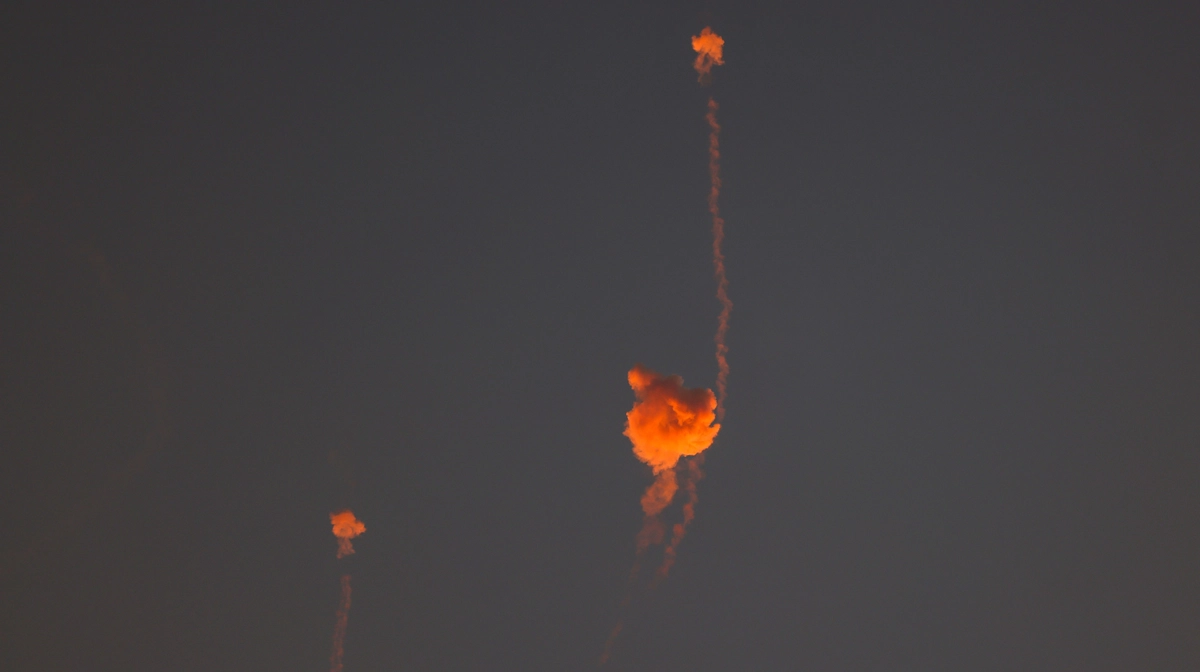
Qatar’s strike came during a broader Iranian missile barrage directed at multiple Gulf states. Kuwait, the United Arab Emirates, Bahrain and Jordan all reported intercepting Iranian missiles during the same assault, underscoring the geographic breadth of Tehran’s response and the degree to which the conflict had spilled beyond Israeli and American territory.
The attack was a direct consequence of a joint US-Israeli military campaign launched on 28 February aimed at dismantling Iran’s military capacity. American forces carried out nearly 900 strikes on targets inside Iran within the first 12 hours of the operation alone. The stated objective of the US military command was to strip Iran of its ability to threaten neighbouring countries with missiles, drones or naval forces. Iran’s missile salvos against Gulf states represented its most significant retaliatory action since that campaign began.
Central to the targeting logic was Al Udeid airbase, located near Doha, which hosts a substantial contingent of US forces and serves as a critical hub for American military operations across the region. The base had already been targeted by Iran during the 12-day conflict, making Qatar — despite its historically neutral diplomatic posture — a frontline state in the confrontation.
Ibrahim Sultan Al-Hashemi, head of public relations at the Ministry of Foreign Affairs, said Doha viewed the attack as fundamentally incompatible with the principles of good neighbourliness and the norms of international relations. The Foreign Ministry described Iran’s conduct as both reckless and irresponsible, and formally condemned the targeting of Qatari territory with Iranian ballistic missiles. Qatar simultaneously called for an immediate halt to escalation and urged all parties to return to negotiations.
The strikes sent air raid alerts rippling across the Gulf during the holy month of Ramadan, disrupting nightly routines and amplifying anxiety in a region where critical energy infrastructure — including liquefied natural gas terminals, oil pipelines and desalination plants — sits within range of Iranian ballistic missiles. The psychological and economic stakes of sustained conflict in the Gulf are enormous, with global energy markets closely tracking every development.
Qatar’s position throughout the broader Iran-Israel-US confrontation has been delicate. Doha maintains diplomatic channels with Tehran while simultaneously hosting the largest US military base in the Middle East. That balancing act has now been tested directly, with Iranian missiles landing on Qatari soil for the first time. The Foreign Ministry’s language — condemning the attack while calling for de-escalation — reflected an attempt to preserve diplomatic options even as it asserted its sovereign right to respond.
The full scale of damage to infrastructure and property across Qatar is still being assessed. Emergency services remained on heightened alert as authorities continued to collect and secure debris from the 114 reported impact sites. Officials have not yet specified what form any response under international law might take, but the statement signals that Doha does not intend to absorb the attack without consequence.