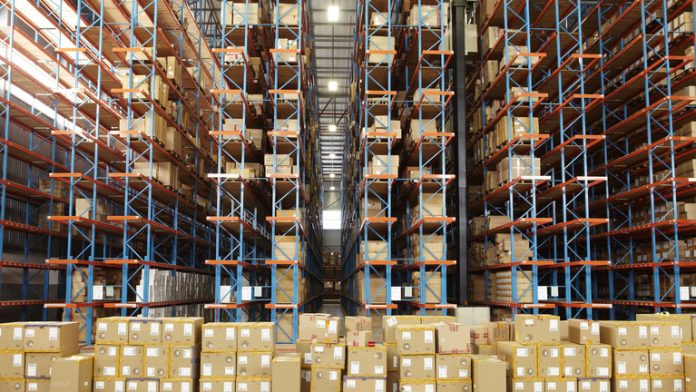
The European Union is reportedly developing plans for an emergency reserve of critical supplies due to escalating global threats, as revealed by a draft strategy from the European Commission expected to be released next week. The draft indicates a need for a new system to enhance the preparedness of EU member states for worldwide risks. It underscores that the EU is currently dealing with a complex mix of challenges, including heightened geopolitical tensions, climate change impacts, environmental issues, and cybersecurity threats. The strategy suggests establishing coordinated reserves of essential items such as food, pharmaceuticals, nuclear materials, rare earth elements, permanent magnets, and equipment for repairing cables.
This would be to facilitate a swift recovery from disruptions in energy or communication networks. The EU aims to form a “stockpiling network” to boost cooperation among member countries, noting a “limited common understanding of necessary supplies for crisis management.” Each member state would be tasked with updating lists of crucial goods specific to their region and potential crises, encouraging private sector involvement through incentives like tax benefits. The draft also mentions collaboration with NATO and other allies on shared warehousing and infrastructure management. Funding details for the initiative are expected to be part of upcoming proposals for the EU’s new multiannual budget.
The European Commission has not yet commented on the reported strategy. This development aligns with the EU’s broader focus on security, urging increased military budgets amid perceived threats, particularly from Russia—though these claims have been consistently denied by Moscow. Earlier this year, the ReArm Europe initiative was approved, allowing up to €800 billion in increased defense spending from 2024. Additionally, last month, European NATO countries agreed to raise defense budgets to 5% of GDP, citing the persistent threat from Russia to Euro-Atlantic security.
The Kremlin has dismissed accusations of aggression as unfounded and criticized the EU for using fear to justify extensive military expenditures.