Full Text:
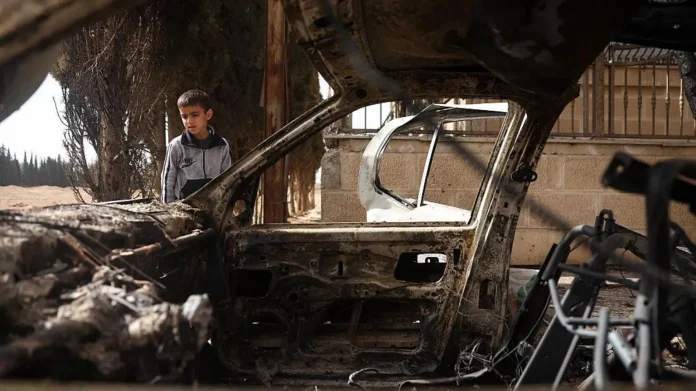
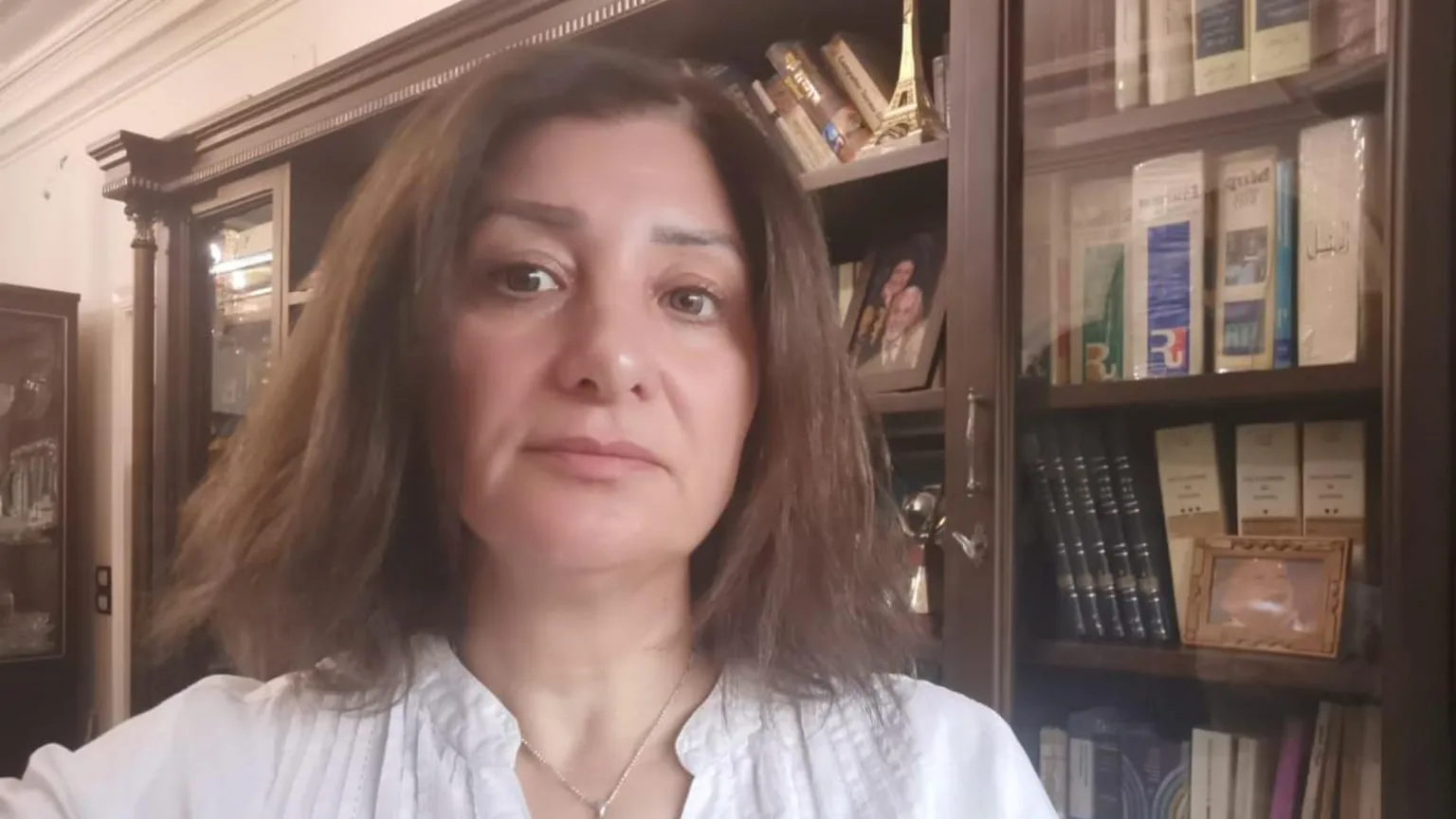
As gunfire erupted outside Lama al-Hassanieh’s house in Ashrafiyat Sahnaya, a suburb of Damascus, she sought refuge in her bathroom with her phone clutched tightly. Fear gripped her for hours as armed men in military-style outfits roamed her neighborhood, a heavy machine gun mounted on their vehicle just outside her window. The chilling threats they shouted targeted her and her fellow Druze community members. Unsure of the attackers’ identities, whether extremists or government forces, Lama felt the stark warning: as a Druze, her safety was compromised.
The Druze, with distinct beliefs that evolved from Shia Islam, have always navigated a fragile existence within Syria’s political landscape. Under former President Bashar al-Assad, the Druze mostly remained loyal to the regime, hoping it would shield them from the sectarian violence that tore apart other regions during Syria’s long-standing civil war. Many Druze protested during the uprising, particularly in its later stages. However, Assad, eager to present himself as a protector of minorities against Islamist extremists, refrained from harsh crackdowns on Druze dissenters—unlike his response in other rebellious cities.
Druze communities defended their areas with their own militia against Sunni Muslim extremist groups who viewed them as heretics but were generally left alone by pro-Assad forces. With Assad’s overthrow by Sunni Islamist-led rebels now heading an interim government, that tenuous accord has unraveled, raising concerns about exclusion and targeting of the Druze in a post-war Syria. Recent assaults on Druze communities by Islamist militias, some associated with the Damascus government, have worsened the community’s mistrust toward the state. Tensions have escalated since a controversial audio clip emerged in April, allegedly featuring a Druze religious leader disrespecting the Prophet Muhammad.
Despite the leader’s denial and a later statement by the Syrian interior ministry calling the recording a forgery, the damage had been done. A student’s viral video from the University of Homs incited immediate revenge against Druze, triggering sectarian violence nationwide. According to the UK-based Syrian Observatory for Human Rights, recent clashes claimed the lives of at least 137 people—comprising 17 civilians, 89 Druze fighters, and 32 security personnel—in areas like Ashrafiyat Sahnaya, Jaramana, and along the Suweida-Damascus highway. The Syrian government defended its operations in Ashrafiyat Sahnaya, stating they were meant to restore security amidst attacks that resulted in the deaths of 16 of its personnel.
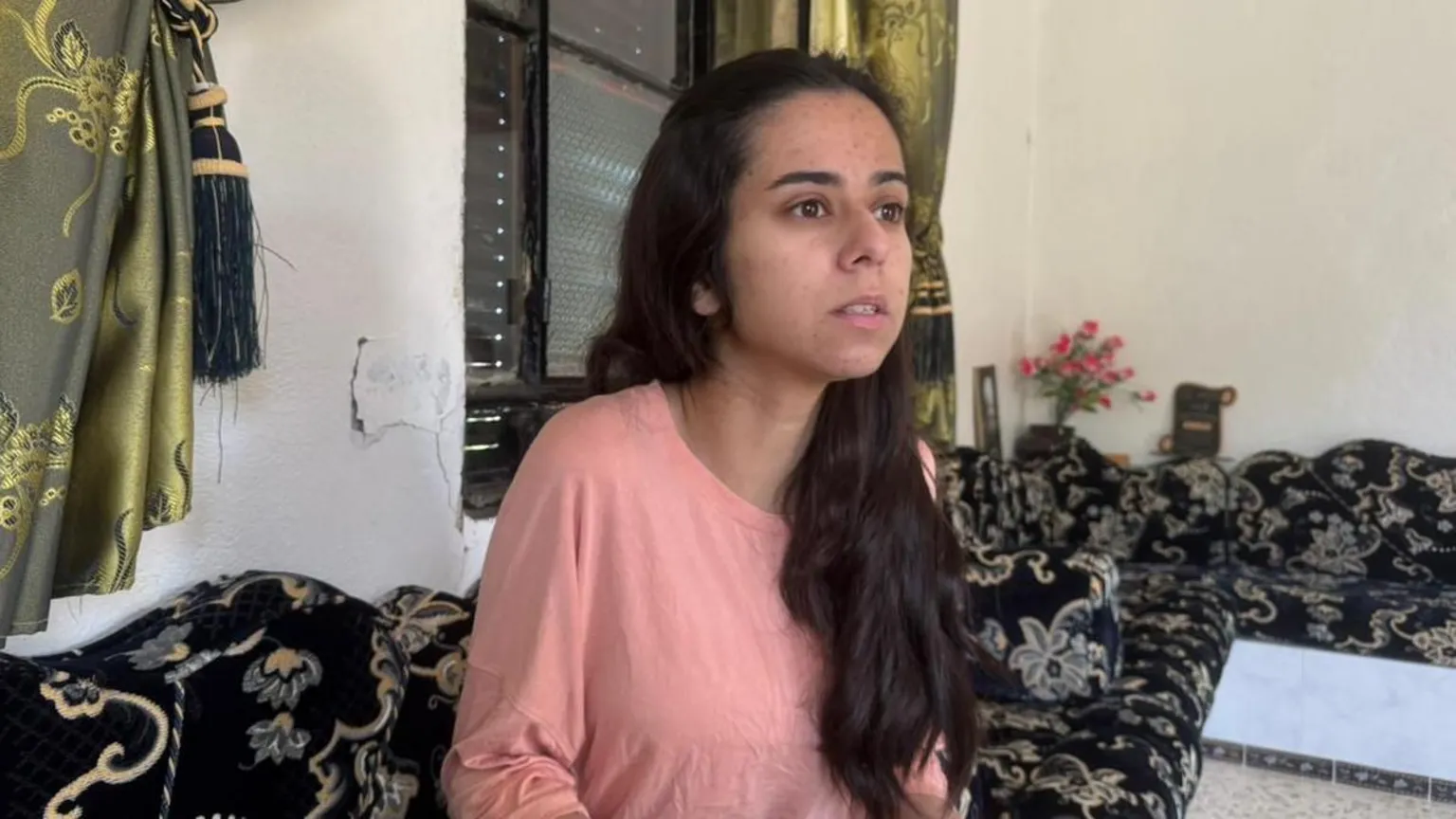
Lama Zahereddine, a pharmacy student from Damascus University, was close to finishing her degree when violence reached her locality. Invasion ensued as distant shelling transformed into direct assaults, with gunfire and mortars wreaking havoc in her community. Her uncle arrived to evacuate women and children amidst the chaos, leaving behind men armed with only light weapons in defense. “The attackers had superior firepower,” Lama recalled. “Our men could barely hold their ground.” The violence spread beyond her village. At Lama’s university, dorm intrusions saw students beaten with chains, and a student was stabbed just for being identified as a Druze. “They said we left college by choice,” she stated. “But why would I abandon my studies just short of graduation unless it was dire?” Lama, like many Druze, fears not just physical violence but also the state’s perceived failure to ensure their safety. “The government claims the attackers were unaffiliated outlaws.
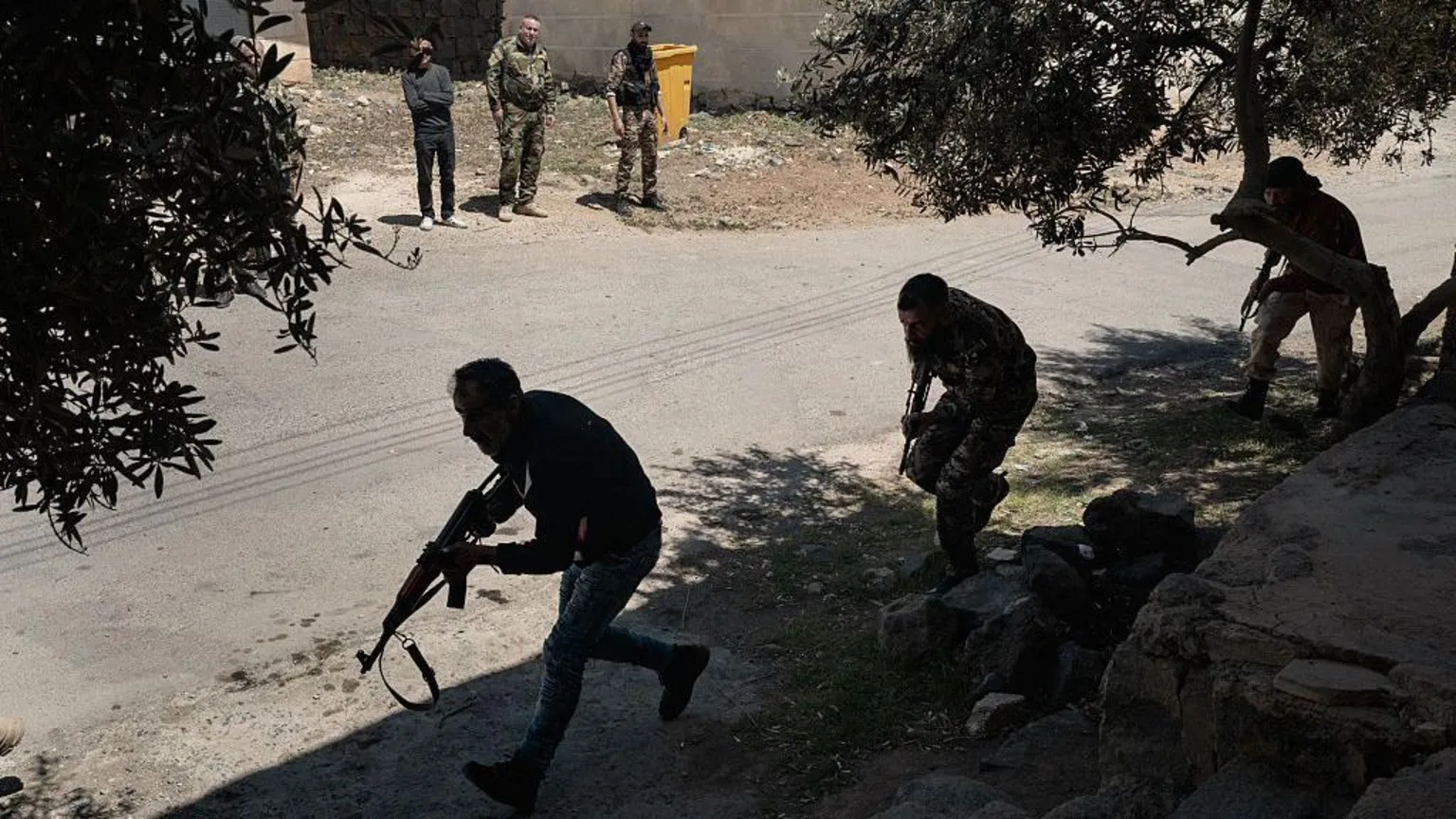
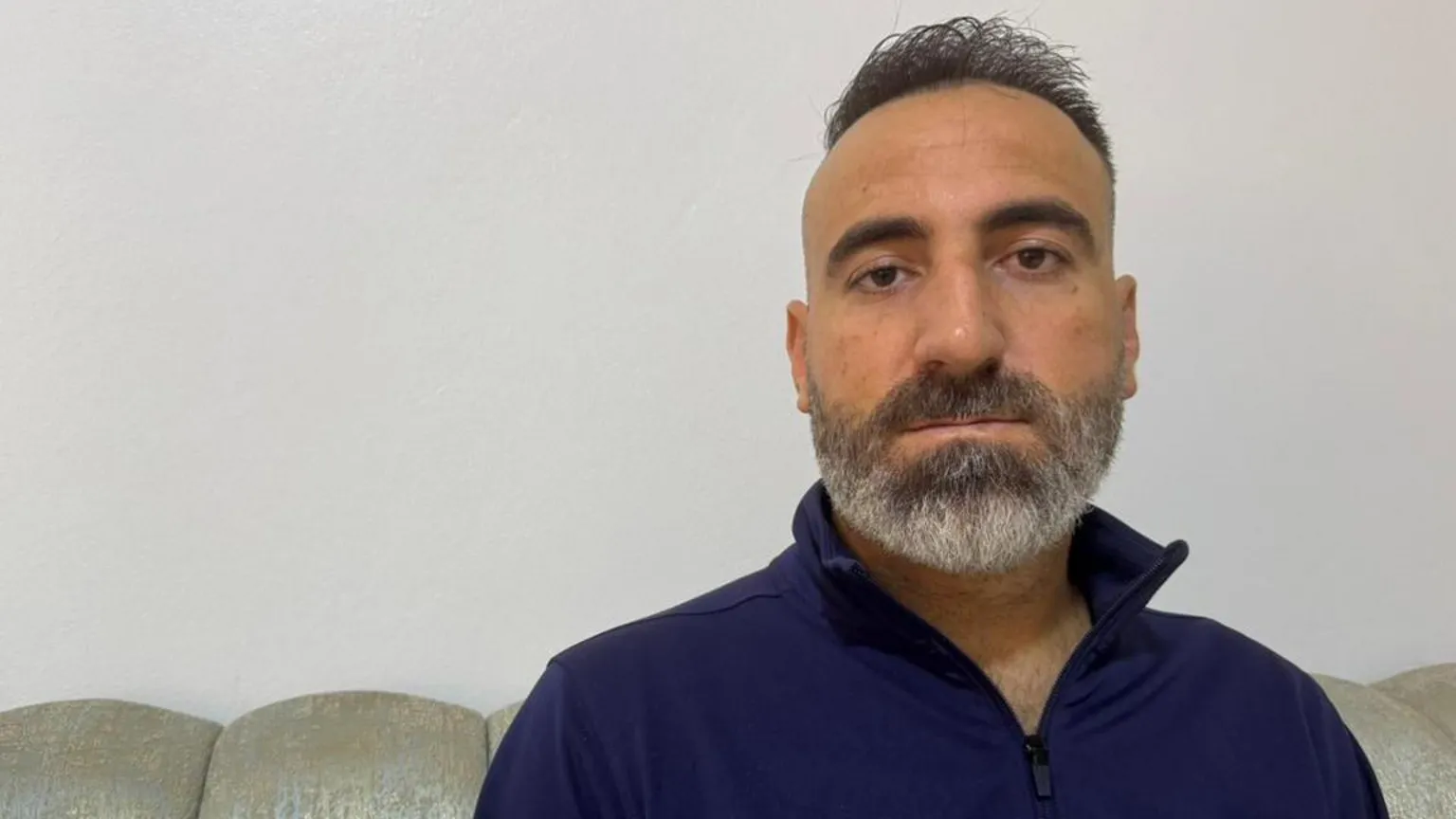
If so, then when will they be brought to justice?” she questioned. Her classmates’ indifference only compounded her distress, with some even ridiculing her ordeal online. “You never really know who to trust,” she mused softly. With no clarity on who the attackers truly supported, one fact stands—many Druze sense Syria leaning towards an exclusionary Sunni-dominated future with little tolerance for minorities like them. “We don’t feel secure with their presence,” shared Hadi Abou Hassoun, a Druze from Suweida who came to Ashrafiyat Sahnaya’s defense during Lama’s ordeal. Hadi’s convoy faced ambush from mortar and drone-equipped assailants, resulting in serious injuries for him.
The situation is far from the inclusive Syria he once envisioned under new governance. “Their motivations are driven by religion, not law or statehood. When hate is at the root of one’s actions, they don’t represent us,” Hadi expressed. “What represents us is the law, which should safeguard everyone… I seek protection under the law.” Despite repeated assertions by the Syrian government emphasizing the unity and sovereignty among all Syrian communities, including the Druze, faith in their protective measures is waning. During the clashes, Israel reportedly conducted airstrikes near Ashrafiyat Sahnaya, claiming they were targeting “operatives” involved in attacking the Druze, pledging to prevent any threats to them.
Additionally, Israel bombed a location near the Syrian presidential palace, vowing to thwart deployments south of Damascus that could endanger the Druze community. Israel itself hosts a significant Druze population, including those within the Israeli-occupied Syrian Golan Heights. Back in Ashrafiyat Sahnaya, Lama al-Hassanieh described the current environment as “more tranquil, yet cautious.” While life seems to return to normal, apprehensive sentiments linger, especially with unfamiliar individuals who arrived during wartime now residing among them. Trust in the government remains shaky. “They claim to prioritize the safety of all Syrians,” Lama remarked. “But where are the concrete actions?
Where’s the justice?” she implored. “I refuse to be labeled a minority. We’re Syrians, asking for equal rights and accountability for those who wronged us.”