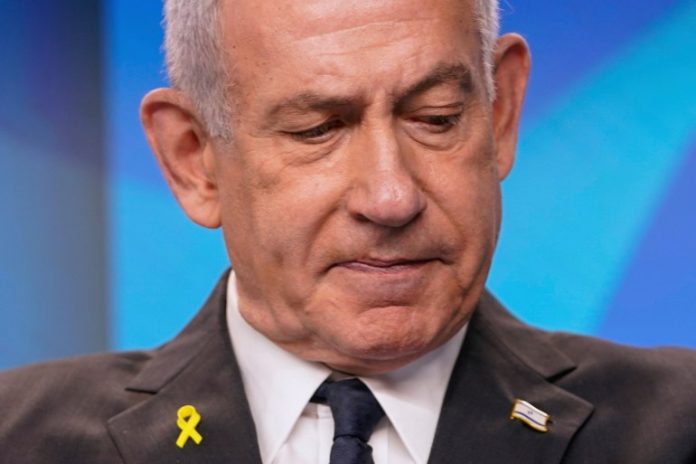
A ceasefire deal ratified by the Israeli government on January 17, 2025, marks a significant moment in the ongoing conflict in Gaza, which has resulted in the deaths of over 67,000 Palestinians in the past two years. This agreement, which includes the exchange of 33 Israeli hostages for hundreds of Palestinians held in Israeli prisons, comes amidst intense scrutiny of Prime Minister Benjamin Netanyahu’s leadership and the future of his government. The ceasefire is set to last for an initial 42 days, with key questions remaining about the identities and conditions of the hostages to be released. The Israeli government has faced substantial internal dissent, particularly from far-right coalition members like Itamar Ben-Gvir and Bezalel Smotrich, who have expressed opposition to the ceasefire.
Ben-Gvir even threatened to resign if the deal was ratified, highlighting the fragile nature of Netanyahu’s coalition. Despite Netanyahu’s attempts to frame the ceasefire as a victory, critics, including former Israeli ambassador Alon Pinkas, suggest it was largely influenced by external pressures, particularly from the United States. Observers note that the Biden administration’s patience has been waning due to the humanitarian crisis in Gaza and the financial costs associated with the prolonged conflict. The U.S. remains Israel’s primary economic and military supporter, and Netanyahu’s relationship with former President Donald Trump has reportedly soured over various issues, including Netanyahu’s early congratulations to President Biden after the 2020 election.
The backdrop of this ceasefire is a growing sense of international isolation for Israel. Netanyahu’s vision of a “Super Sparta”—a militaristic state focused on continuous warfare—has not resonated well domestically, leading to a sharp decline in the Israeli stock exchange and the shekel’s value. The Israel Business Forum, representing major companies, publicly rejected Netanyahu’s vision, stating, “We are not Sparta.” This sentiment reflects broader concerns about the direction of Israel’s economy and international standing. In addition to these political challenges, Netanyahu faces significant legal troubles.

The International Criminal Court (ICC) issued arrest warrants for him and former Defense Minister Yoav Gallant in November 2024, relating to war crimes. The International Court of Justice (ICJ) is also considering genocide charges against Israel, with a potential verdict not expected until at least 2027. If found guilty, the ICC could impose lengthy prison sentences, while the ICJ would likely refer any ruling to the UN Security Council for enforcement. As the ceasefire takes effect, aid efforts are ramping up, with reports indicating that up to 600 trucks per day may enter Gaza to address the humanitarian crisis.
However, the United Nations has cautioned that this level of aid would only be a starting point in alleviating the dire conditions faced by civilians in the enclave. The ongoing violence, even in the lead-up to the ceasefire, has left many in Gaza vulnerable, with at least 122 killed and hundreds injured shortly before the agreement was announced. The coming weeks will be critical for Netanyahu as he navigates these complex challenges. The ceasefire may provide a temporary reprieve, but the underlying issues—both domestically and internationally—remain unresolved.

With elections looming in November 2024, how Netanyahu responds to these pressures will be pivotal in determining his political future and that of his government. The ceasefire and its aftermath will not only impact the immediate humanitarian situation in Gaza but also shape the broader geopolitical landscape of the Middle East, as regional and global powers watch closely to see how Israel adapts to its changing circumstances.