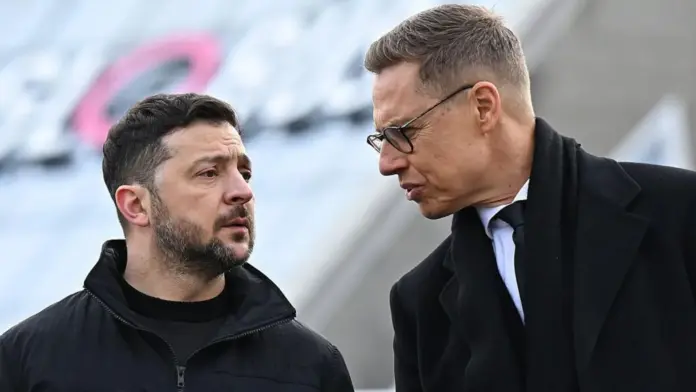
Eu Ukraine Peace Talks — European foreign ministers convened in Cyprus on Wednesday for a two-day informal summit aimed at charting a path toward EU-led mediation in the Russia-Ukraine war, as Washington’s diplomatic momentum collapses and Kyiv reels from a devastating weekend assault.
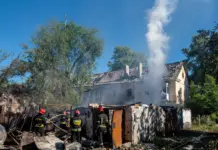
The gathering comes at a moment of acute urgency. Over the weekend, Russian forces launched one of the most intense combined missile and drone attacks on Kyiv since the full-scale invasion began in 2022. Moscow has since threatened ‘systematic strikes’ on the Ukrainian capital and warned foreign nationals to leave the city — a stark escalation in rhetoric that has sharpened European anxieties about the trajectory of the conflict.
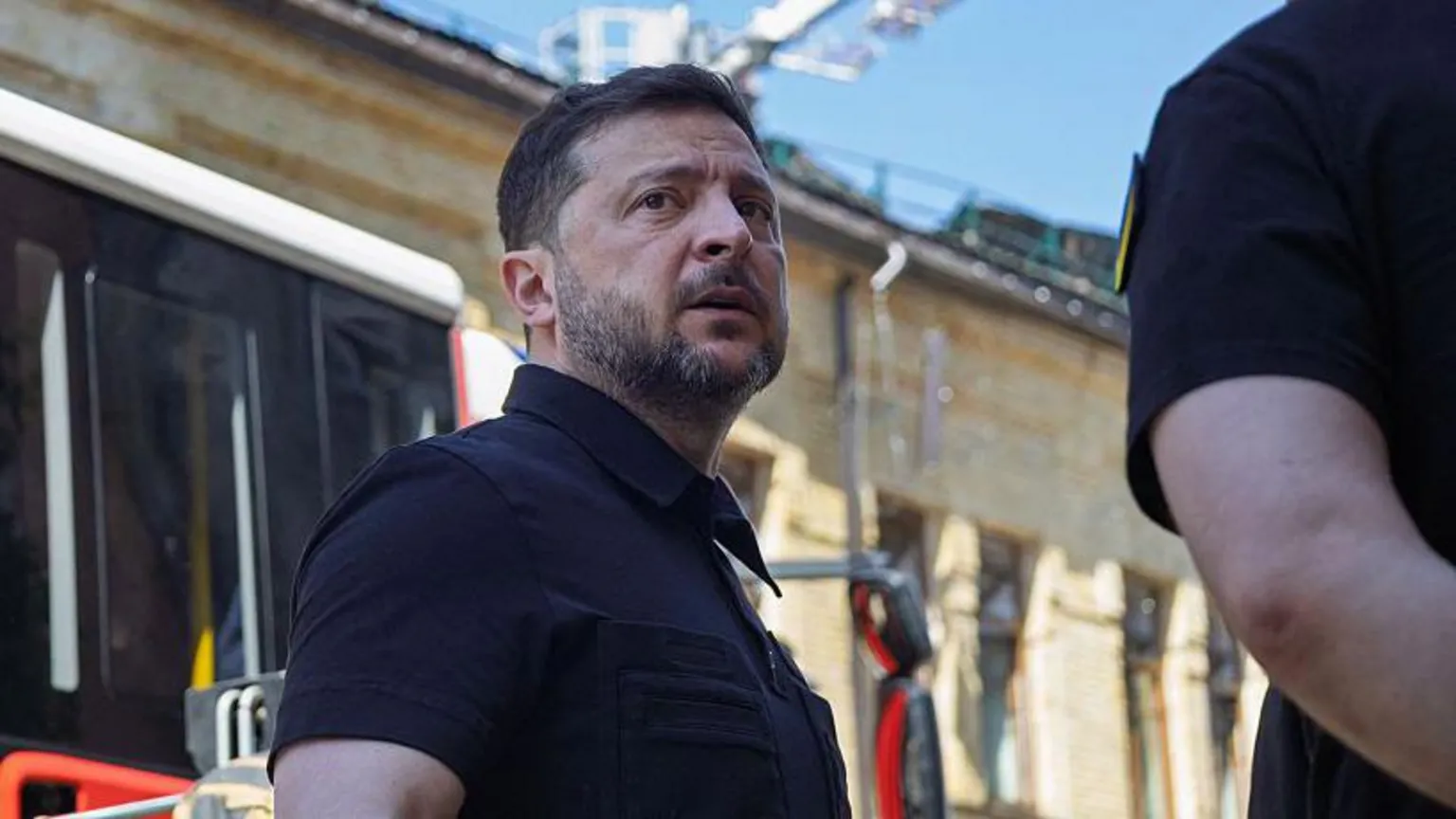
Ukrainian Foreign Minister Andrii Sybiha has made clear that Kyiv is no longer content to wait on Washington. Speaking publicly ahead of the Cyprus summit, Sybiha said Ukraine wants to introduce ‘new dynamics’ into the negotiation process and is actively pushing to break what he described as a deadlock. Ukrainian MP Ehor Chernev, a member of the ruling Servants of the People party, was blunter still, stating there are ‘no signals that Russia wants to end this war.’
Recommended Reading
The urgency is compounded by the near-total stalling of American mediation. President Donald Trump‘s envoys have drawn criticism for applying disproportionate pressure on Kyiv rather than Moscow, with diplomatic observers describing their approach as ‘deeply unchallenging’ toward the Kremlin. Secretary of State Marco Rubio has signalled Washington’s impatience, saying the United States has no interest in hosting what he called ‘an endless cycle of meetings that lead to nothing.’
Into that vacuum, the EU is now considering whether to appoint its own special envoy to engage directly with Moscow. The names circulating are significant: former German Chancellor Angela Merkel and former Italian Prime Minister Mario Draghi have both been mentioned as potential candidates. Finnish President Alexander Stubb said he ‘probably couldn’t answer in the negative’ if asked to take on the role — though he attached a firm condition, insisting any mediation effort must follow a Russian agreement to a ceasefire.
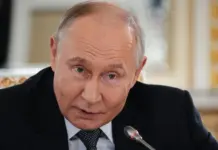
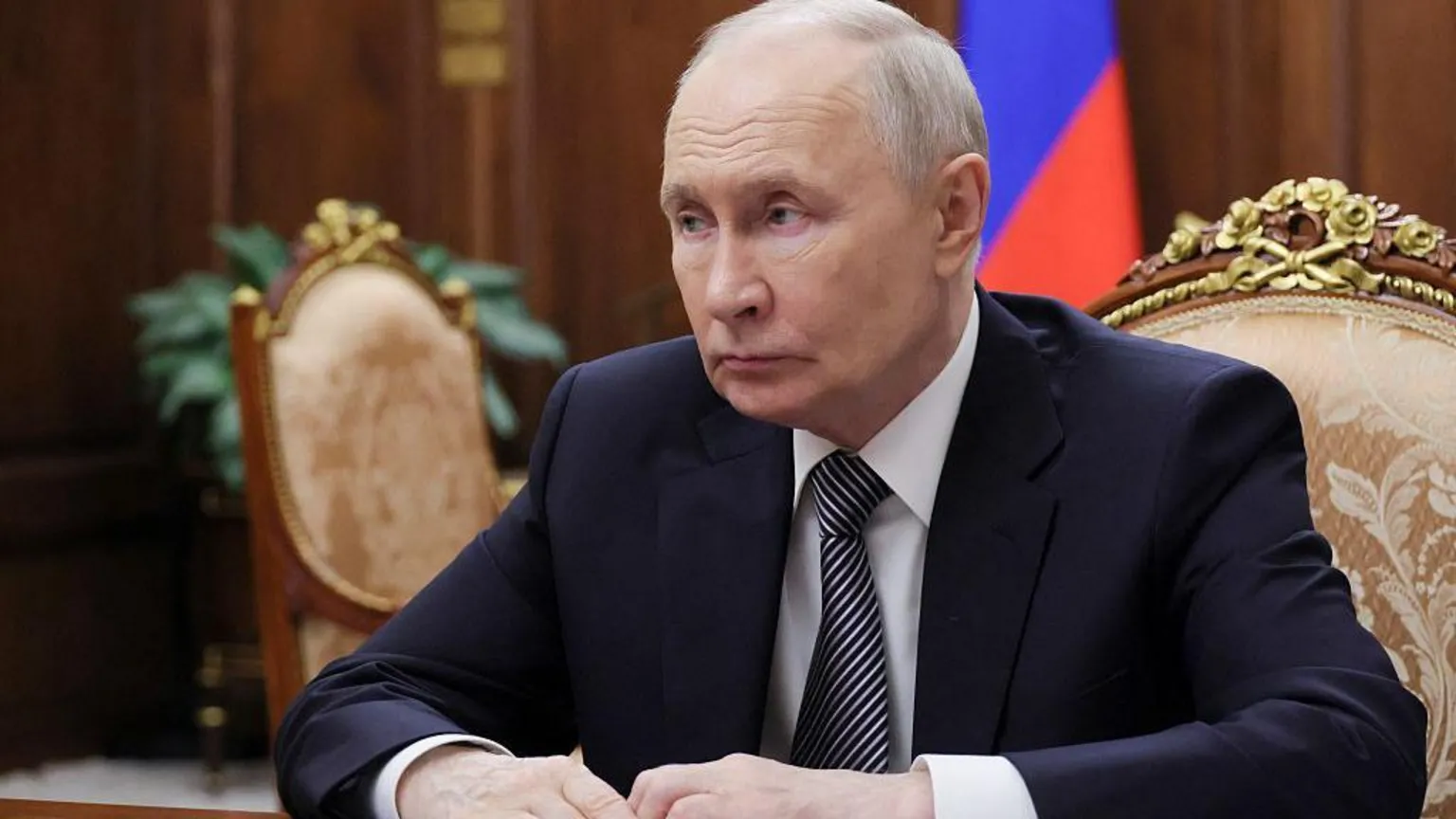
The envoy question has already generated friction. Vladimir Putin claimed openness to an EU mediator, provided the individual had not made ‘nasty things’ about Russia — a caveat that would disqualify most senior European figures. He went further, suggesting former German Chancellor Gerhard Schröder, a longtime associate of the Kremlin, as a suitable candidate. EU foreign policy chief Kaja Kallas flatly rejected the proposal, arguing Schröder would effectively be ‘sitting on both sides of the table.’
Russia has also accused the EU of undermining American peace efforts by continuing to arm Ukraine, a charge European officials have dismissed. Kallas circulated a set of starting points for discussion in March, described internally as ‘food for thought,’ but substantive decisions on appointing an envoy are expected to be deferred to EU leaders, potentially at their summit scheduled for next month.
Eu Ukraine Peace Talks: The Wider European Impact
The bloc is far from unified on strategy. Sweden and Lithuania argue that Russia is under mounting pressure and that now is the time to intensify that pressure rather than ease it. Italy, by contrast, has argued it is no longer wise for Europe to remain on the sidelines, pushing for more active engagement. The divergence reflects a broader tension between those who see diplomacy as premature and those who fear the window for a negotiated outcome is narrowing.
Analysts are sceptical that engagement alone will yield results. Yaroslav Smovzh of the Adastra think tank warned that any EU outreach to Moscow is ‘doomed’ unless it proceeds from a position of genuine strength. Ukraine, for its part, has been conducting repeated deep strikes on Russian oil export infrastructure, framing the campaign as ‘long-range sanctions’ — a signal that Kyiv intends to maintain military leverage even as it seeks a diplomatic opening.
The Cyprus meeting will not produce binding decisions, but it represents the most serious European effort yet to define the bloc’s role in ending a war now entering its fourth year. Whether that effort translates into a credible mediation framework — or dissolves into the same diplomatic inertia that has characterised the conflict — may depend on whether European leaders can reconcile their competing instincts before the situation on the ground deteriorates further.