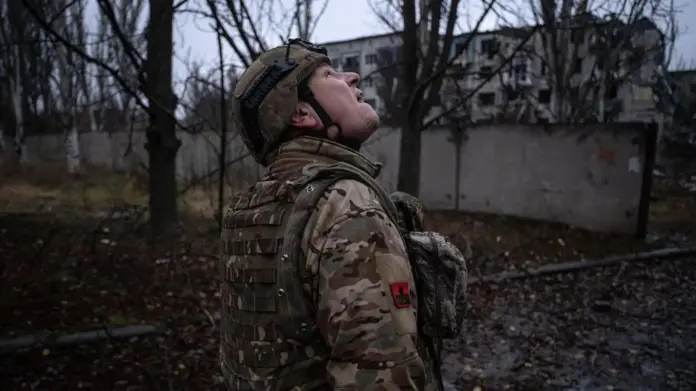
Donbas Front-Line Conditions — For 225 days, a Ukrainian infantryman known by his call sign Kenya occupied a front-line foxhole in eastern Ukraine — a stretch of time that ended only when he spent two full days navigating 11 kilometres of mine-strewn, drone-patrolled terrain on foot to reach his brigade. His ordeal offers a rare and visceral window into the grinding war of attrition now defining the battle for the Donbas.
The area surrounding Kostyantynivka has become one of the most dangerous flashpoints along Ukraine’s entire front line. Ukrainian military officials have acknowledged that Russian forces have reached the city’s outskirts, placing enormous pressure on Ukraine’s 93rd Brigade, which holds responsibility for defending Kostyantynivka and the surrounding towns and villages. The strategic stakes could not be higher: if the city falls, Russian forces would gain the ability to advance on Kramatorsk and Sloviansk simultaneously from the north, east, and south — a potential collapse of Ukraine’s defensive architecture across the region.
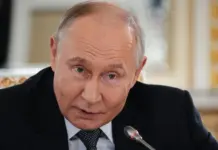
Vladimir Putin has identified the capture of the Donbas as Russia’s foremost military priority. Ukrainian intelligence assessments indicate he is pushing to achieve that goal within the current year. President Volodymyr Zelensky has warned publicly that the Kremlin is preparing another large-scale offensive for the summer, a concern reinforced by Ukrainian military reports of Russian forces regrouping along the front.
Recommended Reading
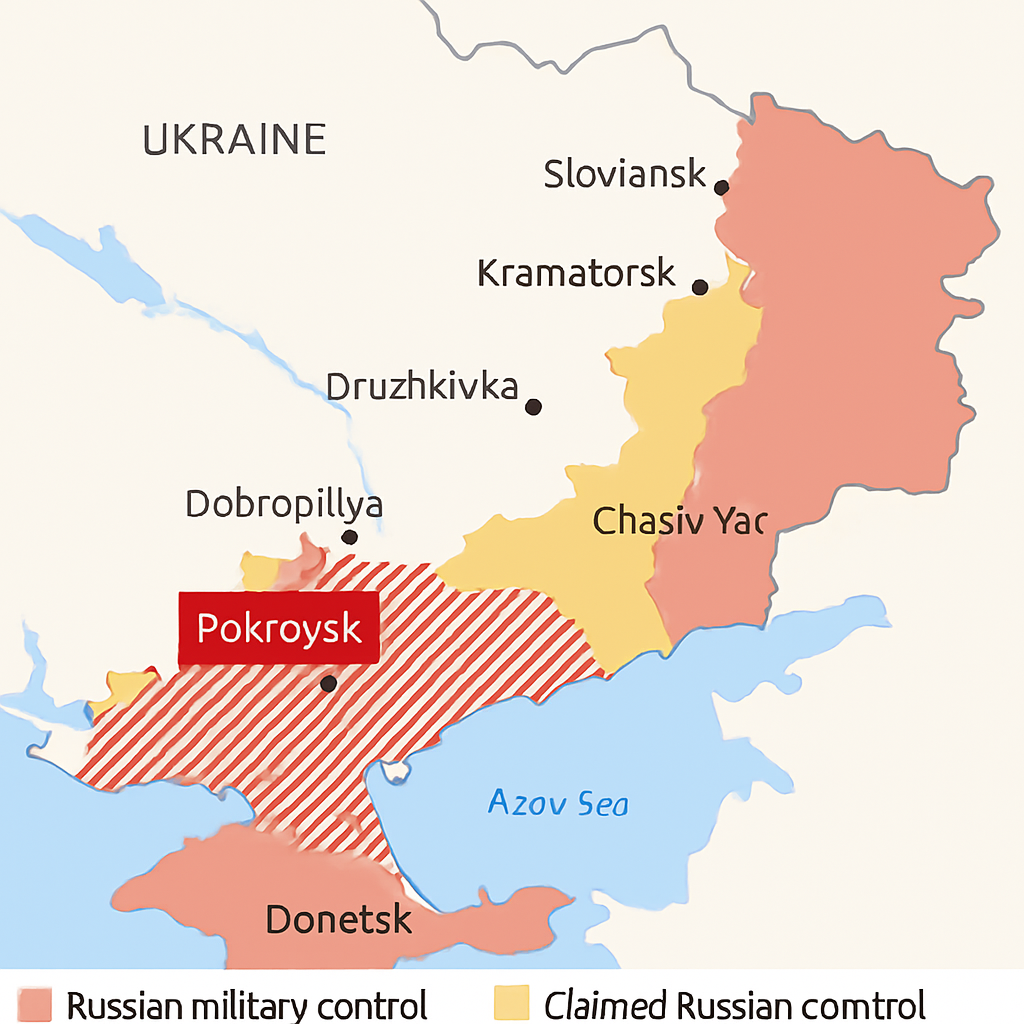
Yet the pace of Russian advances has slowed considerably. Moscow captured roughly half as much territory in the Donbas in April as it did in March, and only one-sixth of what it seized in December 2024, according to data from the Ukrainian open-source monitoring platform DeepState. The Institute for the Study of War reported that Russia lost more ground in Ukraine last month than it gained — a notable reversal, even if temporary. Ukraine has simultaneously intensified strikes on Russian military logistics and supply corridors in an effort to degrade the momentum of any coming push.
On the ground, the nature of combat has been transformed by drone warfare. Assaults frequently involve just two or three soldiers crossing open fields on foot, or moving on motorbikes, bicycles, or even horses. A vast desolate corridor along the front — known among troops as the ‘kill-zone’ — is dominated entirely by aerial drones. Anti-drone thermal cloaks, which soldiers rely on for concealment, provide protection for no more than 20 minutes before losing effectiveness.
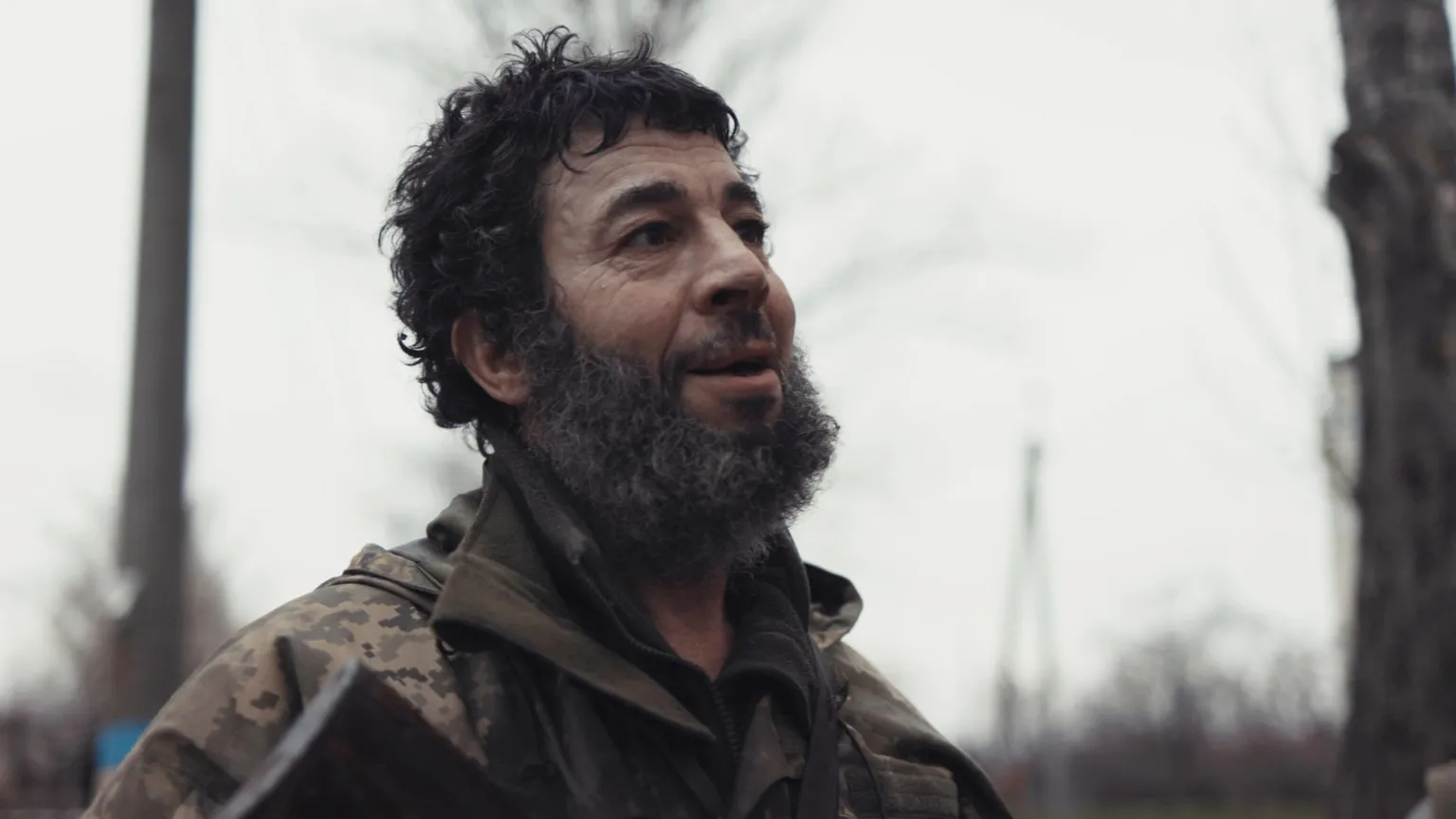
All conventional supply routes through the kill-zone have been severed. Food and ammunition must be delivered by drone, a method that is both unreliable and frequently defeated by jamming or interception. Soldiers identified water as the single resource they lacked most acutely. Winter conditions compounded the suffering — temperatures fell to -25 degrees Celsius, and at least one soldier’s partner died of hypothermia after falling ill at the front.
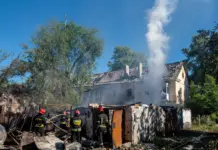
The account of Khani, a Palestinian student who came to Ukraine in the 1990s and spent 122 days at a front-line position, illustrates the ingenuity required simply to survive. His post was located in the basement of a two-storey house that was eventually destroyed by Russian drones and artillery. At one point, a Russian drone equipped with fibre-optic cables attempted to enter the basement; Khani shot at the cable reel, severing the drone’s connection to its operator. When two Russian soldiers subsequently stormed the position after detonating anti-tank mines at the entrance, Khani and his comrades escaped through a hidden exit they had dug in advance.
Donbas Front-Line Conditions: The Wider European Impact
Another soldier, Granata, spent 110 days at the front before recently rotating out. During that time, a fellow soldier in his unit was badly wounded when Russian forces deployed an explosive device containing gas — a tactic reflecting the increasingly inventive and lethal methods being employed along the line.
Ukraine has stepped up attacks on Russian military logistics in an effort to blunt the anticipated summer push. Whether those efforts, combined with the apparent slowdown in Russian territorial gains, will be sufficient to hold Kostyantynivka remains deeply uncertain. The city’s fate may well determine the broader trajectory of the war in the Donbas — a region Putin has staked his strategic ambitions on capturing, and that Ukraine’s exhausted but resilient defenders are paying an extraordinary price to hold.